

Orșova Shipyard signs three foreign contracts worth over €13 million
 Romania
26.06.2026
Romania
26.06.2026
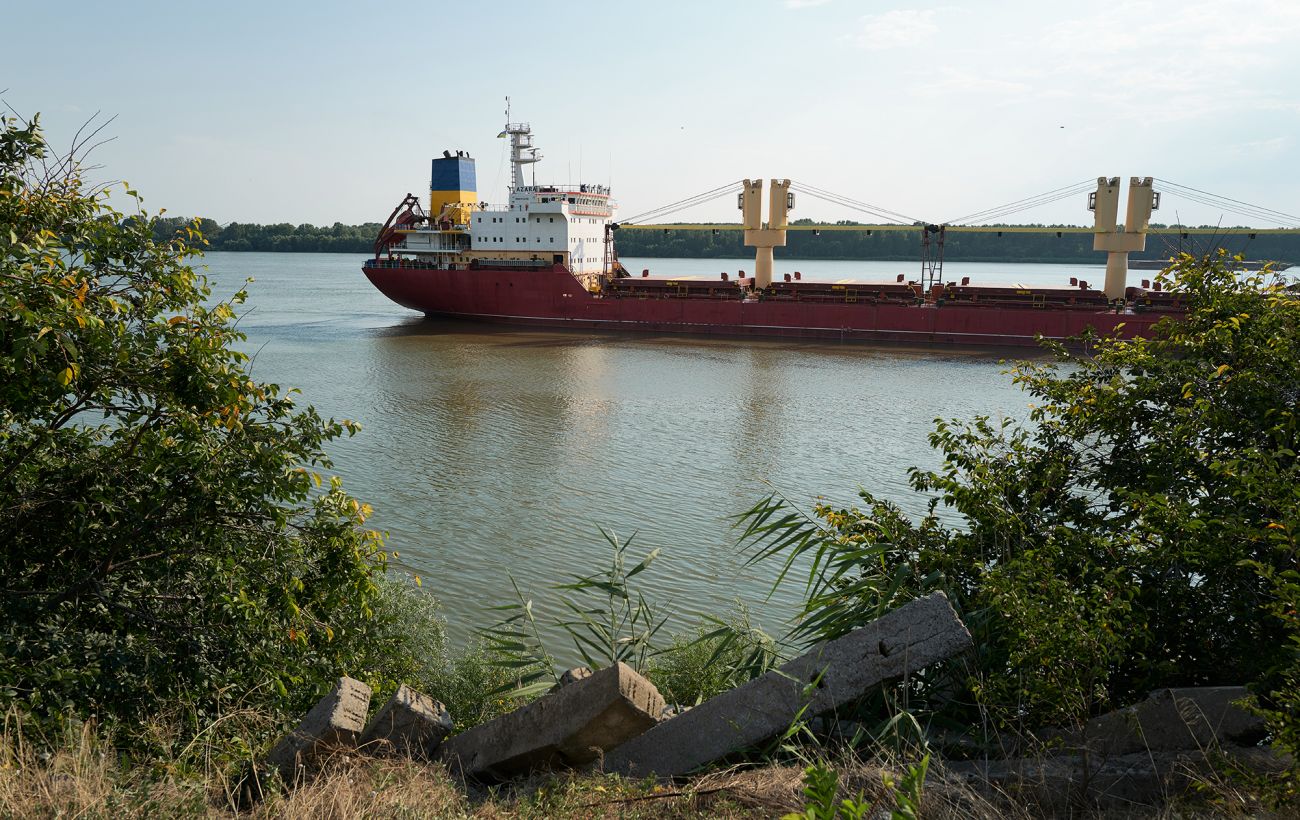
Romania’s Orșova Shipyard has signed three foreign contracts with a total value of more than €13 million for the construction of three river vessels. The information was submitted by the company to the Bucharest Stock Exchange and reported by Agerpres.
According to the report, the company concluded three commercial contracts involving intra-Community supply. The contracts concern the construction of three river vessels.
“Orșova Shipyard informs shareholders and all interested parties that the company has signed three foreign contracts for the construction of three river vessels. The nature of the signed documents: commercial contracts with intra-Community supply,” the statement says.
The total value of the contracts is €13,095,000. Delivery of the vessels is scheduled for 2029.
The financial terms provide for an advance payment based on a bank guarantee for the return of the advance, with the remaining amount to be paid after delivery of the vessels.
Information about the buyer has not been disclosed, as it is protected by a confidentiality clause.
Comment by the Institute of Danube Research
The signing of three foreign contracts by Orșova Shipyard for the construction of river vessels is an important signal for the Danube shipbuilding and logistics market. This is not only a separate production order, but also evidence of continued demand for river fleet capacity in the medium term.
For the Danube region, this has particular significance. Amid the growing role of inland waterways, the overloading of road and railway infrastructure, and the need for more environmentally sustainable modes of transport, river vessels remain an essential element of freight logistics.
Contracts with delivery scheduled for 2029 indicate a long investment horizon in the sector. This means that market participants expect continued demand for inland waterway transport, particularly on the Danube, despite current security, economic and infrastructure risks.
For Ukraine, this example is also important. Since 2022, Danube ports have become a critical part of export logistics. However, the efficiency of this route depends not only on port infrastructure, but also on the availability of a modern fleet, service facilities, repair capacities and cooperation with shipbuilding enterprises in the Danube basin countries.
Romania’s experience demonstrates that the development of Danube logistics should be viewed comprehensively: as a combination of ports, navigation, shipbuilding, fleet repair and investment in inland waterways. This model can ensure the long-term competitiveness of the Danube transport corridor.
For Ukraine, a promising direction is the deepening of industrial and logistics cooperation with Romanian enterprises, particularly in the construction, modernisation and maintenance of river fleets. This could become one of the practical elements of Ukraine’s broader integration into the European transport system.

 Bulgaria
 Hungary

 Ukraine
 Moldova
 Serbia

 Danube