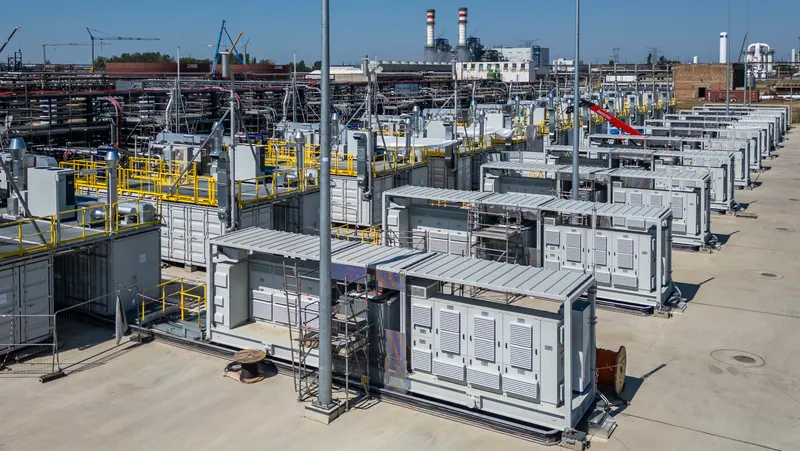


Paks Nuclear Power Plant increases output as Danube water temperature falls
 Hungary
06.07.2026
Hungary
06.07.2026
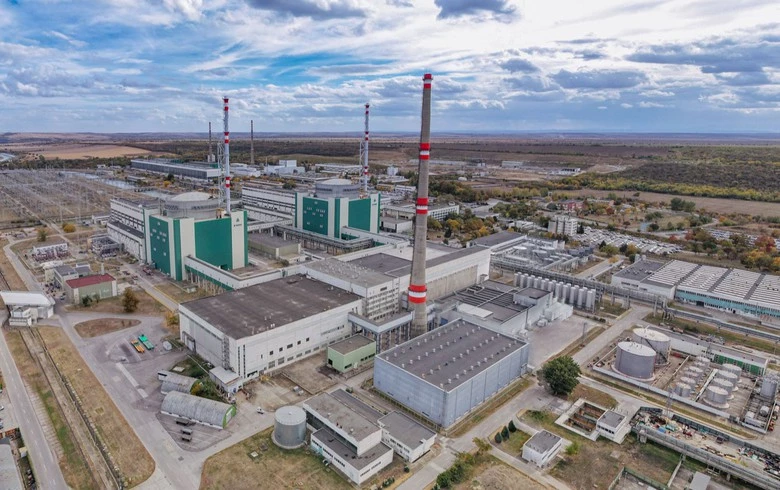
Hungary’s Paks Nuclear Power Plant has begun gradually increasing its output after the temperature of the Danube water used to cool its reactors decreased. Earlier, due to the recent heatwave in Europe, the plant had to reduce its capacity in several stages in coordination with Hungary’s electricity transmission system operator, MAVIR.
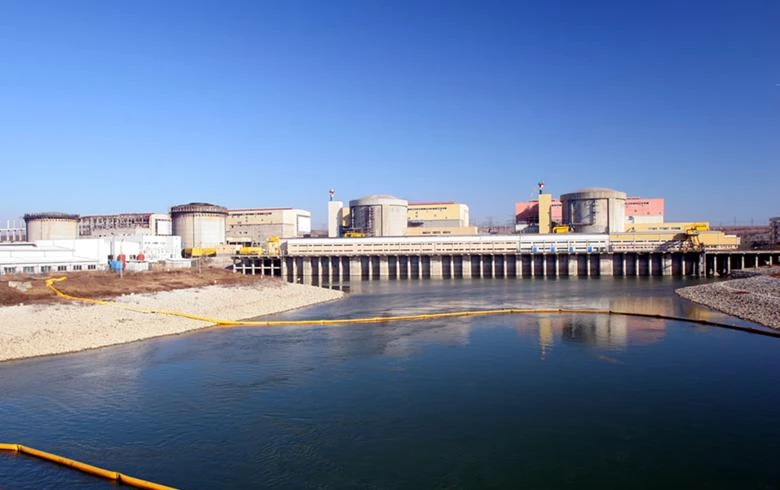
The Paks Nuclear Power Plant has a nominal capacity of 2,000 MW and is a key element of Hungary’s energy system. Its operation is directly dependent on the thermal regime of the Danube, as river water is used to cool the power units before being returned to the natural environment.
Under current environmental regulations, the temperature of the Danube water within 500 metres of the cooling water discharge point must not exceed 30°C. In exceptional cases, for reasons of energy supply security and with the approval of the responsible minister, this threshold may be increased to 31.5°C.
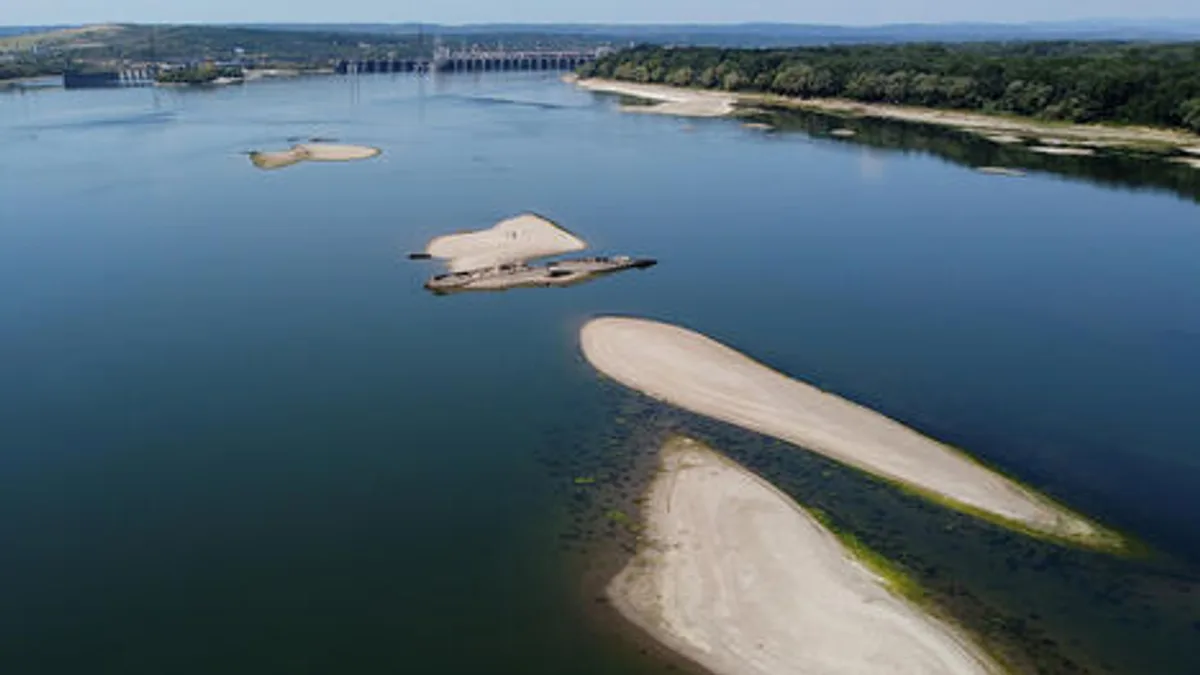
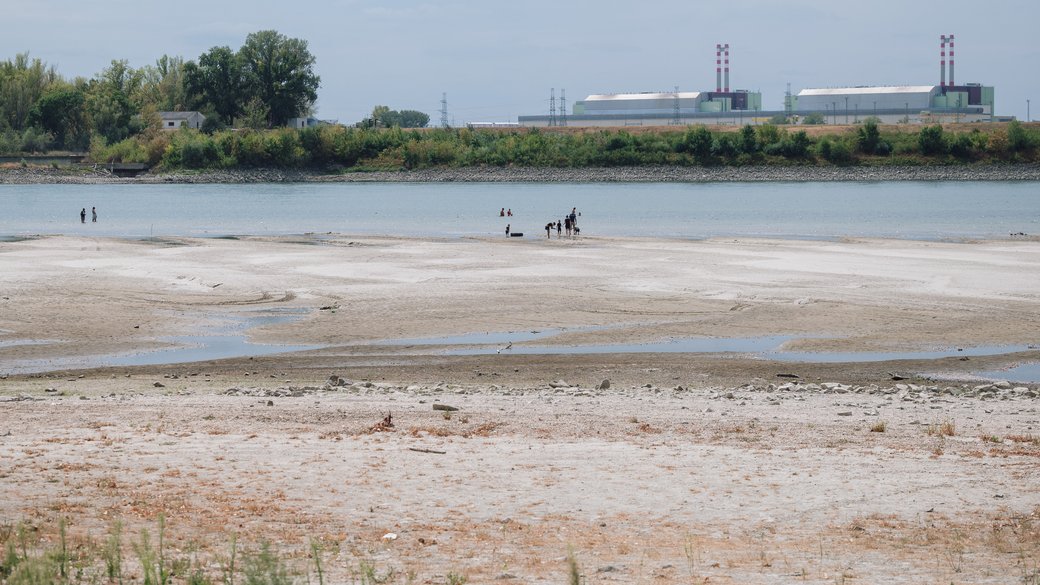
During the recent heatwave, river water temperatures reached critically high levels, forcing the plant to limit electricity generation. The Hungarian government stated that the country’s energy supply remained safe and uninterrupted, while the temperature of the Danube water was being continuously monitored. According to official reports, no threat to the aquatic ecosystem was recorded.
Improved weather conditions, including lower air temperatures, rain and thunderstorms, contributed to the cooling of the Danube water. This allowed the Paks Nuclear Power Plant to begin restoring its output after the forced restrictions.
Comment by the Institute of Danube Research
The situation around the Paks Nuclear Power Plant demonstrates the growing dependence of energy infrastructure on climatic and hydrological conditions. In this case, the Danube acts not only as a transport or ecological artery, but also as a critical resource for the stable operation of the energy system.
The rise in river water temperatures caused by prolonged heatwaves creates additional risks for nuclear energy, industry and aquatic ecosystems. The reduction of nuclear power plant output due to the thermal regime of the Danube shows that climate adaptation must become an integral part of energy planning in the Danube countries.
For the region, this issue has a strategic dimension. The Danube basin hosts important energy, industrial, transport and environmental facilities that depend on the river’s water regime. Therefore, water temperature monitoring, forecasting of extreme weather events, and coordination of energy and environmental policies should be considered elements of shared regional security.
Hungary’s experience is also an important signal for all Danube basin countries: climate change is already affecting the operation of critical infrastructure. Responding to these challenges requires not only technical solutions at individual facilities, but also stronger cross-border coordination in water resource management, energy resilience and protection of Danube ecosystems.

 Bulgaria
 Romania
 Ukraine
 Moldova
 Serbia

 Danube