

Poland and Romania Do Not Plan to Increase Transit of Ukrainian Grain: The Role of Moldova and the Danube Is Growing
 Romania
05.10.2026
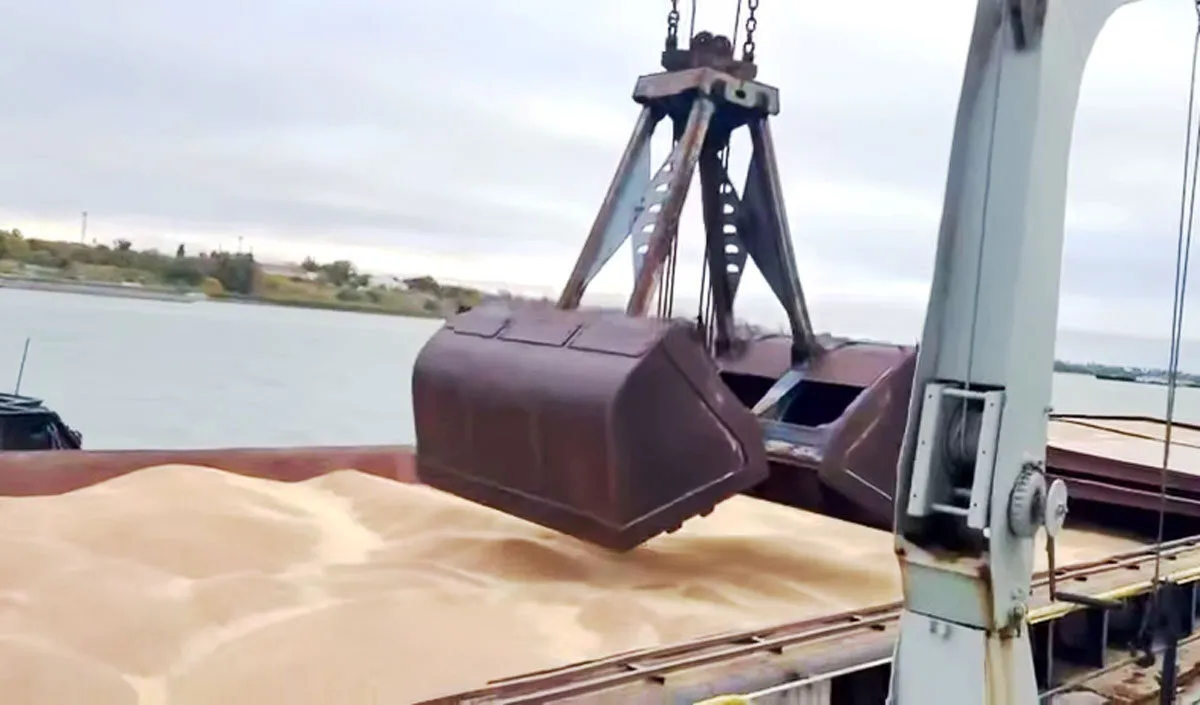
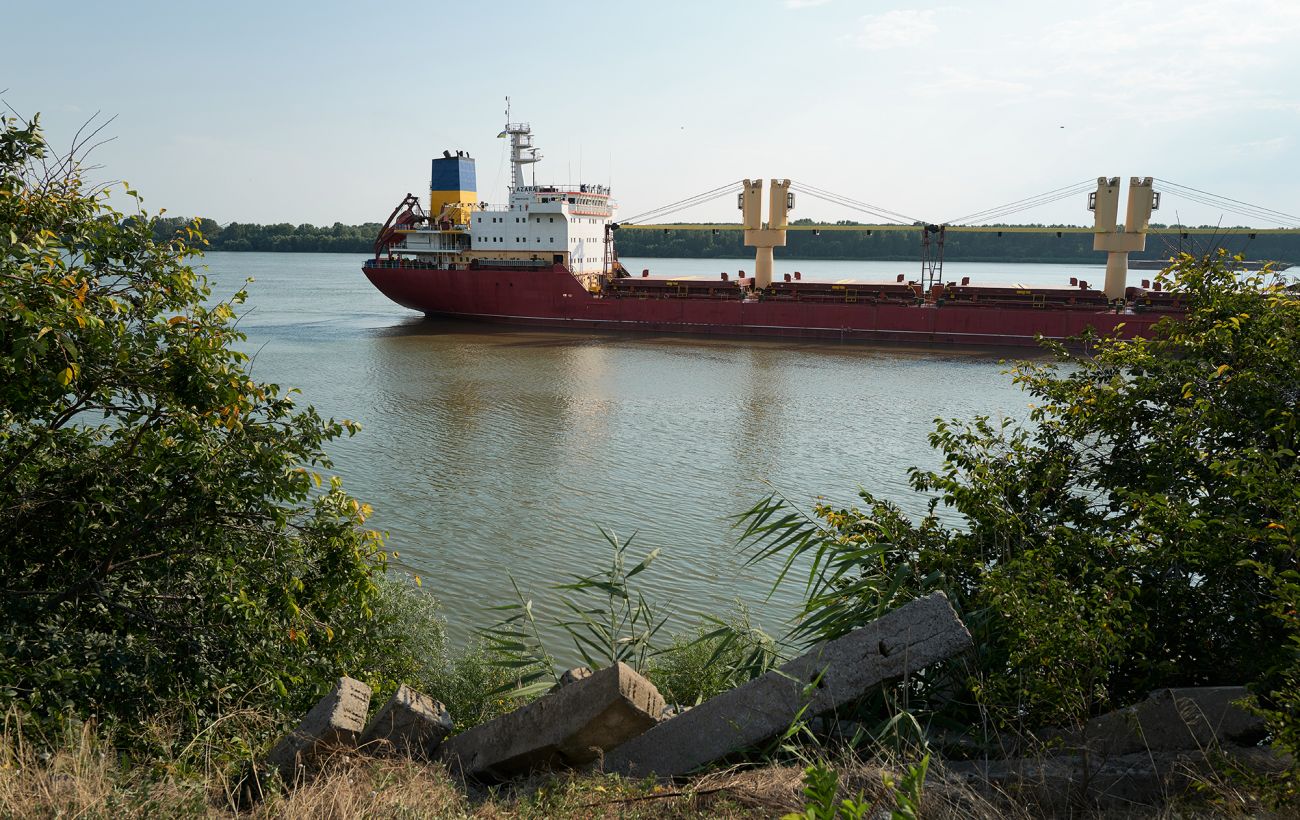
Poland and Romania currently do not plan to further increase the transit of Ukrainian grain and other agricultural products amid continuing problems with exports through the Black Sea.
Ukraine has appealed to European Union countries to expand alternative export routes for agricultural products and to compensate for increased transport costs. Kyiv has warned that prolonged export difficulties could negatively affect the next sowing campaign.
Romania stresses that the interests of local farmers remain a priority, while additional volumes of Ukrainian grain are placing pressure on port and Danube infrastructure. Poland likewise does not plan to significantly increase the transit of Ukrainian agricultural products.
Under these conditions, the role of the Republic of Moldova as a transit country is becoming increasingly important.
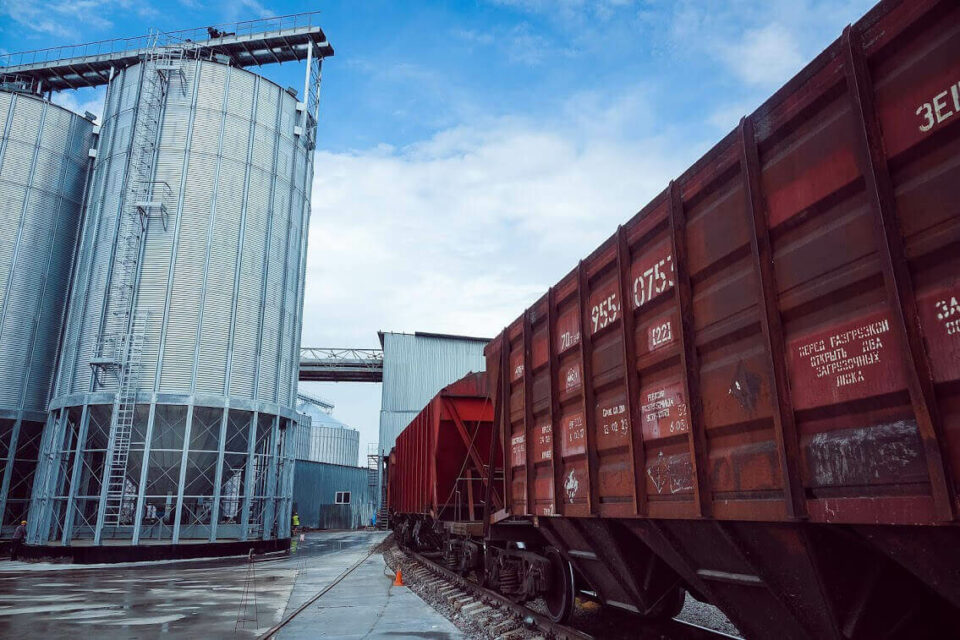
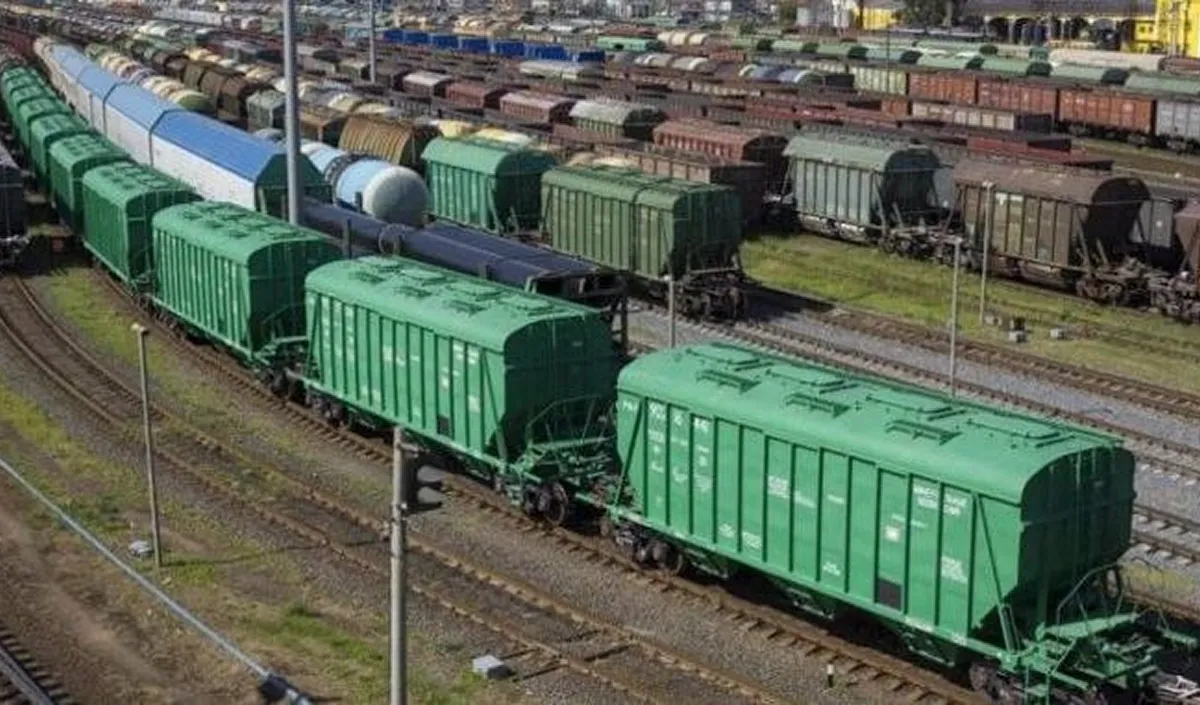
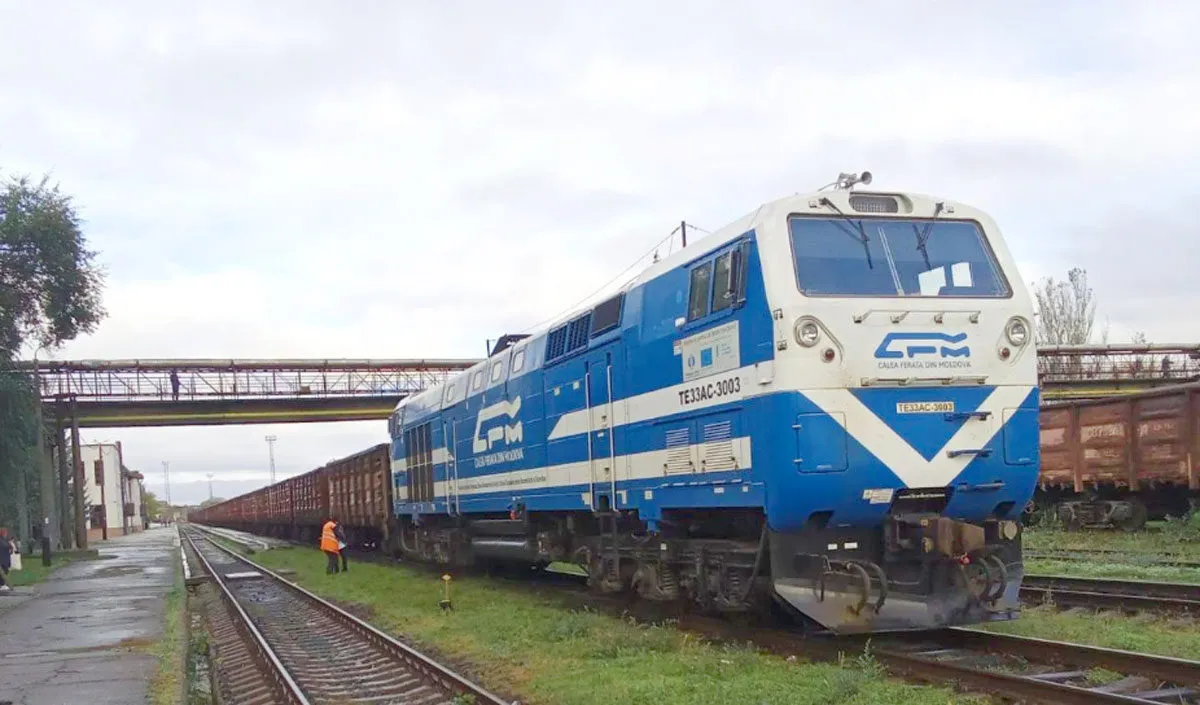
Until the end of 2026, a 50% tariff discount applies to Ukrainian cargo transported by rail through Moldova. The measure is intended to support the development of the route towards the Romanian port of Constanța.
According to available estimates, the potential transit volume through Moldova could reach around 4.5–6 million tonnes per year, or approximately up to 10% of Ukraine’s total exports.
At the same time, alternative rail, road and river routes cannot fully compensate for reduced Black Sea export capacity. Significant volumes of already harvested agricultural products may therefore remain inside Ukraine.
Comment by the Institute of Danube Research
The Institute of Danube Research notes that the current situation increases the strategic importance of Moldova and the Danube route for Ukrainian agricultural exports.
Moldova’s 50% reduction in rail transit tariffs creates additional incentives to redirect part of Ukrainian cargo flows through its territory towards Romania. At the same time, sustainable growth in transit volumes will require further investment in railway, border and transshipment infrastructure.
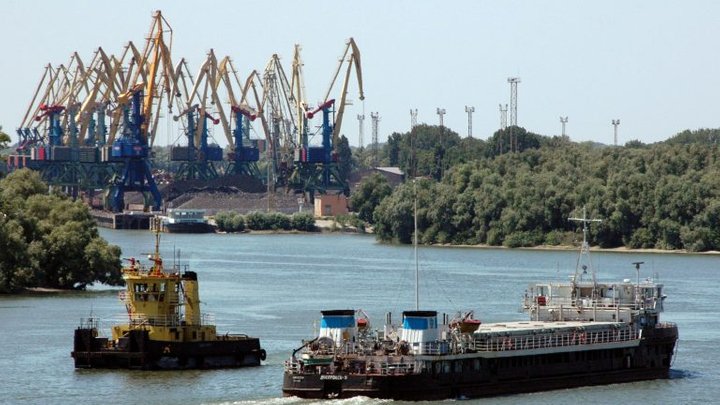
Ukrainian Danube ports and the Romanian port of Constanța continue to play a particularly important role. Their importance is increasing as elements of a single regional transport corridor linking Ukraine, Moldova and Romania.
For Ukraine, the key task is not to find one substitute route, but to build a network of complementary corridors through the Danube, Moldova, Romania and other EU countries.
In practice, Moldova and the Danube are gradually moving from a supporting to a strategic role in the Ukrainian agricultural export system. Their task, however, is to complement the Black Sea route rather than replace it.


 Hungary
 Ukraine


 Moldova


 Bulgaria
 Danube

 Serbia