

Rising Danube Water Levels Allow Paks Nuclear Power Plant to Nearly Restore Full Output of Unit 2
 Hungary
11.08.2026
Hungary
11.08.2026
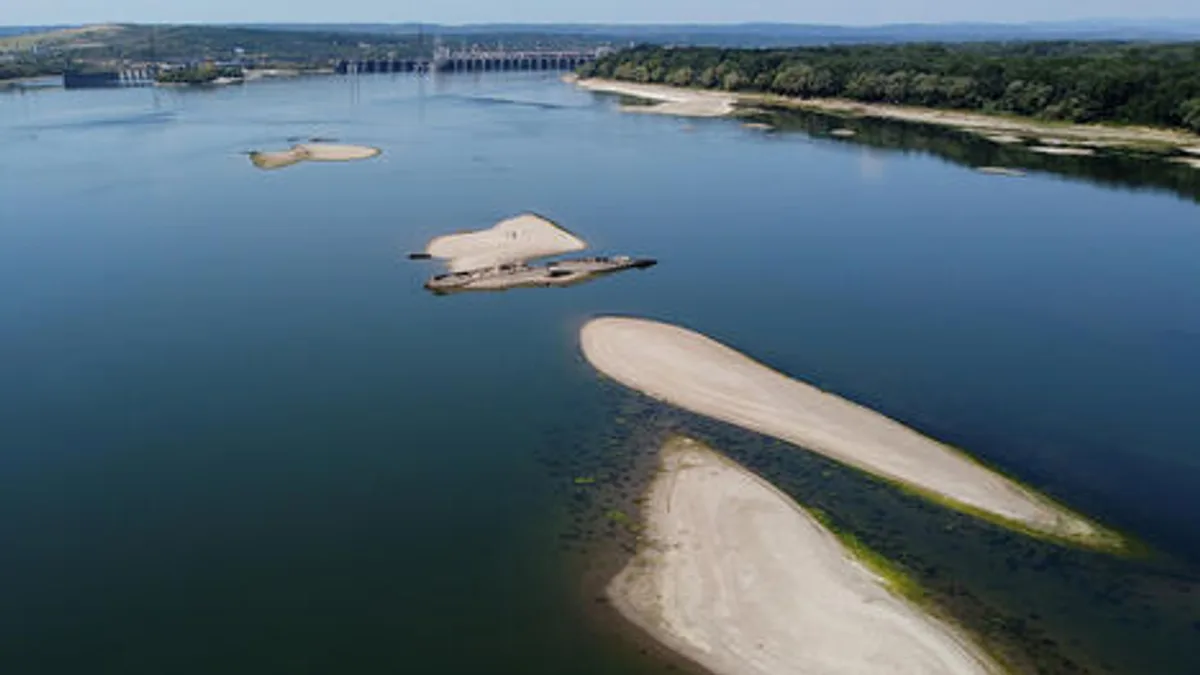
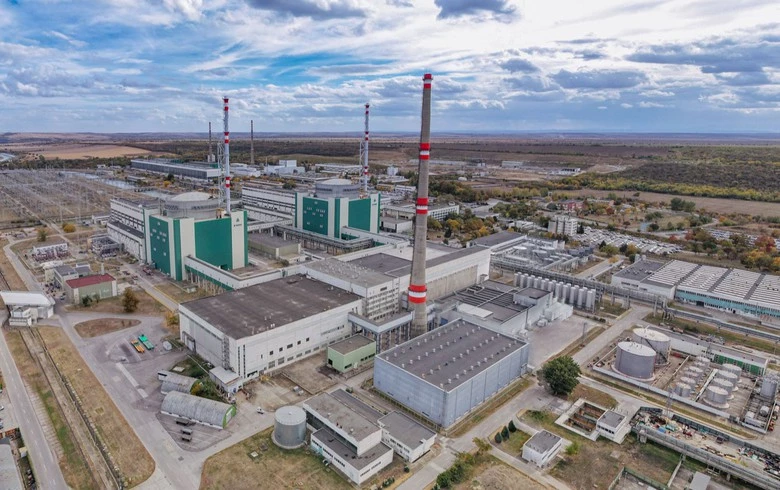
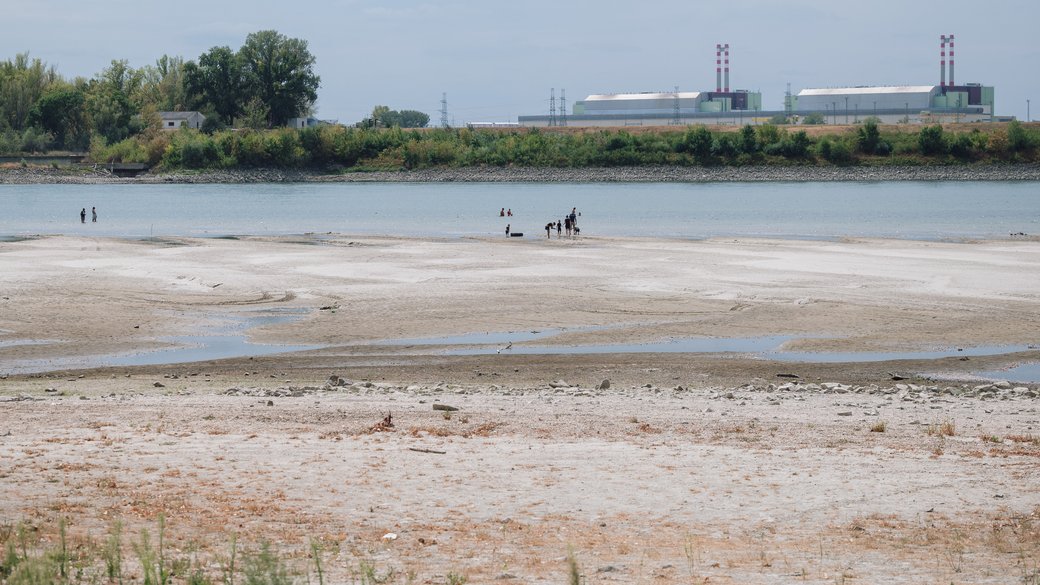
A gradual rise in the Danube water level has allowed Hungary’s Paks Nuclear Power Plant to begin restoring the output of Unit 2, which had been operating at only 50% capacity for eleven days due to exceptionally low river levels.
According to MVM Paksi Atomerőmű, specialists began gradually increasing the power of Unit 2 on 10 August at 18:00. The decision became possible after a moderate rise in the Danube and an improvement in the technical conditions required for the plant’s cooling systems.
Because of the extremely low water levels, Units 1, 3 and 4 had previously been shut down, while Unit 2 continued operating at half of its nominal capacity for eleven days. Plant personnel had also prepared for the possibility of shutting down the remaining generating capacity and switching to a safe reactor cooling mode.
According to international media reports, the Danube level near Paks rose by about 19 centimetres compared with the minimum recorded the previous week. This made it possible to begin reconnecting additional turbine capacity.
The restoration process is being carried out gradually, in several controlled stages, under the continuous supervision of operating personnel, nuclear safety experts and regulatory authorities. The plant operator stresses that stable and safe equipment operation remains the priority rather than maximising generation as quickly as possible.
By the evening of 10 August, the output of Unit 2 had already exceeded 300 MW. By 11 August, the unit was generating close to its nominal capacity of around 500 MW, while the plant’s three other reactor units remained shut down.
Thus, Paks NPP is still operating far below its total installed capacity of approximately 2 GW. Nevertheless, the near-complete restoration of Unit 2 significantly reduces the shortfall in domestic electricity generation and Hungary’s need for additional electricity imports.
From a Few Millimetres to the Recovery of Generation
The Institute of Danube Research previously reported that in early August Paks NPP had effectively come within a few millimetres of a complete halt in electricity generation.
On 4 August, the decline in the Danube water level temporarily stopped and the river rose by only around 1.5 centimetres. This was enough to keep the plant’s final operating turbine in service, which at that time was generating approximately 240 MW. Total nuclear generation had fallen to slightly more than 10% of the plant’s installed capacity.
The current increase in the Danube level has created considerably more favourable operating conditions and has enabled the plant to move from a regime of preserving minimal generation towards the gradual restoration of electricity production.
At the same time, the plant operator stresses that the dry period has not ended. If Danube levels decline again, new restrictions on electricity generation may have to be introduced.
Comment by the Institute of Danube Research
The Institute of Danube Research notes that the situation at Paks NPP clearly demonstrates how closely water security and energy security are interconnected in modern Europe.
“Within just a few days, changes in the hydrological situation on the Danube effectively determined whether Hungary’s largest electricity-generating facility would continue operating at minimum capacity or could begin restoring generation. This is no longer an isolated technical episode, but a manifestation of the systemic dependence of the Danube region’s energy infrastructure on the river’s hydrological regime,” the Institute notes.
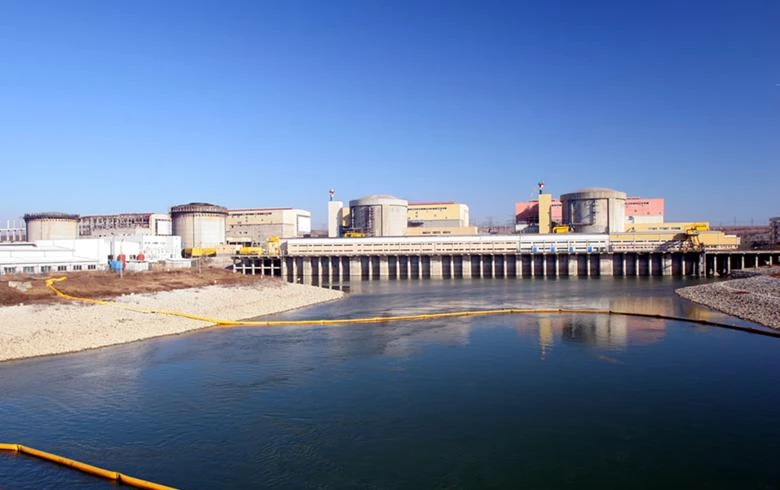
The situation is particularly important because similar problems have emerged further downstream. In Romania, exceptionally low Danube flows have also raised concerns regarding the operation of the Cernavodă Nuclear Power Plant, where the river’s water level directly affects the availability of cooling water.
According to the Institute, the simultaneous difficulties faced by Paks and Cernavodă indicate the emergence of a new type of regional risk in which prolonged drought and extremely low Danube water levels can affect not only navigation, agriculture and water supply, but also the stability of national energy systems.
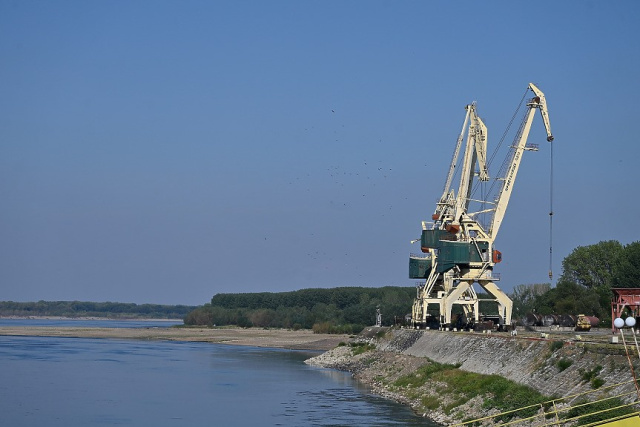
“The Danube is increasingly demonstrating its role as a common European infrastructure system. Its hydrological regime simultaneously affects navigation, ports, agricultural exports, industry and nuclear power generation. Adaptation to prolonged periods of low water must therefore become one of the central priorities of regional policy across the Danube Basin,” the Institute of Danube Research stresses.
The situation at Paks also highlights the need for long-term adaptation of major energy infrastructure to climate change. This includes modernising cooling systems, developing alternative technological solutions, expanding reserve generation and energy storage capacity, and further integrating the electricity systems of Central and Southeast European countries.
The rise in the Danube has provided Hungary with important operational relief. However, the events of recent weeks have demonstrated that the water level of Europe’s major river is increasingly becoming not only an environmental or transport issue, but also a strategic energy challenge for the entire Danube region.

 Bulgaria
 Romania
 Ukraine
 Moldova
 Serbia

 Danube