

RIVERS Project: A New Stage in Restoring Water Infrastructure in Ukraine’s Danube Region
 Ukraine
16.10.2026
Ukraine is preparing for the comprehensive modernization of the Lower Danube water management system. The RIVERS project envisages restoring strategic water infrastructure, developing irrigation systems, and establishing a National Digital State Water Cadastre.
On October 15, 2026, representatives of Ukraine’s relevant ministries discussed practical mechanisms and further steps for implementing the RIVERS project — Restoring Irrigation for Viable Economic Recovery and Sustainable Development in Ukraine.
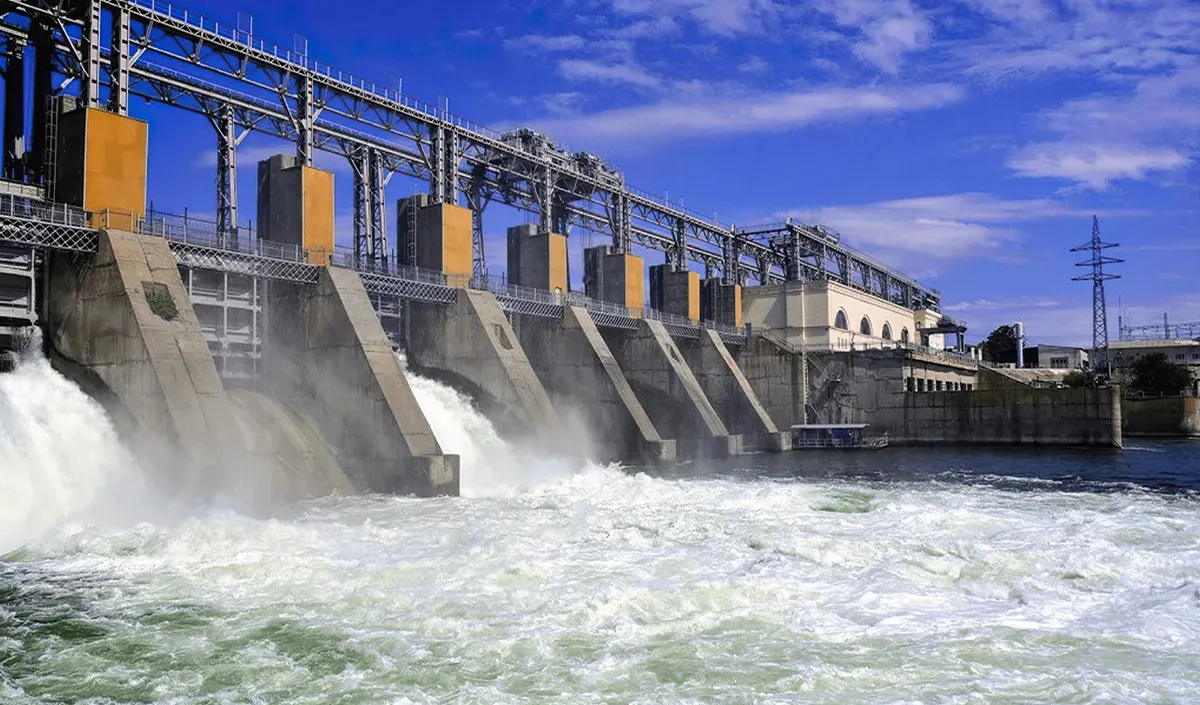
The project includes cleaning and restoring the Katlabuh and Kytai reservoirs, rehabilitating the Kiliia and Kyslytsia branches of the Danube, reconstructing the hydraulic gates of the Danube-region reservoirs, and modernizing water supply canals, pumping stations, and irrigation systems.
A particularly important component is the establishment of the National Digital State Water Cadastre, which will integrate information on surface water and groundwater resources, water quality, abstraction, and consumption. This system is expected to improve water scarcity forecasting, facilitate water balance assessments, and support evidence-based infrastructure investment planning.
The initiative is especially relevant given the challenging hydrological conditions in Ukraine’s Danube region. In 2026, critically low water levels necessitated the artificial replenishment of the Katlabuh and Kytai reservoirs, highlighting the vulnerability of existing water supply infrastructure to prolonged periods of low river flow.
Commentary by the Institute of Danube Research
According to experts from the Institute of Danube Research, the RIVERS project should be regarded not merely as an infrastructure initiative but as a strategic instrument for strengthening water, food, and economic security in Ukraine’s Danube region.
The region’s water management system requires a transition from responding to the consequences of water scarcity towards integrated water resources management based on hydrological monitoring, digital modelling, and long-term climate risk forecasting.
At the same time, restoring water exchange between the Danube and the Danube-region reservoirs must take into account the ecological needs of aquatic ecosystems, seasonal variations in river discharge, and Ukraine’s international obligations concerning transboundary water management.
“For Ukraine’s Danube region, the RIVERS project could become the foundation for the systematic modernization of water management. It is not simply about restoring canals, hydraulic gates, and pumping stations, but about establishing a new water governance model that balances the needs of local communities, agriculture, and natural ecosystems. It is particularly important that the project takes into account the transboundary nature of the Danube, climate change, and the need for coordination with Romania and Moldova,” experts from the Institute of Danube Research emphasize.
The Institute also considers the integration of the future digital cadastre with Danube basin monitoring systems and international hydrological data exchange mechanisms to be a priority.
Following the interministerial meeting, the parties agreed to hold consultations with Ukraine’s Ministry of Finance and the World Bank on financial aspects of the project, designate responsible representatives from the participating authorities, and explore opportunities for independent expert support.
The Institute of Danube Research emphasizes that the success of RIVERS will depend not only on the scale of infrastructure rehabilitation but also on its capacity to ensure long-term water resilience in the Lower Danube, restore aquatic ecosystems, and adapt the economy of Ukraine’s Danube region to climate change.
 Romania

 Hungary

 Moldova

 Bulgaria
 Danube



 Serbia