

Romania and Bulgaria launch €4 million project to improve navigation safety on the Danube
 Romania
24.06.2026
Romania
24.06.2026
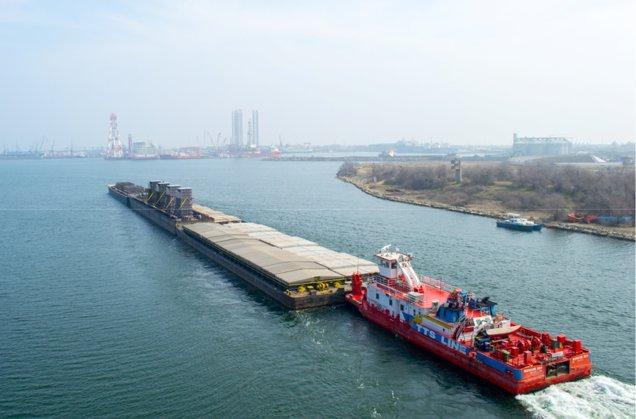
The Romanian Naval Authority and the Bulgarian Executive Agency “Maritime Administration” are launching the DANRISS 2 cross-border project, aimed at improving navigation safety, digitalising inspection procedures and strengthening environmental monitoring on the common Romanian-Bulgarian section of the Danube.
The Institute of Danube Research reports this with reference to AGERPRES.
The total budget of the project is nearly €4 million. It will be implemented under the Interreg VI-A Romania — Bulgaria programme, with an implementation period of 25 months.
The key objective of the initiative is to create a modern digital framework for cross-border cooperation between the competent authorities of Romania and Bulgaria in the field of inland navigation. The project provides for data integration, harmonisation of inspection procedures, the use of artificial intelligence tools for risk assessment, and faster response to potential navigation and environmental incidents.
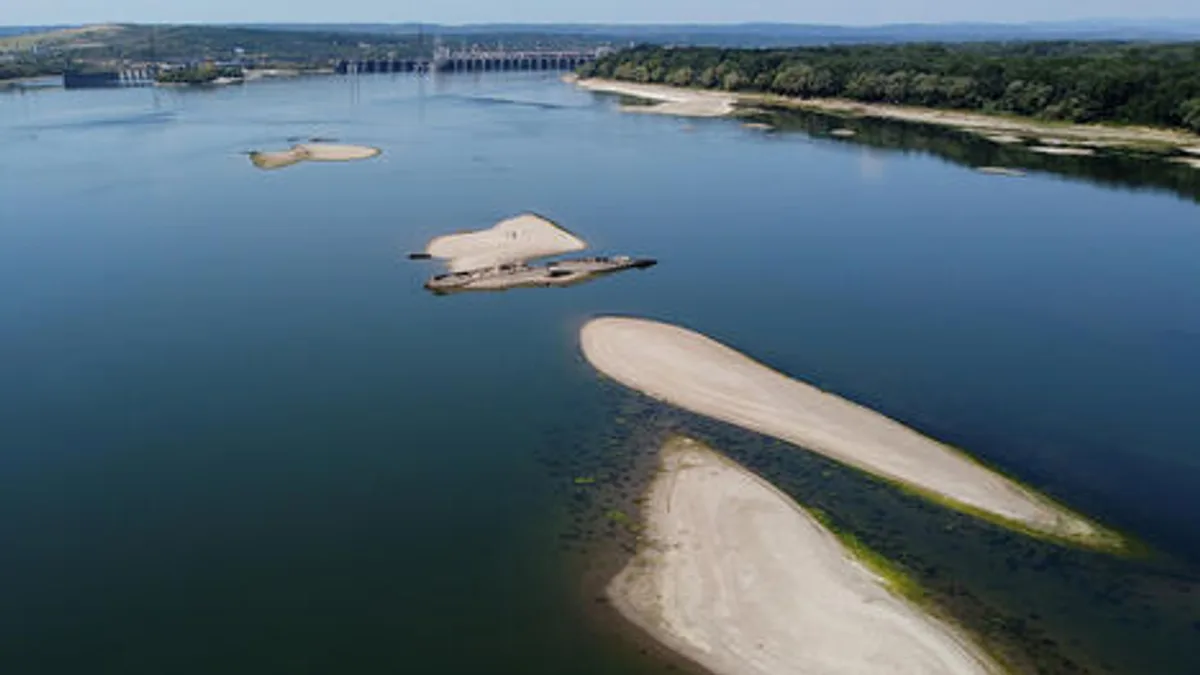
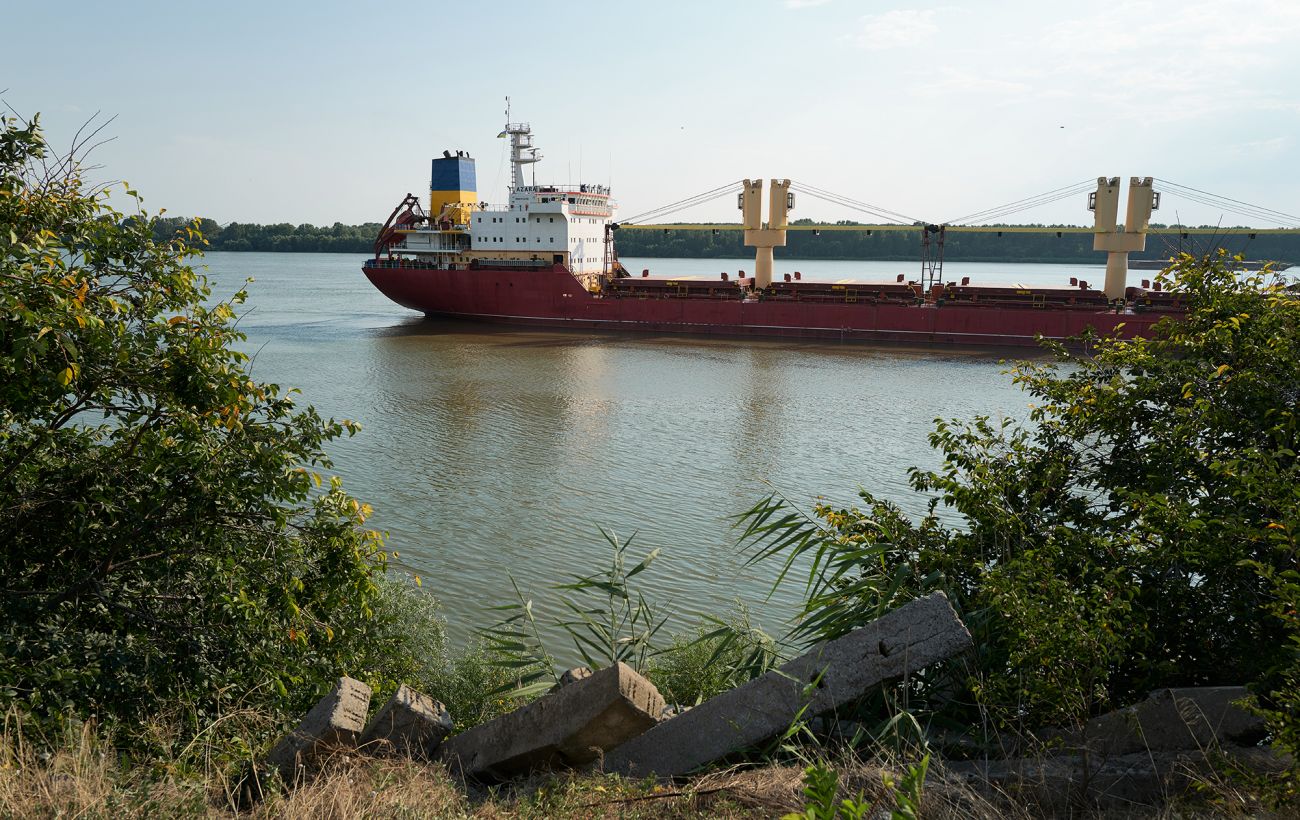
DANRISS 2 is designed to address several systemic challenges that remain relevant for Danube navigation. These include fragmented information systems, differences in vessel inspection procedures, growing freight traffic, climate-related risks and threats of environmental pollution.
The project envisages the development of a shared digital platform for information exchange, the introduction of integrated inspection procedures, the creation of mobile units for on-site inspections, and the use of analytical tools for the early identification of high-risk vessels.
The project is expected to improve the transparency and predictability of navigation control, reduce response time in crisis situations, enhance coordination between Romanian and Bulgarian authorities, and strengthen environmental safety on one of the key sections of the Lower Danube.
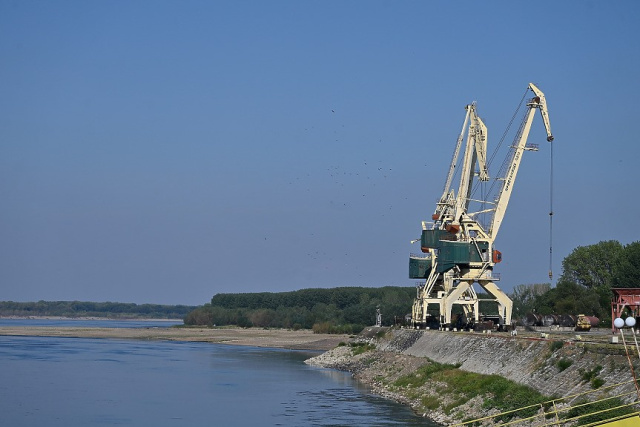
The direct beneficiaries of the initiative will be the maritime administrations of the two countries, transport companies, port operators and local communities. At the same time, the importance of the project goes beyond bilateral cooperation, as the Lower Danube is a significant part of the European transport, logistics and environmental system.
Comment by the Institute of Danube Research
Vitalii Barvinenko, Director of the Institute of Danube Research, noted that the launch of DANRISS 2 reflects the gradual transition of Danube policy from infrastructure modernisation to integrated digital management of the river corridor.
“Today, for the Danube, not only the physical capacity of ports, channels and border infrastructure is critically important. The quality of data management, the speed of information exchange between countries, and the ability to forecast risks for navigation and the environment in advance are becoming equally important. The Romanian-Bulgarian DANRISS 2 project is an example of how digital tools can turn cross-border cooperation into a practical security mechanism,” Vitalii Barvinenko emphasised.
According to him, this experience is also of practical importance for Ukraine, as Ukrainian Danube ports remain an essential part of export logistics and require deeper integration with European systems of navigation, customs, environmental and transport control.
“The Ukrainian section of the Danube should develop not in isolation, but as part of a common European river space. This means compatible digital platforms, coordinated procedures, common safety standards and constant data exchange with partners. These are precisely the solutions that form the basis for the future competitiveness of the Danube route,” the Director of the Institute of Danube Research stressed.
The Institute notes that the development of digital navigation management systems on the Danube should be considered one of the key areas of regional policy. Combined with the modernisation of ports, railway approaches, border infrastructure and environmental monitoring, such projects can significantly increase the resilience of the entire Danube transport corridor.
DANRISS 2 also corresponds to the objectives of the EU Strategy for the Danube Region and the European Green Deal, as it combines transport safety, digitalisation, cross-border coordination and environmental protection.

 Bulgaria
 Hungary

 Ukraine
 Moldova
 Serbia

 Danube