

Romania and Bulgaria Step Up Efforts to Establish a Joint Black Sea Maritime Security Centre
 Romania
16.10.2026
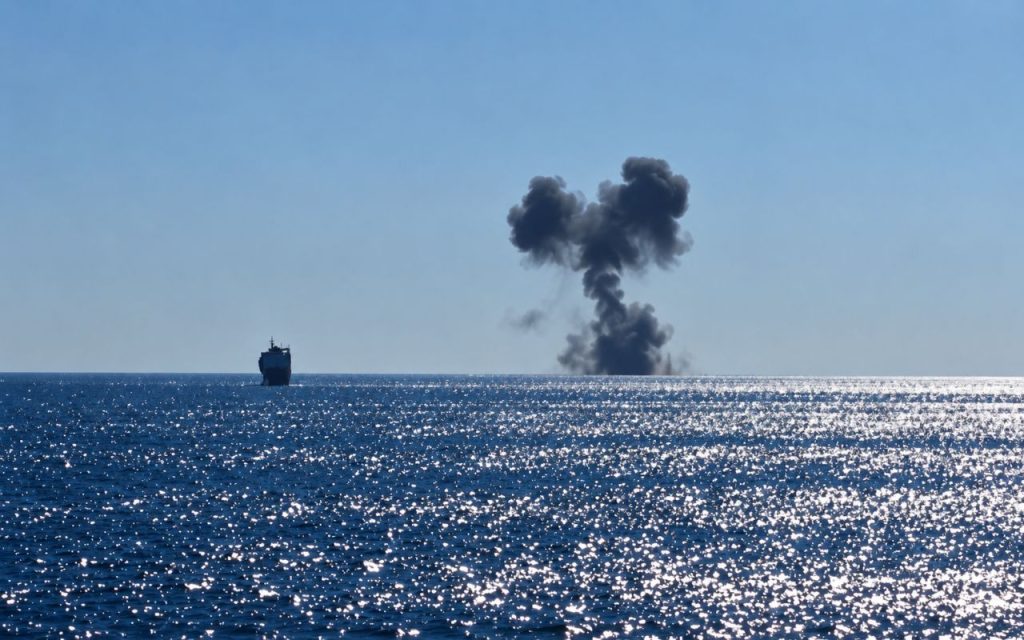
Romanian President Nicușor Dan has called on the European Union to accelerate the provision of equipment and the operational launch of a joint Romanian-Bulgarian Maritime Security Centre in the Black Sea. The initiative aims to strengthen the protection of civilian shipping amid a growing number of dangerous incidents and reports of drone attacks on commercial vessels near the Romanian and Bulgarian coasts.
The Romanian President made the statement in Brussels on 15 October, ahead of a European Council meeting. Bucharest is seeking to place Black Sea security on the EU agenda and secure European support for establishing a joint maritime monitoring and emergency response system.
On the same day, Nicușor Dan and Bulgarian Prime Minister Rumen Radev met with NATO Secretary General Mark Rutte. The discussions focused on strengthening maritime surveillance, countering drone threats, and improving coordination among NATO allies in the Black Sea.
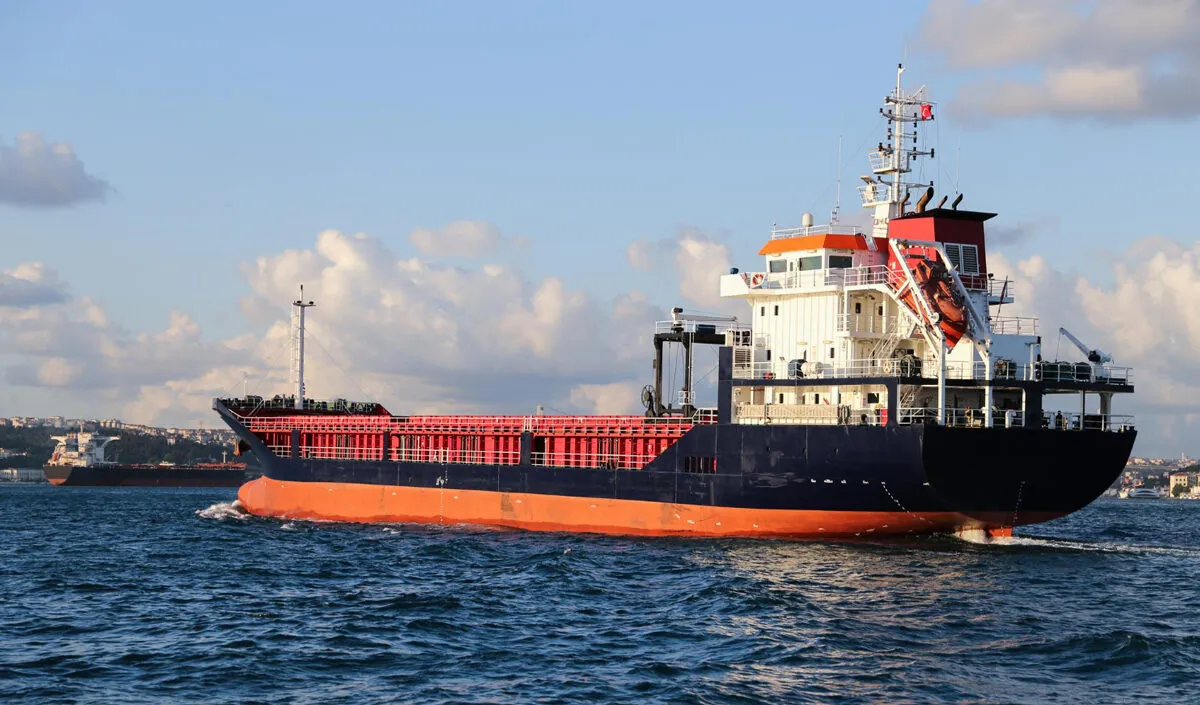
The diplomatic initiative follows a series of serious maritime incidents. On 15 October, a fire broke out aboard the San Marino-flagged vessel Wine Trader near the Sulina Canal. According to preliminary reports, some crew members were rescued, while search operations continued for missing seafarers. An earlier fire occurred aboard the tanker Yara J, whose crew was evacuated. Similar incidents involving commercial vessels have also been reported near the Bulgarian coast.
Romanian authorities have emphasized the need to establish all the circumstances surrounding these incidents, including the origin of the drones involved. Meanwhile, NATO has expressed its readiness to strengthen allied defence capabilities in the Black Sea region.
Commentary by the Institute of Danube Research
According to experts from the Institute of Danube Research, the Romanian-Bulgarian initiative reflects a fundamental shift in approaches to Black Sea security. Protecting civilian shipping is increasingly becoming a matter that extends beyond individual national jurisdictions and requires permanent regional coordination involving the EU and NATO.
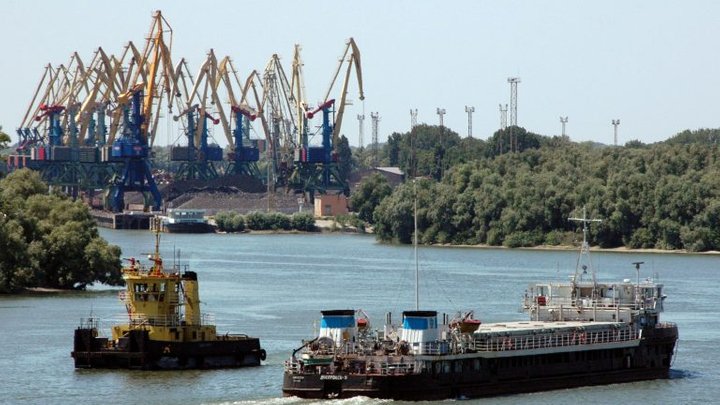
The establishment of a joint centre is particularly significant for the Danube transport corridor. Maritime approaches to the Sulina Canal provide an essential connection between Ukraine's Danube ports and international trade routes. Any increase in security risks in this area could lead to higher maritime insurance costs, cargo transportation delays, and reduced competitiveness of Danube logistics.
The Institute of Danube Research believes that Ukraine should be involved in practical mechanisms for information exchange and maritime security coordination, particularly in early warning systems, threat monitoring, and the protection of shipping routes serving the ports of Reni, Izmail, and Ust-Dunaisk.
At the same time, the future centre's effectiveness will depend not only on its technical capabilities but also on its integration with existing maritime surveillance systems, operational information-sharing mechanisms, and cooperation between civilian and military authorities.
For Ukraine, Black Sea security and the stability of Danube navigation are interconnected components of economic resilience, international trade, and regional security. Therefore, the Romanian-Bulgarian centre should be regarded as a potential element of a broader system for protecting transport infrastructure throughout the Black Sea-Danube region.


 Hungary
 Ukraine


 Moldova


 Bulgaria
 Danube



 Serbia