

Romania and Moldova to Be Connected by the Trump Liberty Line: A New Energy Security Project
 Moldova
07.10.2026
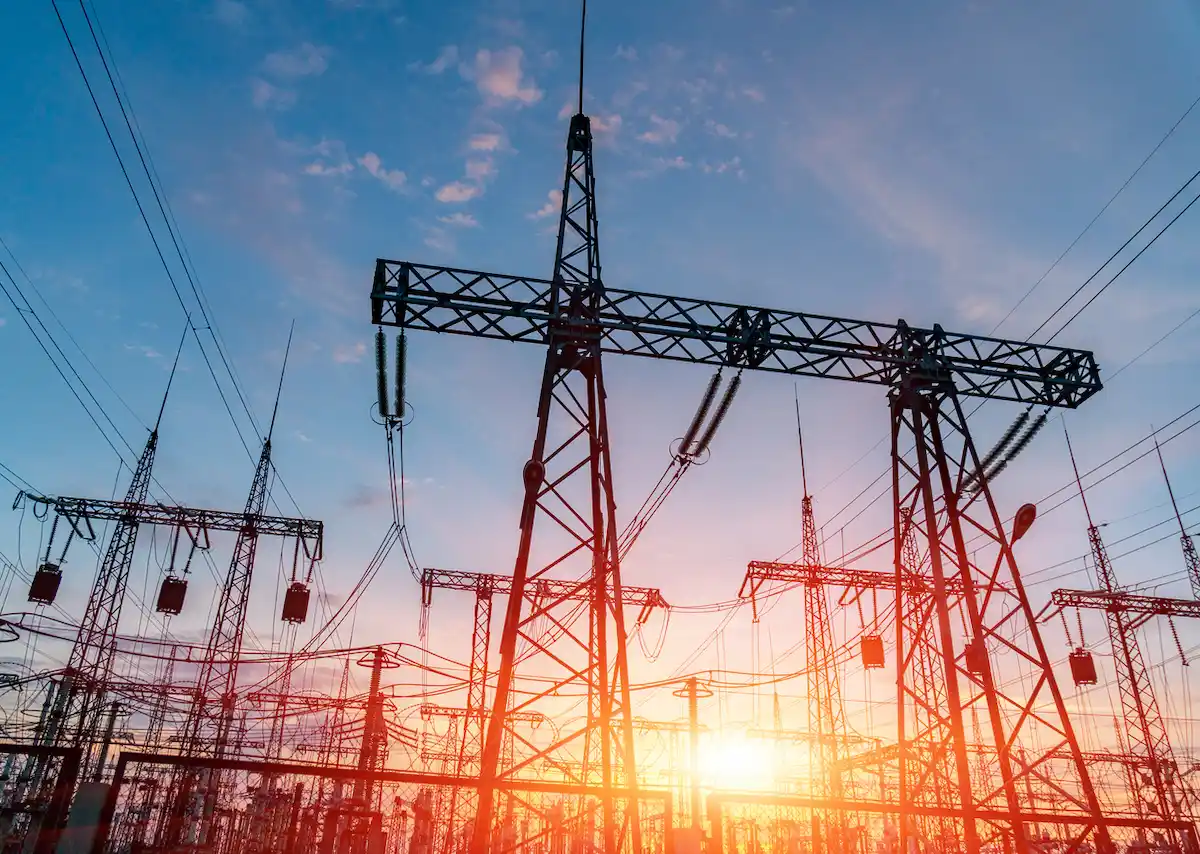
The U.S. Embassy in the Republic of Moldova has announced the establishment of a working group for the Strășeni–Gutinaș electricity transmission project, presented as the Trump Liberty Line. Moldova’s Ministry of Energy, transmission system operator Moldelectrica, U.S. company Black & Veatch, and the U.S. Embassy are participating in the initiative. The project is backed by $130 million in U.S. government funding.
The planned 400 kV overhead transmission line will extend approximately 190 kilometres, including 70 kilometres in Moldova and 120 kilometres in Romania. It is expected to become the third interconnection of this voltage level between the two countries.
According to the U.S. Embassy, the project will strengthen Moldova’s energy security and independence, expand opportunities for American companies and technologies, and deepen bilateral economic cooperation. Establishing the working group marks a step in project preparation and coordination; it does not mean that the line has entered operation.
Commentary by the Institute of Danube Research
The strategic importance of the Strășeni–Gutinaș line lies in expanding cross-border electricity supply options and strengthening the resilience of Moldova’s power system. An additional connection with Romania could reduce reliance on individual supply routes and improve access to the European electricity market.
For the Danube–Black Sea region, the project should be considered within the interconnected energy security interests of Ukraine, Moldova, and Romania. Developing cross-border electricity networks can increase opportunities for mutual support during electricity shortages and enhance the flexibility of regional supply.
However, a new transmission line alone does not guarantee lower electricity prices or full energy independence. Its practical impact will depend on available transmission capacity, domestic grid upgrades, market conditions, and timely completion. Reliability of supply, diversification of procurement sources, and economic benefits for consumers should therefore serve as the principal measures of success.
 Romania

 Hungary

 Ukraine


 Bulgaria
 Danube



 Serbia