

Romania and Serbia Sign Memorandum on the Đerdap 3 Pumped-Storage Hydropower Project on the Danube
 Serbia
17.07.2026
Serbia
17.07.2026
Romania and Serbia have signed a memorandum of understanding providing for information exchange and a joint assessment of the feasibility of implementing the Đerdap 3 pumped-storage hydropower plant project on the Danube.
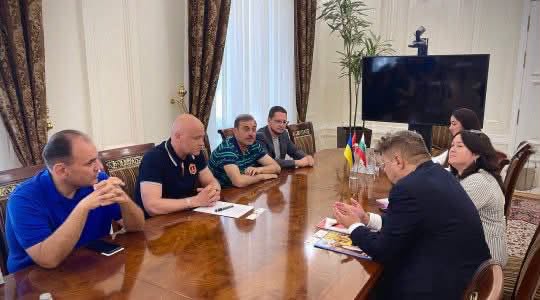
The document was signed in Bucharest on 16 July 2026 by Serbia’s Minister of Mining and Energy, Dubravka Đedović Handanović, and Romanian Prime Minister Ilie Bolojan, who is also acting as Minister of Energy. The memorandum does not yet constitute a final decision to begin construction. However, it establishes an interstate framework for exchanging technical data, conducting studies, and assessing the project’s potential benefits and impacts.
The estimated cost of Đerdap 3 amounts to several billion euros. Depending on the technical solution selected, the plant’s installed capacity could range from 1,200 to 2,400 MW. If implemented, it could become the largest pumped-storage hydropower plant in Southeast Europe and one of the continent’s largest electricity storage facilities.
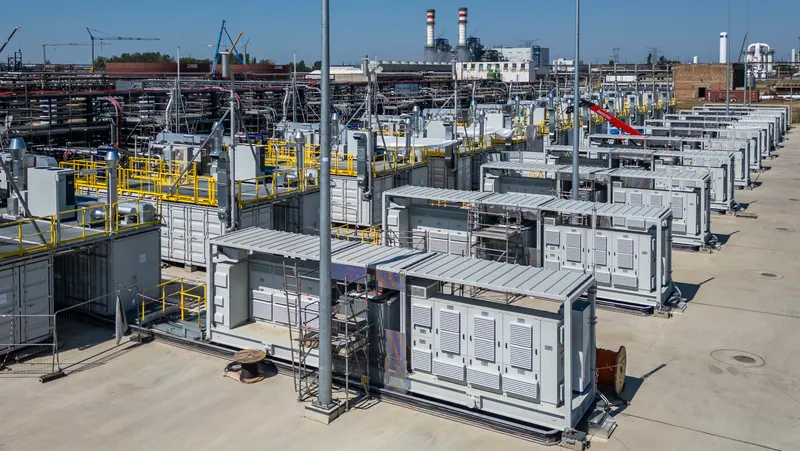
The plant would operate as a large-scale energy storage system. During periods of surplus electricity generation, water would be pumped into an upper reservoir. During peak demand, it would be released through turbines to generate electricity and support the balancing of the power system.
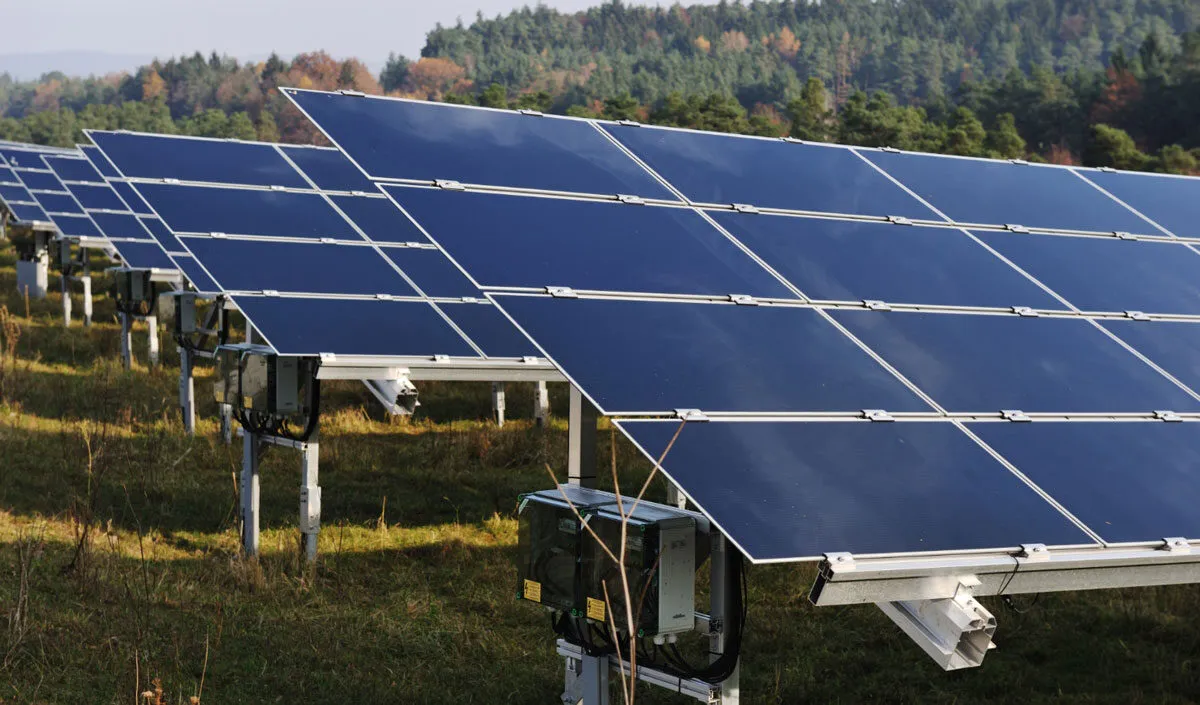
According to Dubravka Đedović Handanović, the project could provide Serbia with substantial electricity storage capacity, facilitate the integration of new solar and wind power facilities, and increase grid stability. Preliminary studies have already been carried out, while Serbia plans to begin preparing spatial planning, design, and technical documentation in 2026. A joint working group has been established to ensure regular information exchange between the two countries.
On 9 July, the Serbian government approved the legal basis for signing the memorandum. Its officially stated objective is to create the necessary conditions for assessing the possible development and construction of the pumped-storage hydropower plant on Serbian territory.
Six companies have submitted expressions of interest in participating in the project. Their proposals and compliance with the established eligibility criteria are currently being evaluated. The project is also being considered within the broader framework of Serbia’s strategic energy cooperation with the United States.
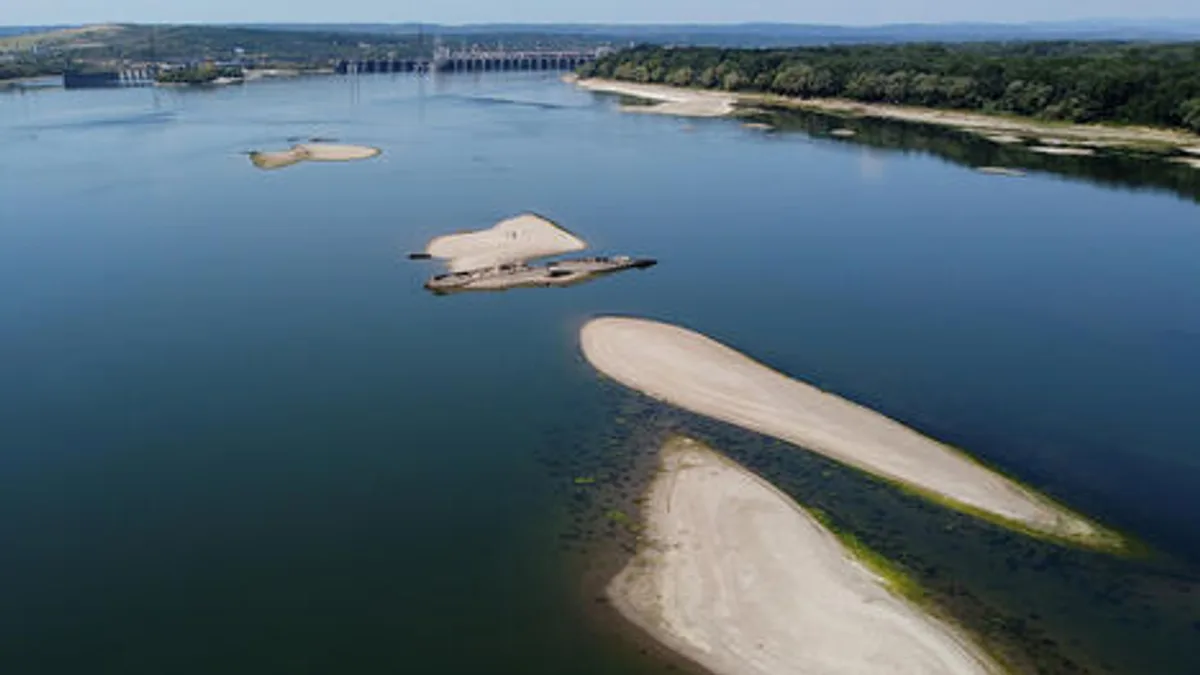
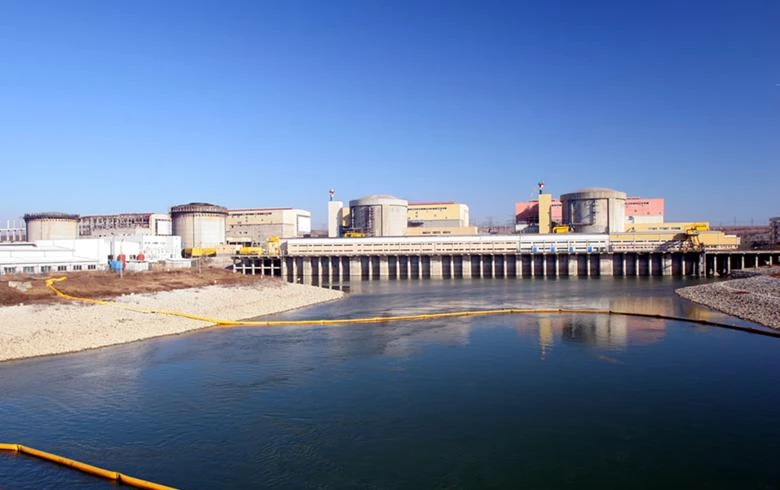
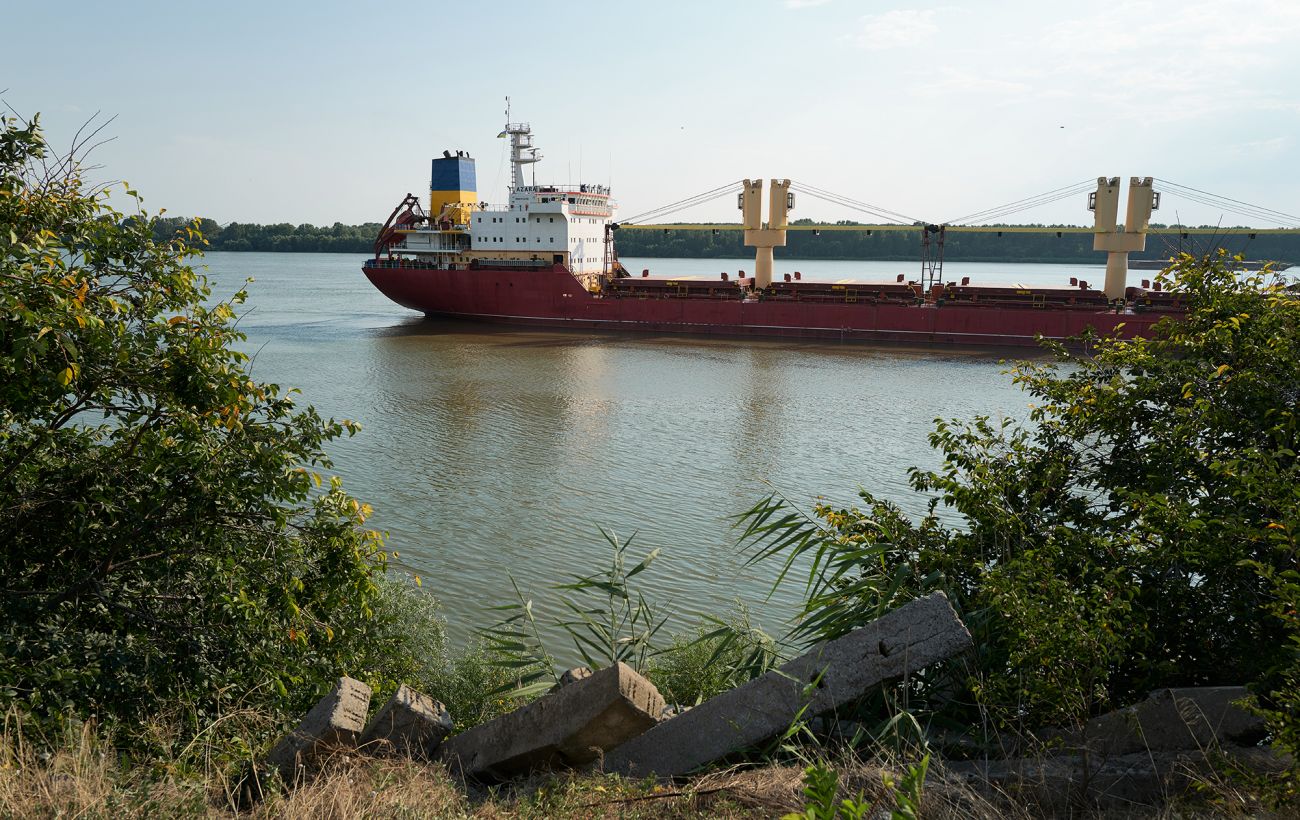
The Romanian side has emphasised that further development of Đerdap 3 must be coordinated with the operation of the existing Đerdap 1 and Đerdap 2 hydropower and navigation systems. Particular attention will be required regarding shoreline protection, the impact on the Danube’s water regime, environmental consequences, and the safety of navigation. Although the future plant is expected to be located entirely on Serbian territory, its operation could have cross-border implications.
Comment by the Institute of Danube Research
The signing of the memorandum on Đerdap 3 demonstrates that Serbia and Romania are gradually moving from political discussions toward the institutional and technical development of one of the largest potential energy projects in the Danube Region.
Pumped-storage hydropower plants are becoming increasingly important amid the rapid expansion of renewable energy. They help compensate for the variability of solar and wind generation, store surplus electricity, and support the power system during periods of peak consumption. In this context, Đerdap 3 could become not only a national energy facility for Serbia but also an important component of the regional electricity market.
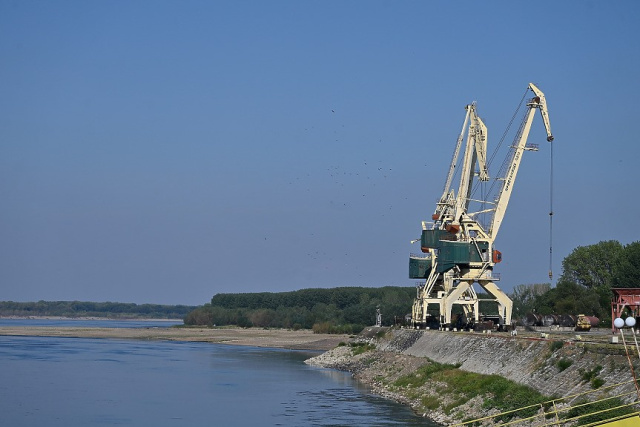
At the same time, the scale of the project requires a comprehensive cross-border assessment. Any new hydraulic infrastructure on the Danube must take into account its potential impact on the river’s hydrological regime, ecosystems, shoreline stability, port and lock operations, navigation conditions, and the interests of communities located both upstream and downstream.
The memorandum should therefore be viewed primarily as the beginning of a lengthy process involving research, consultations, and the coordination of technical solutions. Transparency, compliance with international environmental procedures, and cooperation with all states and institutions responsible for the sustainable development of the Danube Basin should become key prerequisites for the project’s successful implementation.
For Ukraine, the development of such facilities in the Danube Region is also of strategic importance. Strengthening energy storage capacities and cross-border electricity connections in Southeast Europe could contribute to the resilience of the regional power system, expand opportunities for electricity trade, and support the further integration of the Ukrainian energy market into the European system.

 Bulgaria
 Hungary
 Romania
 Ukraine
 Moldova


 Danube