

Romania Calls on the EU to Preserve Funding for Inland Waterways
 Romania
18.06.2026
Romania
18.06.2026
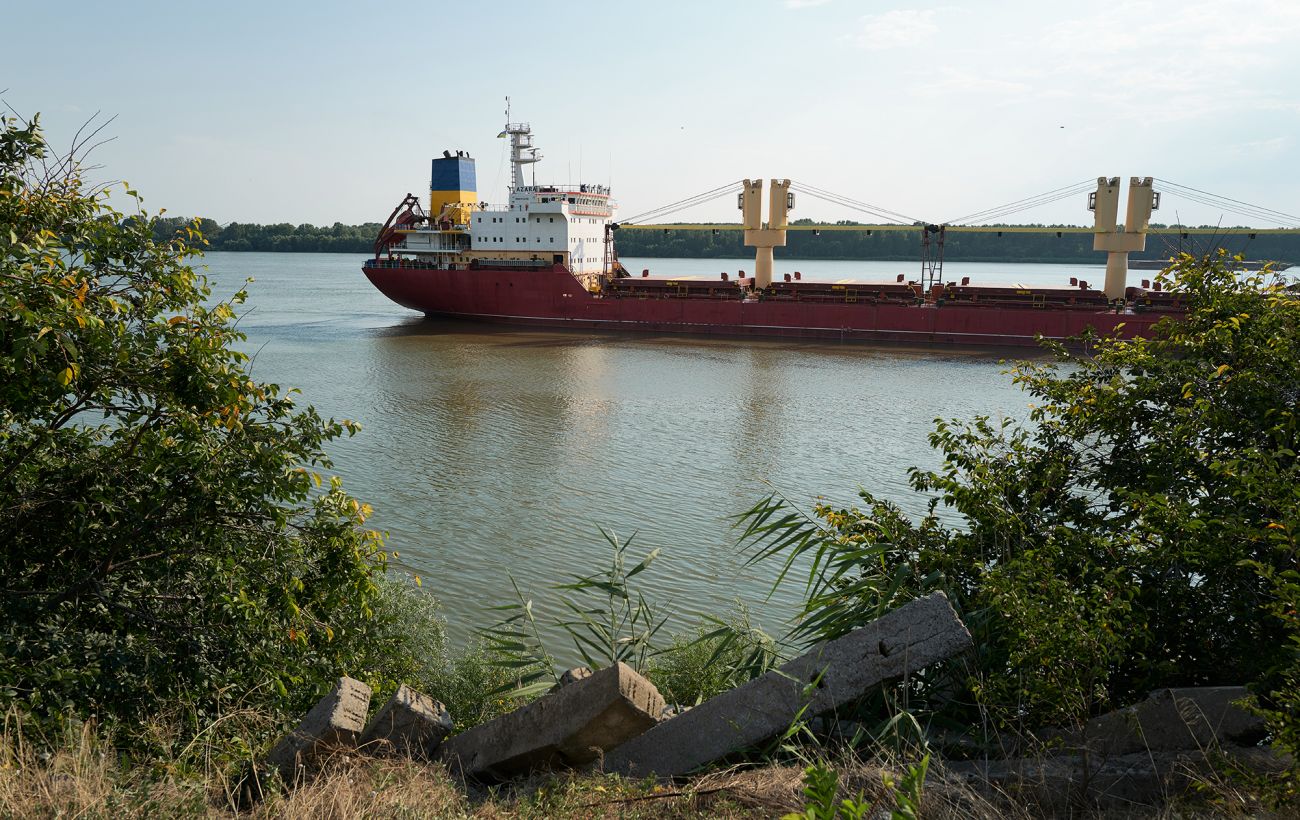
Romania continues to invest in the development of river transport on the Danube and is calling on the European Union not to reduce funding for inland waterways in the next multiannual financial framework.
This was stated by Claudiu Staicu, Deputy Director General for EU-funded programmes at Romania’s Ministry of Transport and Infrastructure, during the Danube Business Talks conference in Austria.
According to him, waterborne transport remains an underestimated element of the European transport system, despite its significant potential for developing multimodal transport, reducing pressure on road infrastructure, and strengthening the resilience of logistics routes.
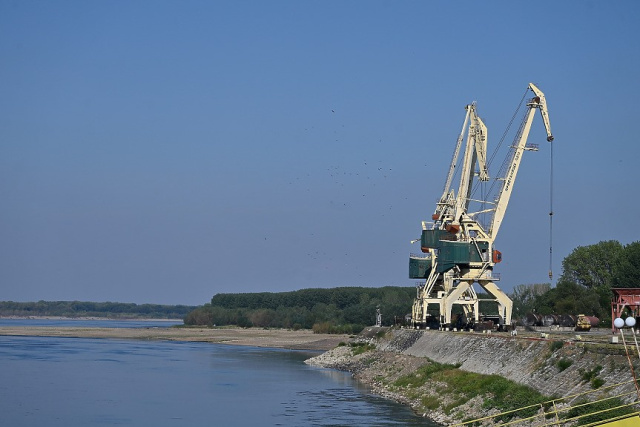
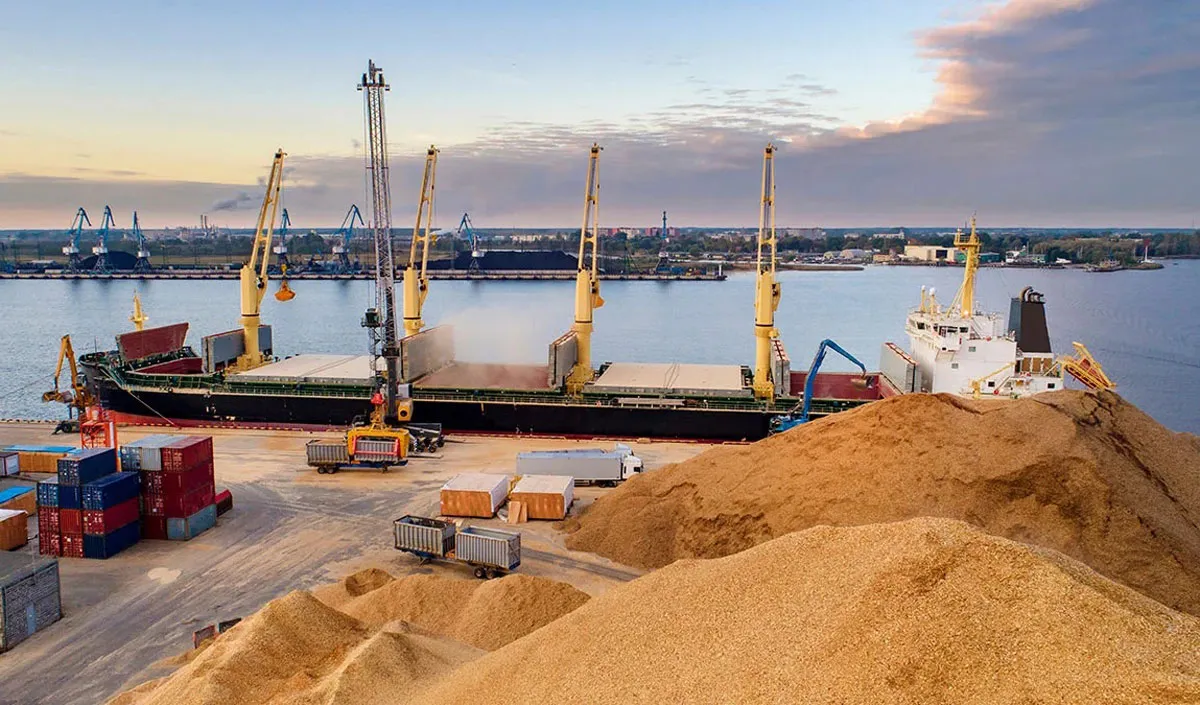
Claudiu Staicu emphasized that Romania is focusing on concrete investments in Danube port infrastructure, the development of the Port of Constanța, and ensuring stable navigability on inland waterways. He described navigability as the essential foundation for any realistic ambition to shift towards multimodal logistics.
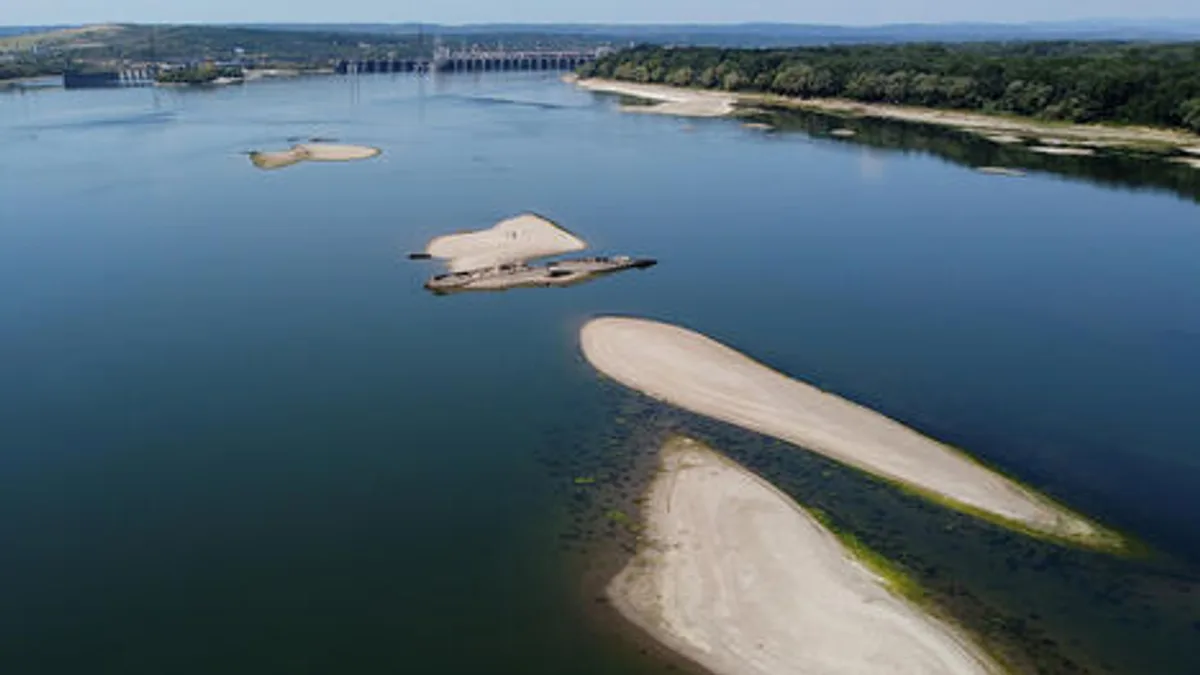
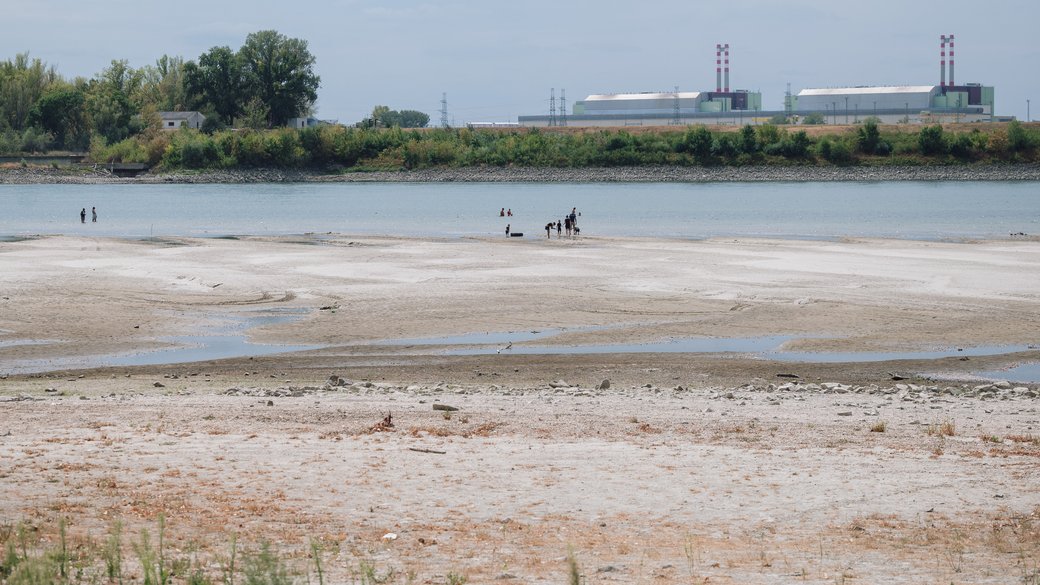
Among the examples of progress on the Danube, the Romanian official highlighted two key projects. The first is FAST Danube, aimed at ensuring year-round navigability on the common Romanian-Bulgarian section of the Danube. The second is Fairway Danube II, which introduces the concept of flexible infrastructure and improves the efficiency of waterway management.
Staicu separately stressed that, in the EU’s next multiannual financial framework, funding for inland waterways should not be diluted or reduced.
“What has been achieved in terms of EU commitments to this mode of transport must be preserved,” Claudiu Staicu concluded.
Comment by the Institute of Danube Research
The Institute of Danube Research notes that Romania’s position is important not only for Romanian transport policy, but also for the entire Danube region, including Ukraine.
“For Ukraine, the issue of EU funding for inland waterways has direct strategic significance. Since the beginning of the full-scale war, the Danube has demonstrated that it is not a peripheral route, but a critically important export and logistics corridor. Therefore, preserving European investment in navigability, port infrastructure, and multimodal transport is in the interests not only of Romania or Bulgaria, but also of Ukraine, Moldova, and the broader system of regional security,” the Institute stated.
According to IDR experts, projects such as FAST Danube and Fairway Danube II should be viewed not as local infrastructure initiatives, but as elements of a single Danube transport architecture.
“Without stable depths, predictable navigability, and modern port infrastructure, it is impossible to speak of the full integration of Ukrainian Danube ports into the European transport system. Ukraine must be an active participant in this discussion, as future EU funding will effectively determine whether the Danube becomes a long-term strategic corridor or remains merely an instrument of crisis response,” the Institute for Danube Research emphasized.
The IDR believes that Romania’s position could serve as a basis for a broader coalition of Danube states interested in preserving and expanding funding for inland waterway transport within EU policy.

 Bulgaria
 Hungary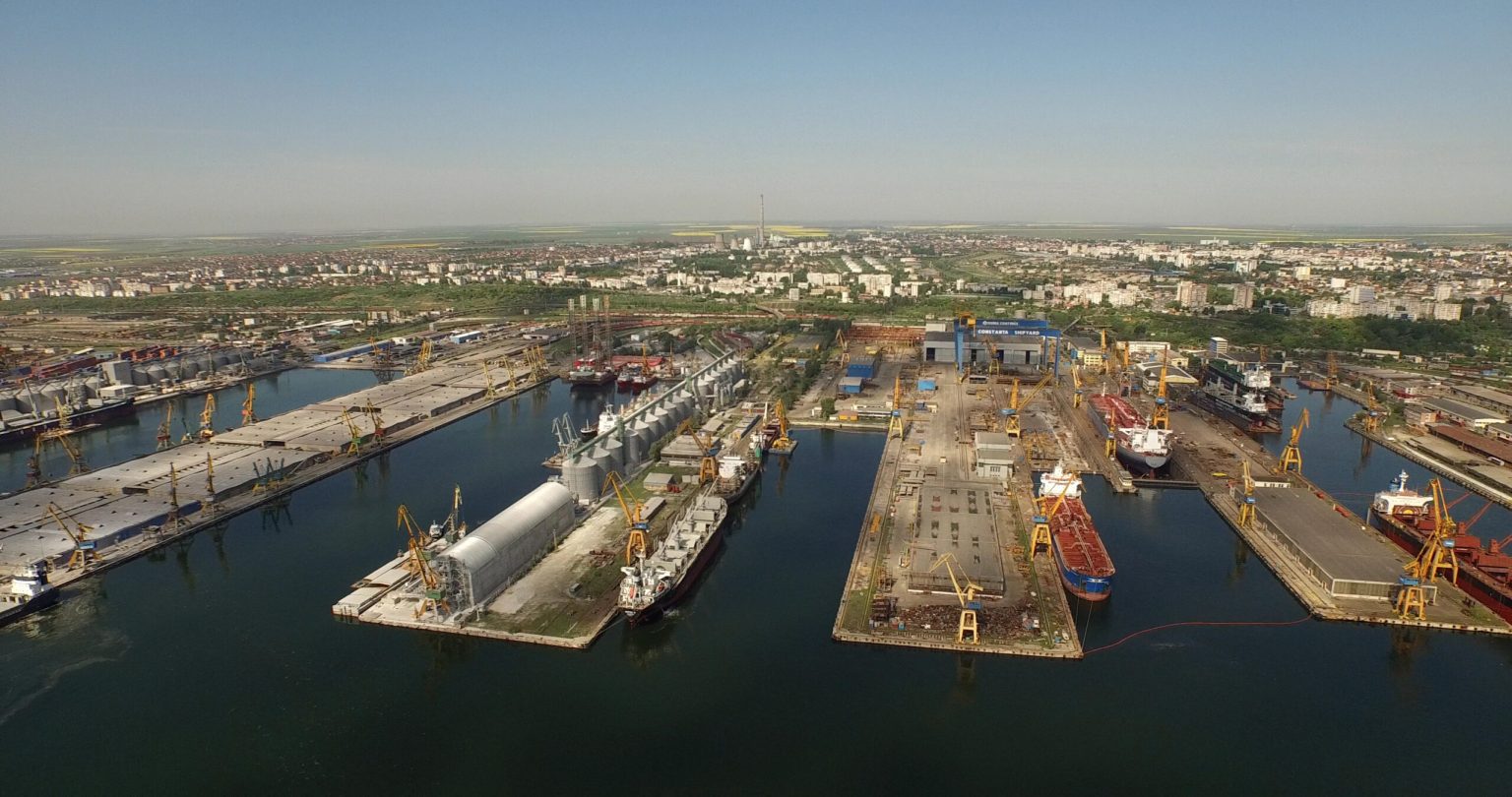

 Ukraine
 Moldova
 Serbia

 Danube