

Romania Fully Shuts Down Its Only Nuclear Power Plant Due to Critically Low Danube Levels
 Romania
13.08.2026
Romania
13.08.2026
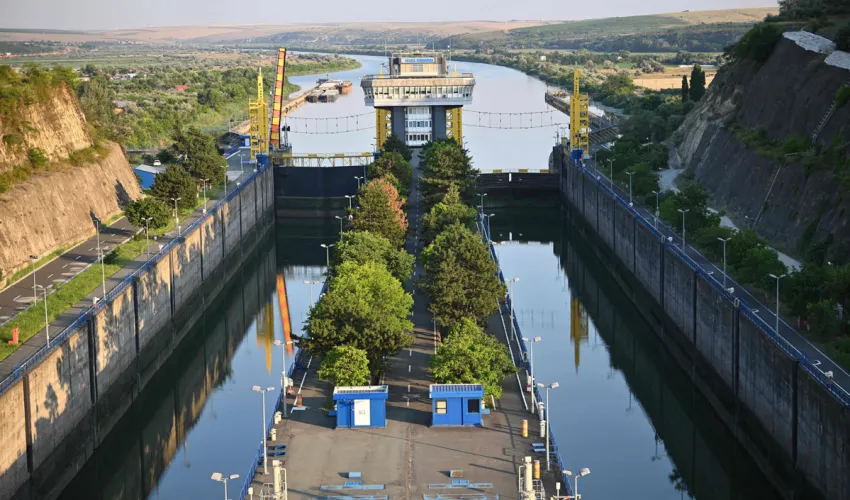
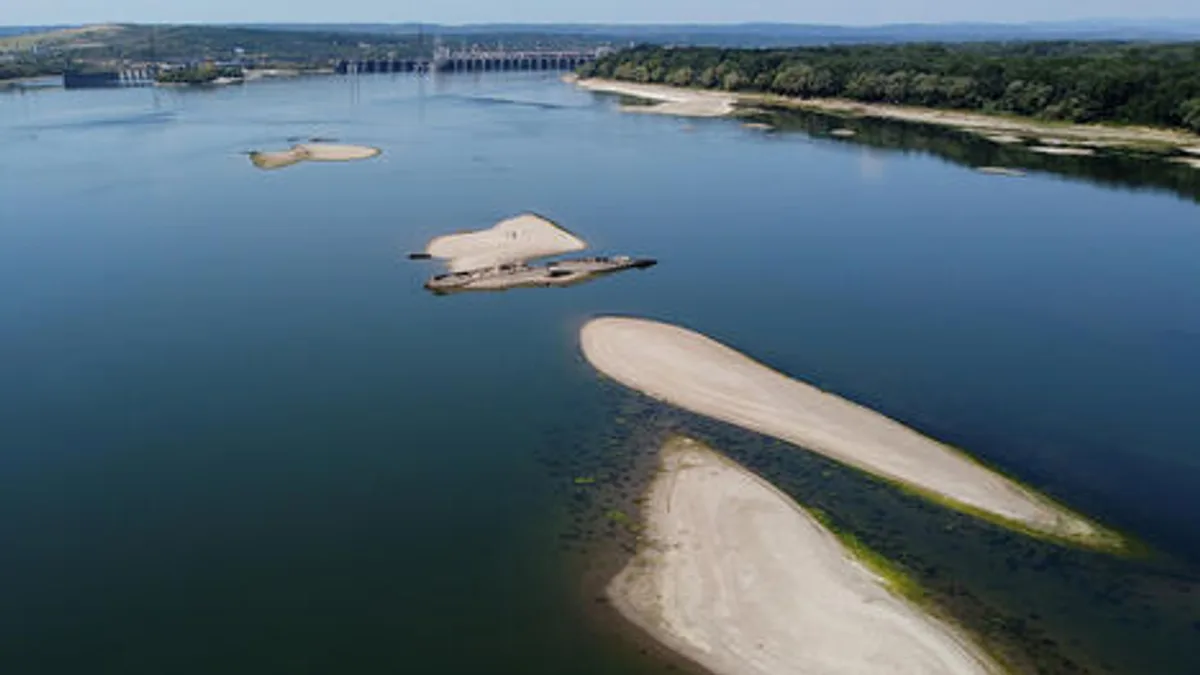
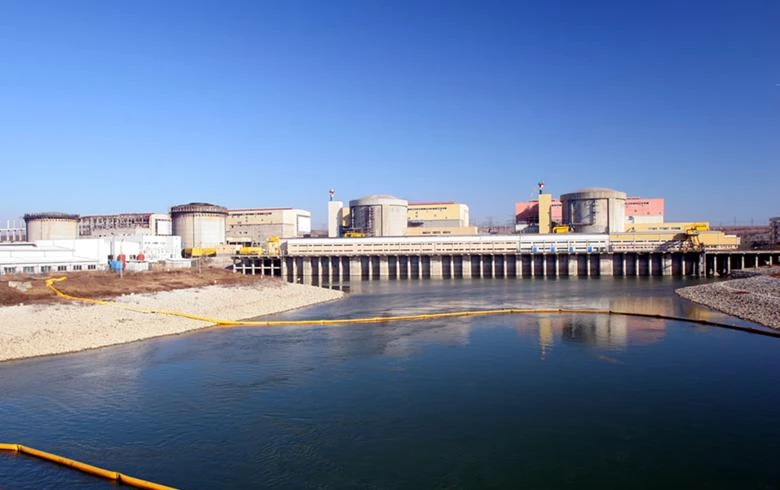
Romania has begun the controlled shutdown of Unit 2 at the Cernavodă Nuclear Power Plant due to record-low water levels in the Danube. Once the unit is taken offline, electricity generation at the country’s only nuclear power plant will cease completely.
“Unit 2 of the Cernavodă NPP will be shut down in a controlled manner due to the current hydrological conditions,” Romania’s Ministry of Energy stated. The procedure is a preventive technical measure and is not related to an accident or a breach of nuclear safety requirements.
According to the ministry, the resulting generation deficit will be compensated through wind and hydropower production, the activation of Unit 4 at the Rovinari thermal power plant, and electricity imports. The authorities have again urged households and businesses to consume electricity responsibly, particularly during the evening peak period from 7:00 p.m. to 11:00 p.m.
The Cernavodă NPP operates two CANDU reactors, each with a capacity of approximately 700 MW. Under normal operating conditions, the plant provides about 20% of Romania’s electricity generation. Unit 1 was shut down in a controlled manner and disconnected from the national electricity system on July 28 due to insufficient Danube flow. A similar decision has now been taken regarding Unit 2.
This will be the first complete shutdown of the Cernavodă NPP due to drought since 2003. At that time, when the plant had only one operational reactor, electricity generation was suspended for several weeks.
In recent weeks, Romanian authorities have attempted to maintain the required water level near the plant’s pumping systems. The measures included dredging, the controlled blasting of a rock obstruction, and the sinking of four stone-filled barges. The resulting underwater barrier was intended to redirect part of the Danube flow towards the plant’s water intake. The total cost of the emergency measures is estimated at more than €2 million.
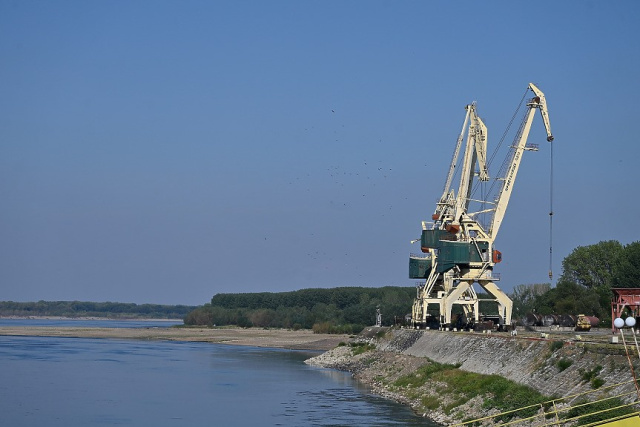
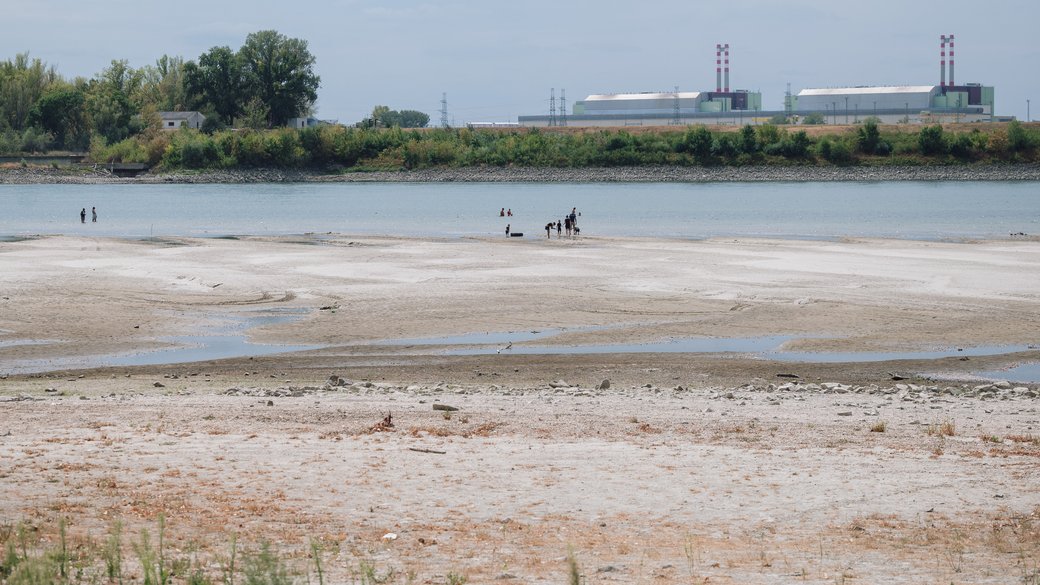
However, these interventions produced only a temporary result. The continued decline in the Danube’s water level made it impossible to guarantee the water supply required for the operation of the second reactor. According to Romanian sources, the river discharge fell to approximately 1,370 cubic metres per second, an all-time low amounting to around one-third of the average August level.
Comment by the Institute of Danube Research
The complete shutdown of the Cernavodă NPP demonstrates that low water levels on the Danube have evolved from a hydrological problem into a complex threat to the energy security of the entire region. The resilience of nuclear and thermal power generation depends not only on installed capacity, fuel reserves and the condition of electricity networks, but also on the availability of sufficient water resources for cooling technological equipment.
The controlled shutdown of the reactor is a necessary safety measure. At the same time, taking both units offline removes approximately 1.3–1.4 GW of stable baseload generation from Romania’s electricity system. Compensating for this deficit through wind and hydropower depends on weather conditions, while electricity imports depend on the availability of power in neighbouring countries and the capacity of cross-border interconnections.
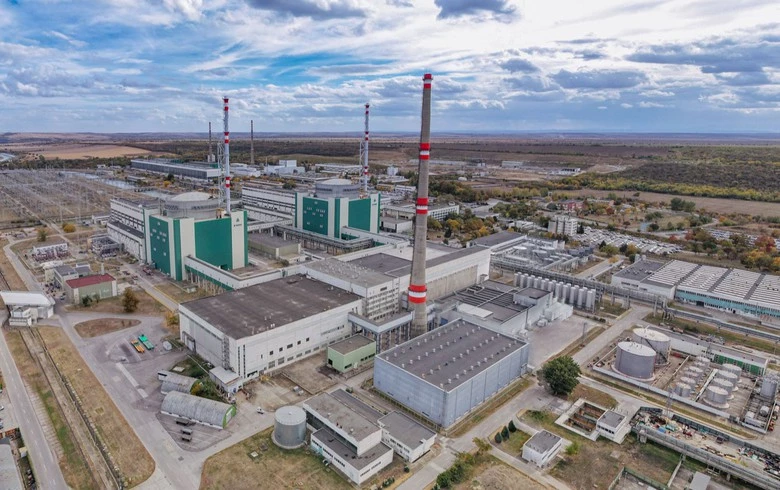
The regional nature of the low-water crisis further complicates the situation. Similar problems have affected Hungary’s Paks Nuclear Power Plant, Serbian hydropower facilities and other energy infrastructure across the Danube basin. When generation falls simultaneously in several countries, the capacity for mutual support through electricity trade decreases, while market prices and pressure on cross-border networks increase.
Rock blasting, dredging and the sinking of barges made it possible to gain some time. However, such emergency engineering measures cannot replace the systematic adaptation of energy infrastructure to climate change. They must also be accompanied by assessments of their impact on riverbed morphology, navigation, ecosystems and the distribution of water between the Danube’s different branches.
The Institute of Danube Research believes that the countries of the region need to establish a joint system for forecasting water-related energy risks. It should integrate hydrological monitoring, coordination of reservoir and power plant operating regimes, the development of energy-storage capacity, the modernisation of cross-border networks and the diversification of electricity generation.
The shutdown of the Cernavodă NPP is a warning for the entire Danube region: the climate resilience of water resources is becoming an integral component of energy, economic and national security.

 Bulgaria
 Hungary

 Ukraine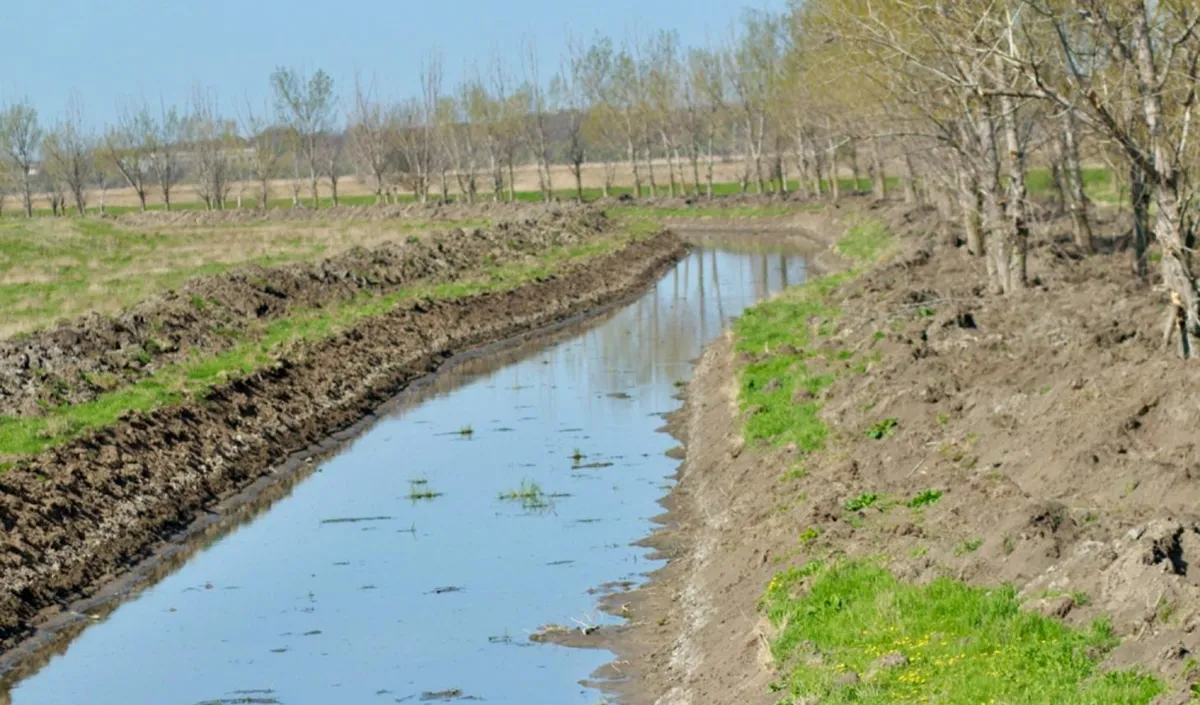
 Moldova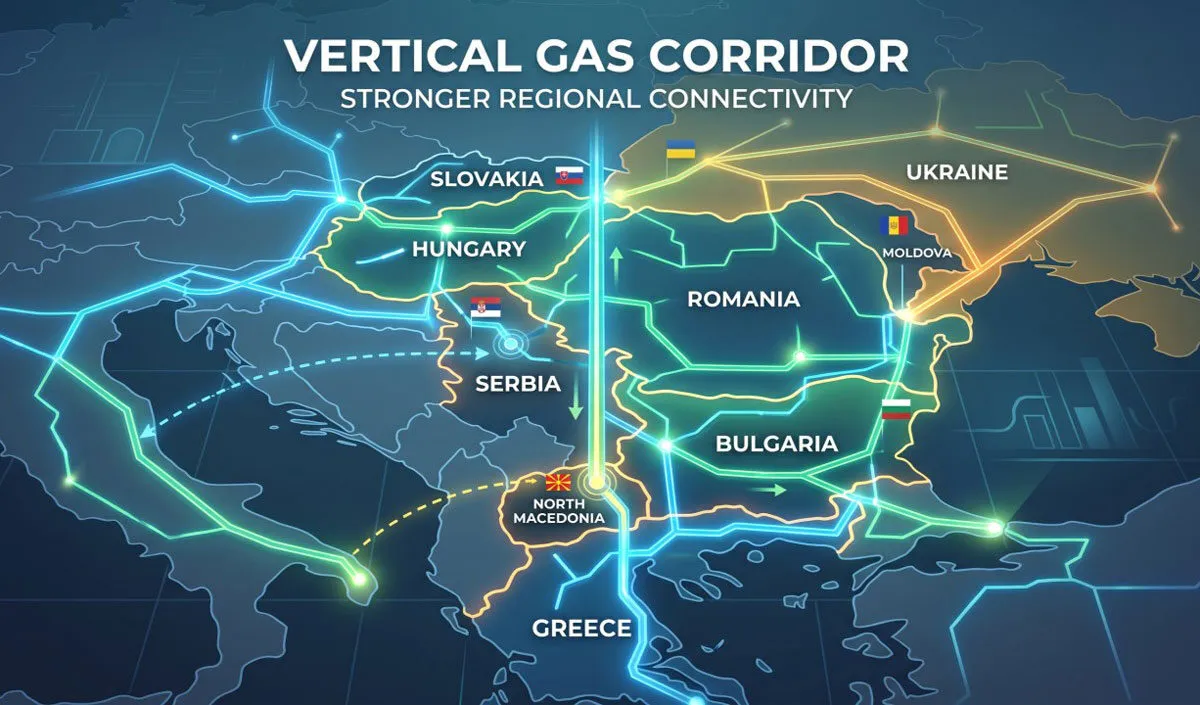
 Serbia

 Danube