

Romania proposes permanent Danube dredging as a strategic project to support navigation
 Romania
06.10.2026
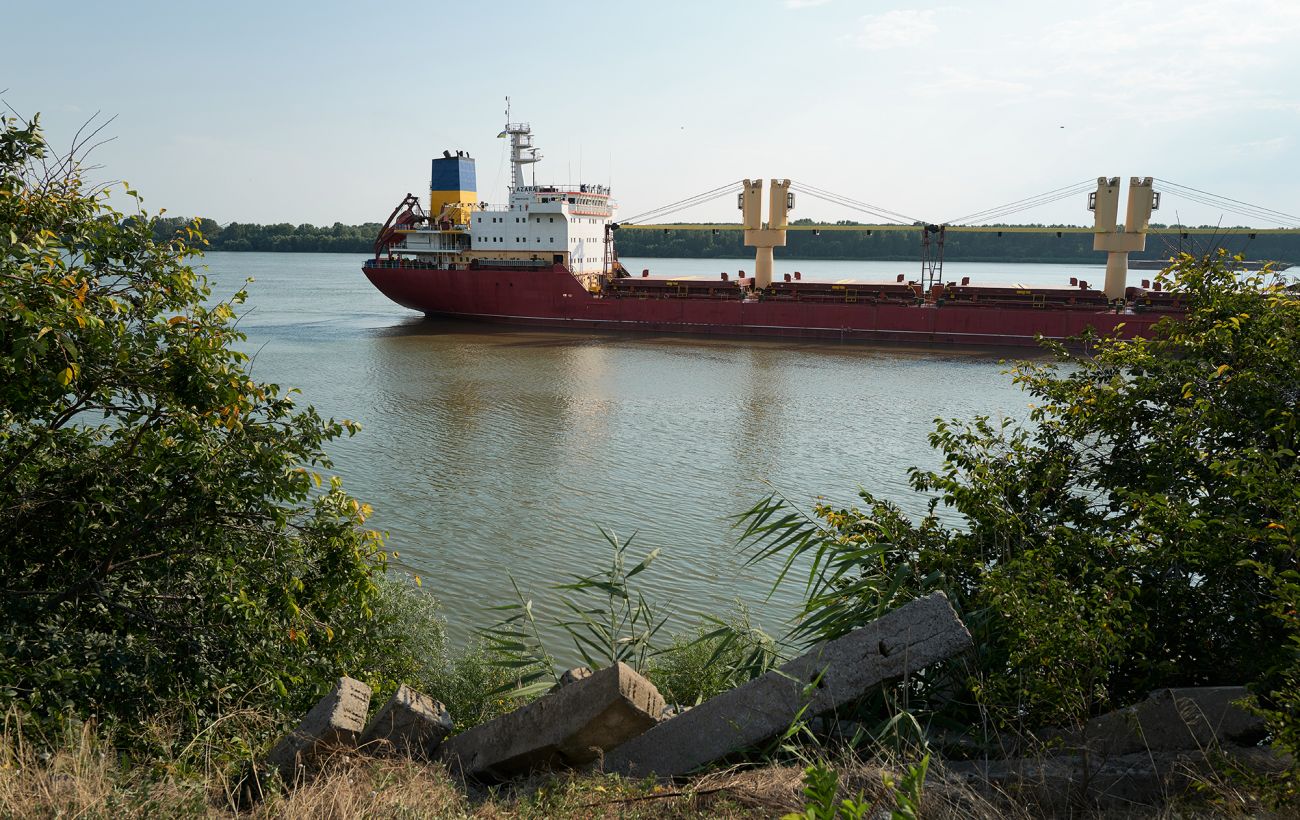
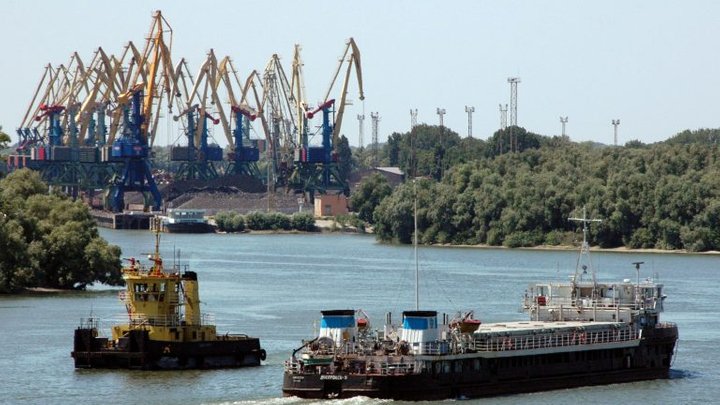
Romania has proposed developing a national strategic project for permanent dredging of the Danube in order to maintain the navigational depths required for shipping and ensure the stable operation of port logistics.
The initiative was discussed during a public debate on the future of the Port of Constanța, organised by the Constanța Port Business Association and the Romanian Maritime League.
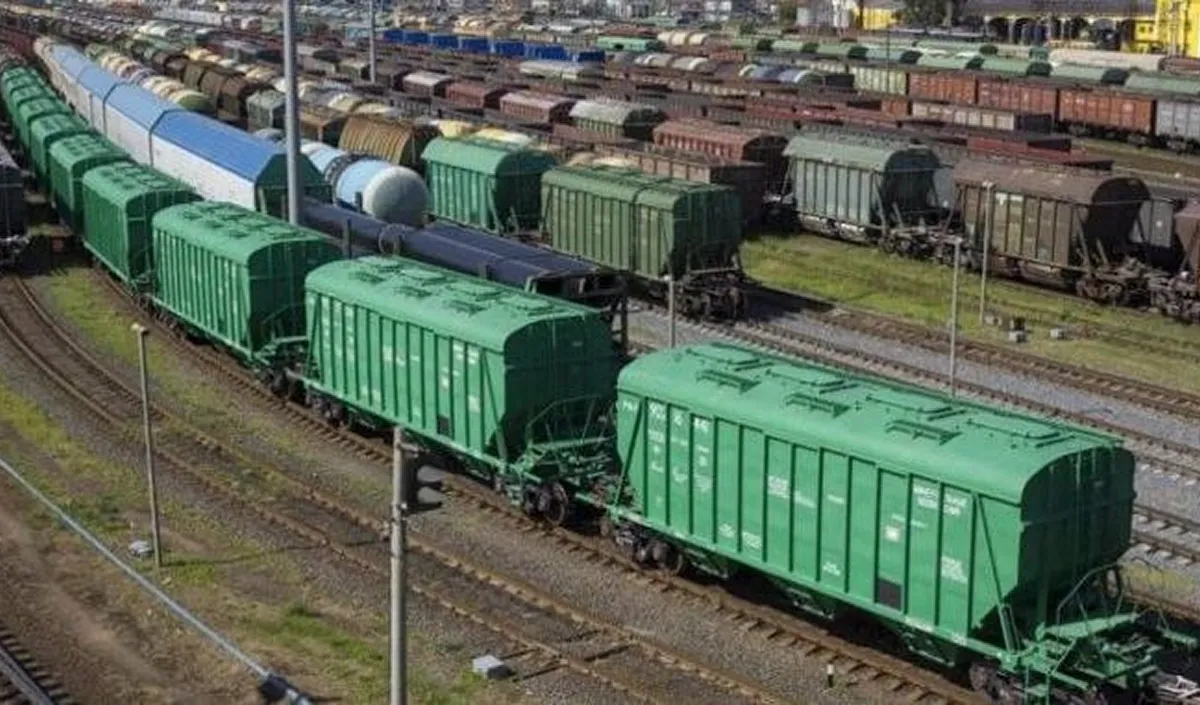
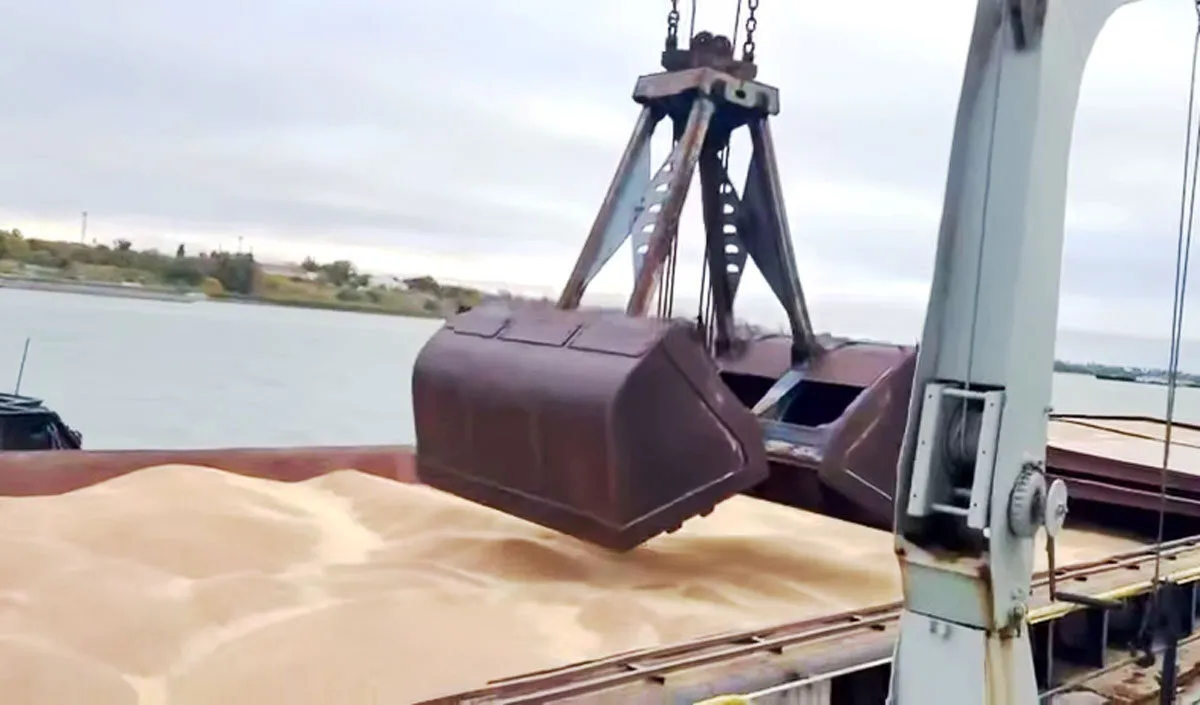
Participants stressed that the Danube should be used more actively as a transit corridor connecting Central European countries with the Port of Constanța. However, the effective use of this potential depends directly on ensuring stable navigability of the river, particularly during periods of low water levels.
For this reason, representatives of the port and transport sectors proposed moving from individual dredging campaigns towards a systematic model of permanent maintenance of navigational depths.
According to participants in the discussion, such a project could serve not only transport objectives but also Romania’s energy security interests, as the Danube’s water regime is important for maintaining the water supply required for the operation and cooling systems of the Cernavodă Nuclear Power Plant.
Port operators also highlighted a broader range of problems affecting the competitiveness of Constanța. These include the lack of a predictable long-term development strategy, the tariff policy of the port administration, insufficient transport connectivity and difficulties in attracting new cargo flows.
The business community also called for greater investment in infrastructure and for public investment programmes to be better coordinated with the capacity already created by private operators.
Following the discussion, the Constanța Port Business Association plans to prepare a package of legislative and operational proposals to be submitted to the Romanian Parliament and other public authorities.
Comment by the Institute of Danube Research
The proposal to establish permanent dredging of the Danube indicates a gradual change in the approach to river infrastructure. The issue is no longer limited to responding to individual periods of low water or addressing isolated bottlenecks. Instead, guaranteed navigability is increasingly being viewed as a permanent component of transport and economic security.
For the Danube region, this is a fundamental issue. Against the background of growing variability in the river’s hydrological regime, the competitiveness of inland waterway transport will depend not only on port capacity, fleet availability or tariffs, but also on the ability of states to systematically maintain navigational conditions.
For Ukraine, the Romanian discussion has direct practical relevance. The Ukrainian Danube ports of Reni, Izmail and Ust-Dunaisk operate within the integrated transport system of the Lower Danube, where the condition of fairways, the capacity of Romanian waterways and the performance of the Port of Constanța directly influence the speed and cost of cargo transportation.
In the longer term, systematic maintenance of navigational depths could strengthen the Central Europe — Danube — Constanța — Black Sea transport axis. At the same time, it would intensify competition among ports for cargo flows.
Ukraine therefore needs not only to monitor Romania’s infrastructure policy, but also to synchronise these developments with the modernisation of its own Danube ports, access channels, railway connections and road infrastructure.
Cross-border coordination is becoming particularly important. Dredging on the Danube cannot be treated exclusively as a technical issue for a single state. It is closely connected with navigation, environmental protection, hydrological conditions, energy security and the interests of several countries in the river basin.
The most effective model would therefore combine the maintenance of navigational parameters with joint hydrological monitoring and long-term planning of transport corridors.
In the assessment of the Institute of Danube Research, the Romanian initiative is another indication that the Danube is increasingly being viewed not as an alternative or reserve route, but as a strategic transport artery of Central and South-Eastern Europe. For Ukraine, this creates new logistical opportunities while simultaneously increasing the need for a comprehensive long-term policy for the development of the Lower Danube.


 Hungary
 Ukraine


 Moldova


 Bulgaria
 Danube



 Serbia