

Romania relies on Bulgaria and wind power after Cernavodă nuclear plant shutdown
 Romania
14.08.2026
Romania
14.08.2026
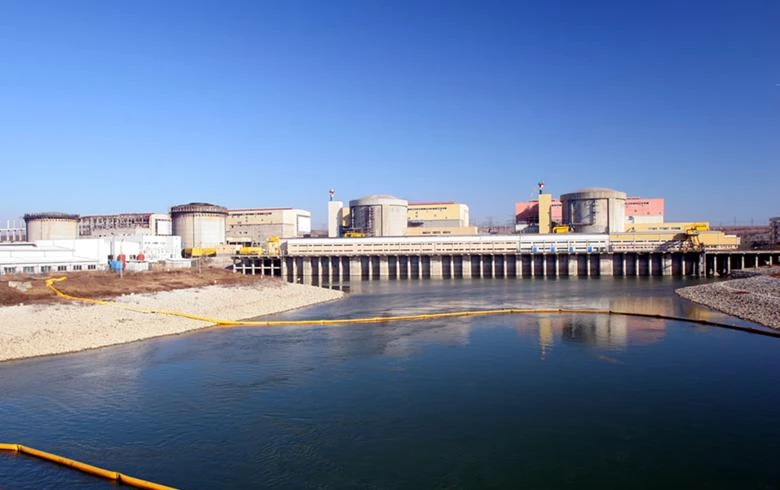
Romania’s power system is facing its first major test following the shutdown of the last operating unit at the Cernavodă Nuclear Power Plant. The electricity generation deficit is currently being offset by strong winds, increased use of energy storage systems and higher electricity imports from Bulgaria.
Following the shutdown of the last operating Cernavodă reactor on 13 August, Romania temporarily lost generating capacity that accounted for around 20% of national electricity production. Before the shutdown, each of the plant’s two units generated approximately 680 MW.
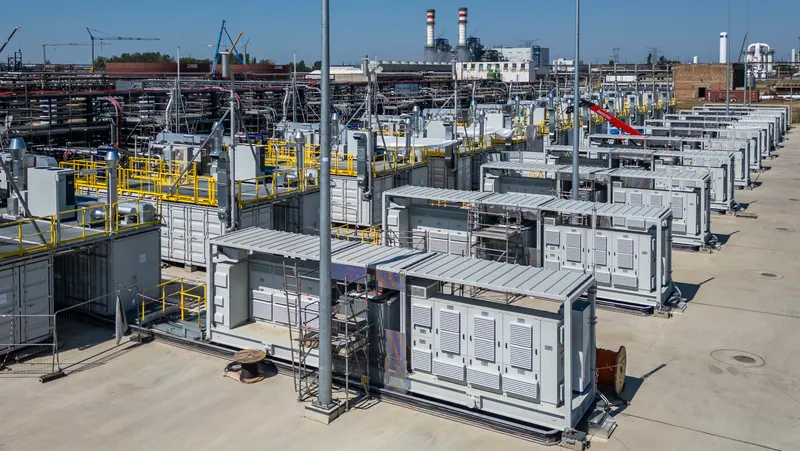
On the first day without nuclear generation, high output from wind farms became one of the key factors stabilising the system. Energy storage systems provided an additional resource: during peak demand hours, their output reached around 600 MW, already comparable to the generation capacity of one Cernavodă reactor.
Another important factor was the redistribution of electricity consumption and production by prosumers — consumers that also have their own generating capacity and storage systems. Households equipped with batteries mainly store the electricity they produce for later use, as they currently lack sufficient financial incentives to feed it into the national grid.
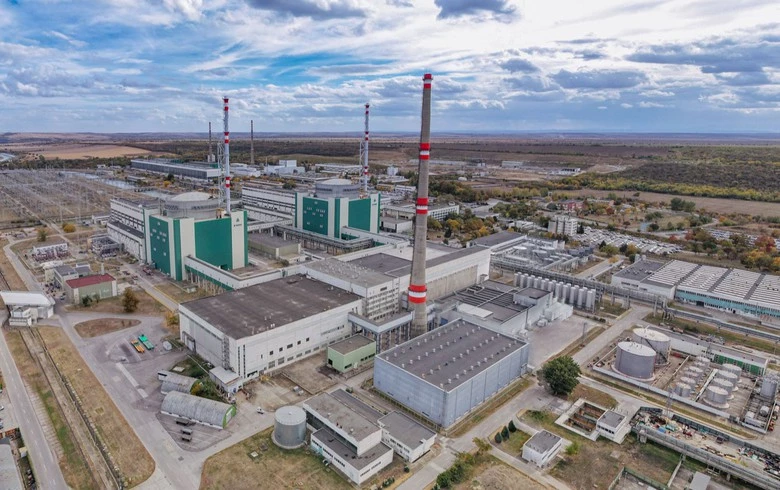
At the same time, electricity imports from Bulgaria have become an important component of system balancing.
Energy expert Eugenia Gusilov, speaking to Digi24, highlighted the vulnerability of this model. According to her, one of the most difficult scenarios would arise if wind generation declined at the same time as Romania’s ability to import electricity from Bulgaria was reduced. Under such conditions, maintaining the balance of the Romanian power system would become significantly more challenging.
Commentary by the Institute of Danube Research
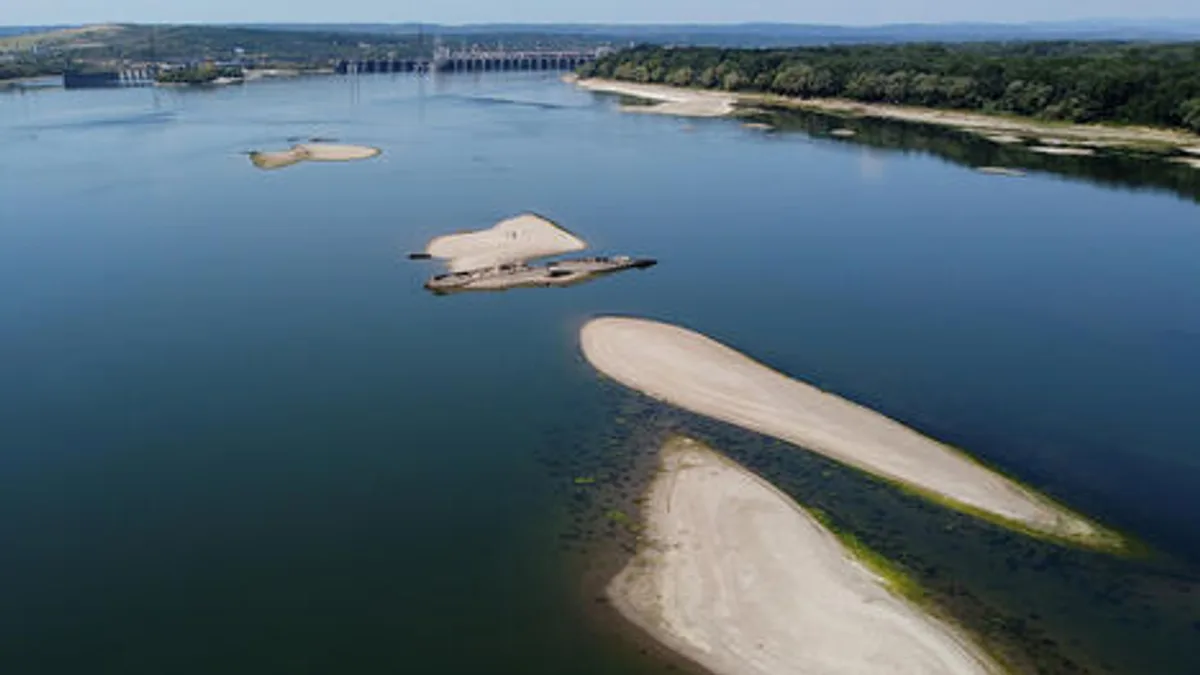
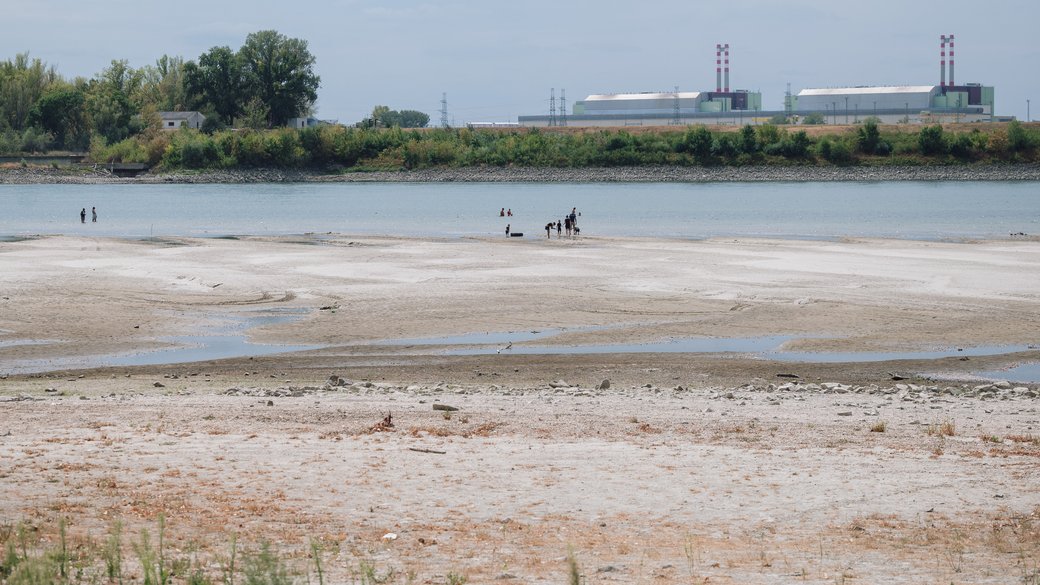
The Institute of Danube Research notes that the situation surrounding the Cernavodă Nuclear Power Plant demonstrates the direct relationship between the hydrological conditions of the Danube and the energy security of countries in the region.
Cernavodă is one of the key sources of Romania’s baseload generation. Therefore, the simultaneous unavailability of both units significantly changes the structure of the national energy balance. In the short term, this deficit can be compensated for through a combination of wind generation, energy storage, hydropower, flexible generating capacity and cross-border electricity flows. However, such a system becomes considerably more dependent on weather conditions and developments in the regional electricity market.
The Bulgarian factor is particularly important. The increase in Romanian imports demonstrates the extent to which the power systems of the Lower Danube countries have become interconnected. During crisis situations, reserve capacity in one country effectively becomes an element of energy resilience for neighbouring states.
At the same time, dependence on imports cannot be considered a long-term substitute for stable baseload generation. If electricity demand rises simultaneously in Bulgaria, technical constraints emerge, or the region experiences a generation deficit, the capacity for cross-border support to Romania could be substantially reduced.
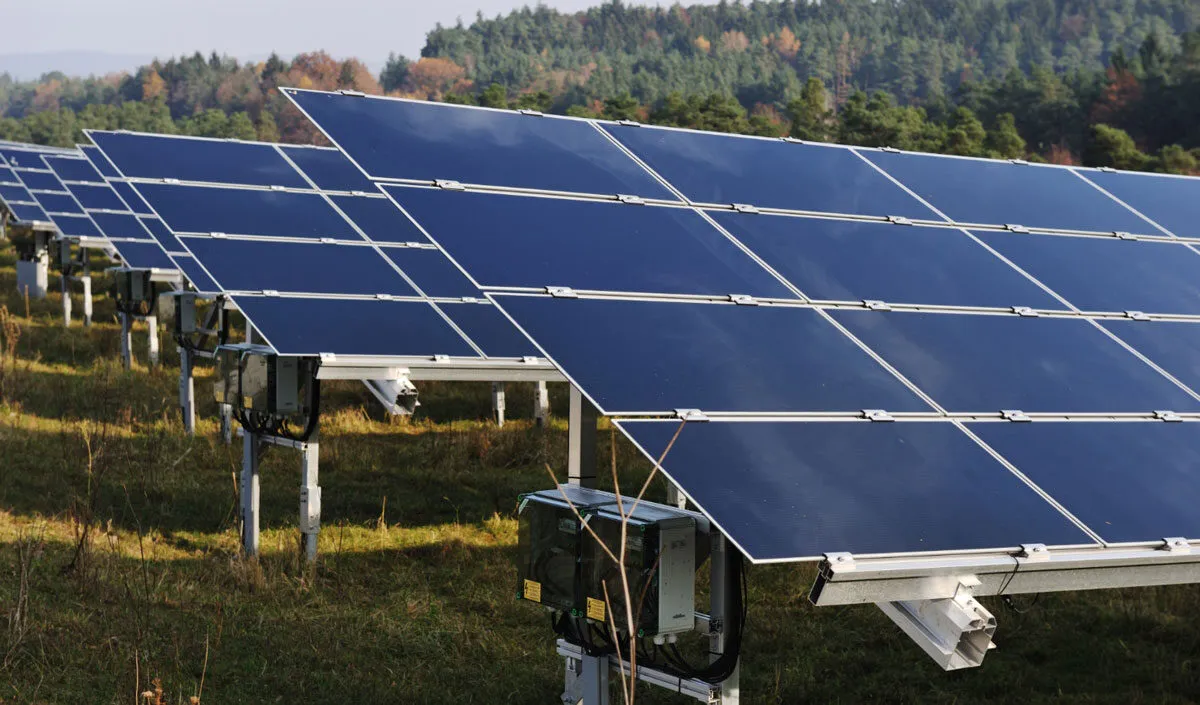
The role of wind energy is equally significant. High wind generation helped partially compensate for the loss of nuclear output, but its dependence on meteorological conditions confirms the need to accelerate the development of energy storage systems and flexible balancing capacity.
In the IDR’s assessment, the current situation goes beyond a purely Romanian energy problem. It demonstrates the emergence of an integrated energy space in the Lower Danube, in which water resources, nuclear and hydropower generation, renewable energy and cross-border grids are becoming increasingly interconnected.
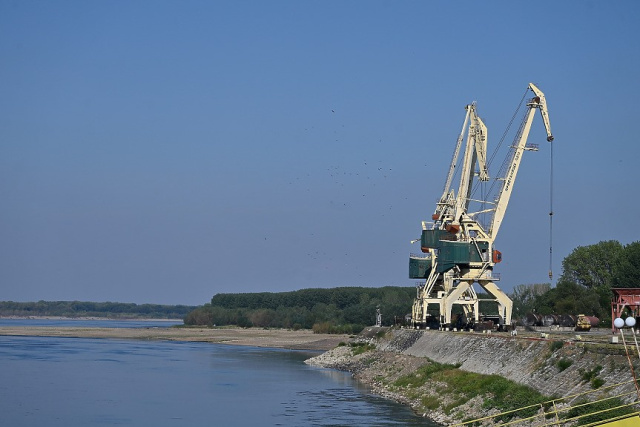
Climate change and periods of extremely low water levels in the Danube are gradually evolving from an environmental issue into a factor affecting energy and economic security. This requires Romania, Bulgaria and other Danube Basin countries to move from responding to individual crises toward joint planning for regional energy resilience.
The Institute of Danube Research considers the situation at Cernavodă further evidence that water and energy security in the Danube region should be addressed as a single interconnected system. Its stability will increasingly depend on the development of energy storage, cross-border interconnections, diversification of generation and coordinated management of risks associated with changes in the Danube’s hydrological regime.

 Bulgaria
 Hungary

 Ukraine
 Moldova
 Serbia

 Danube