

Romania Restarts 70-Year-Old Coal-Fired Power Plant to Stabilise the Energy System
 Romania
05.08.2026
Romania
05.08.2026
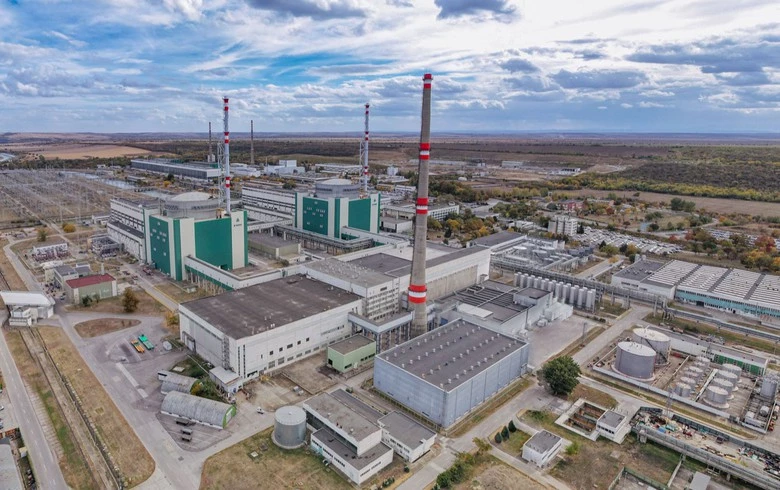
Romania has resumed electricity generation at the Paroșeni thermal power plant, located in Hunedoara County. The facility, whose first units were commissioned around 70 years ago, has been brought back into operation to cover a power deficit and support the stability of the national energy system.
The Paroșeni power plant, which is part of the Valea Jiului Energy Complex, was restarted on 3 August 2026. Its operational generating unit has an installed capacity of 150 MW. Approximately 40,000 tonnes of coal have been stockpiled at the facility, enabling the plant to operate for at least one week.
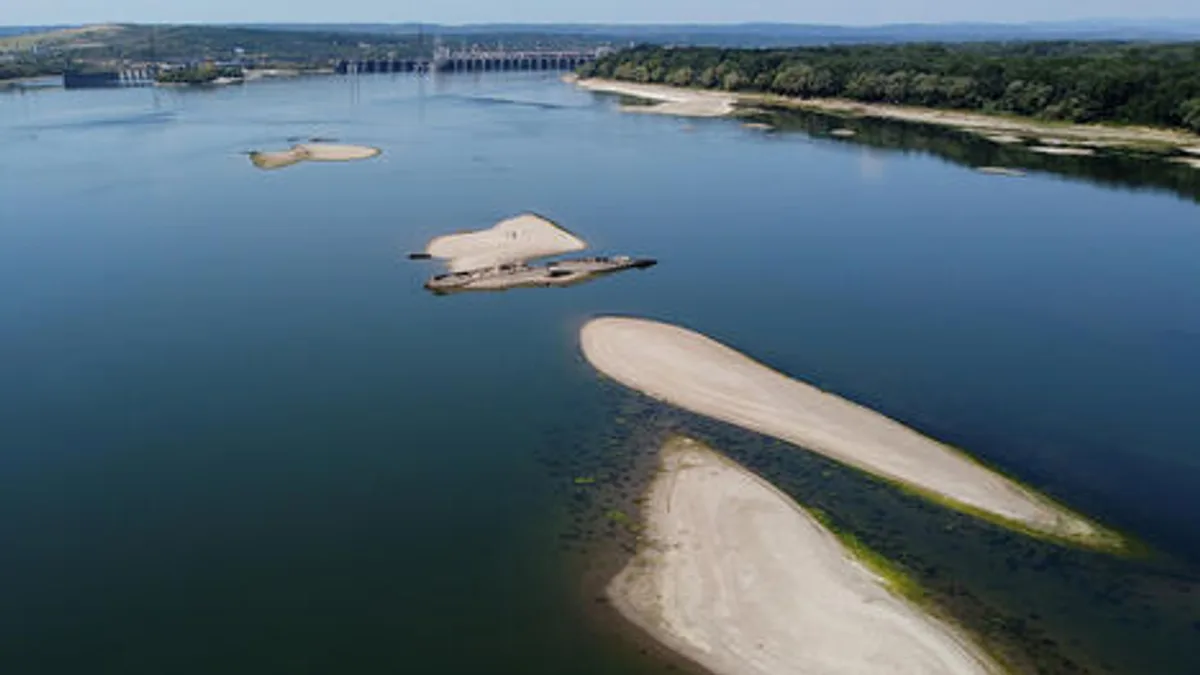
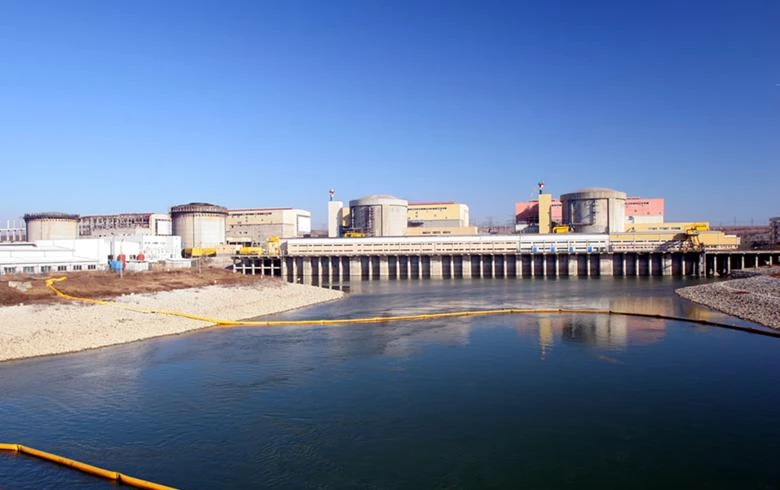
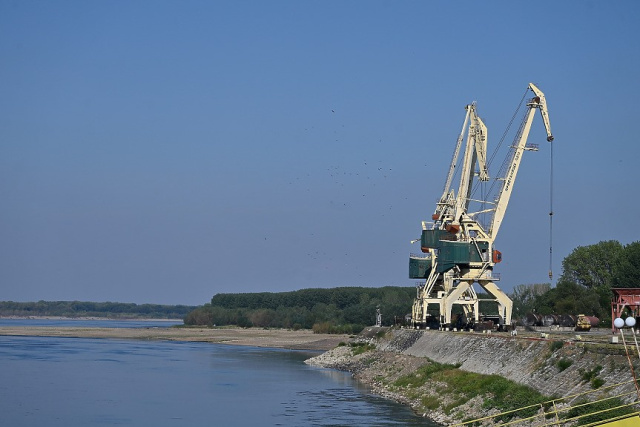
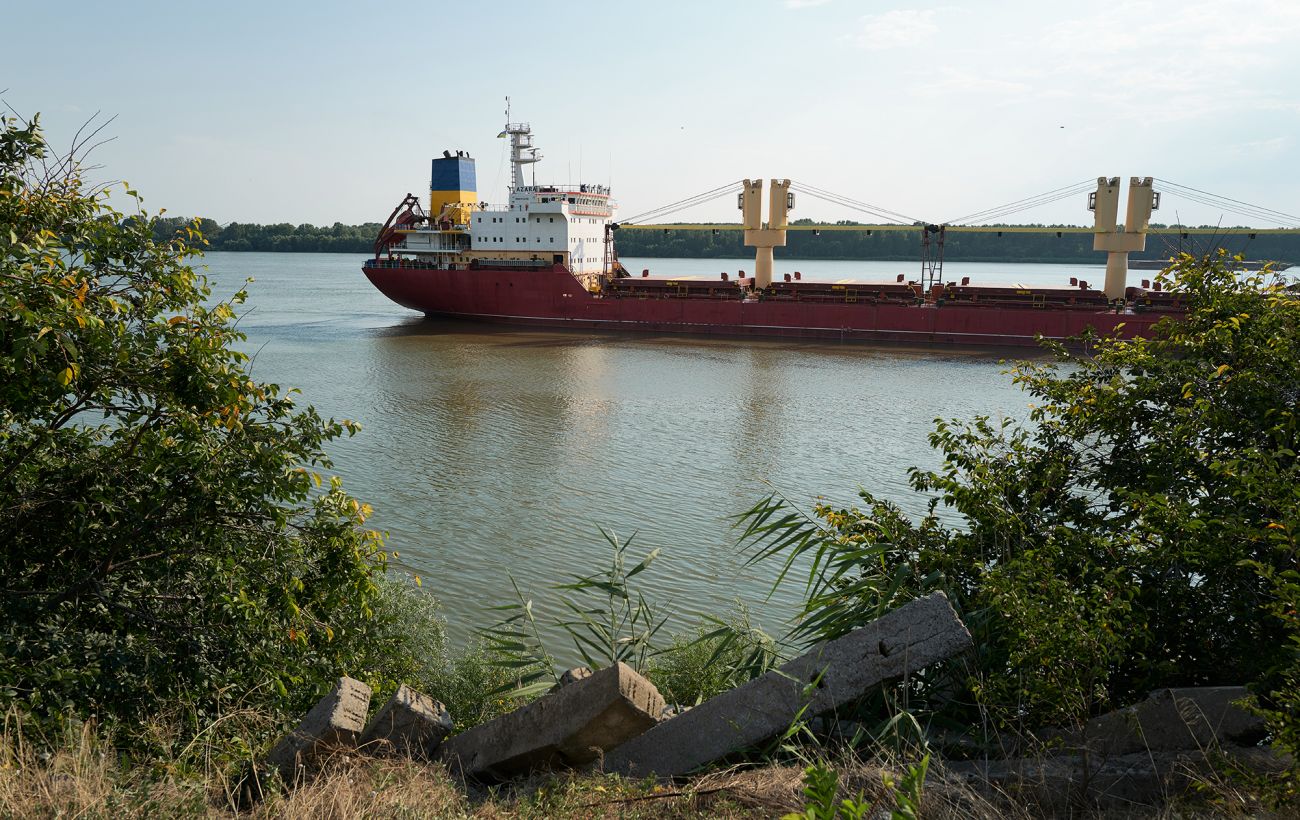
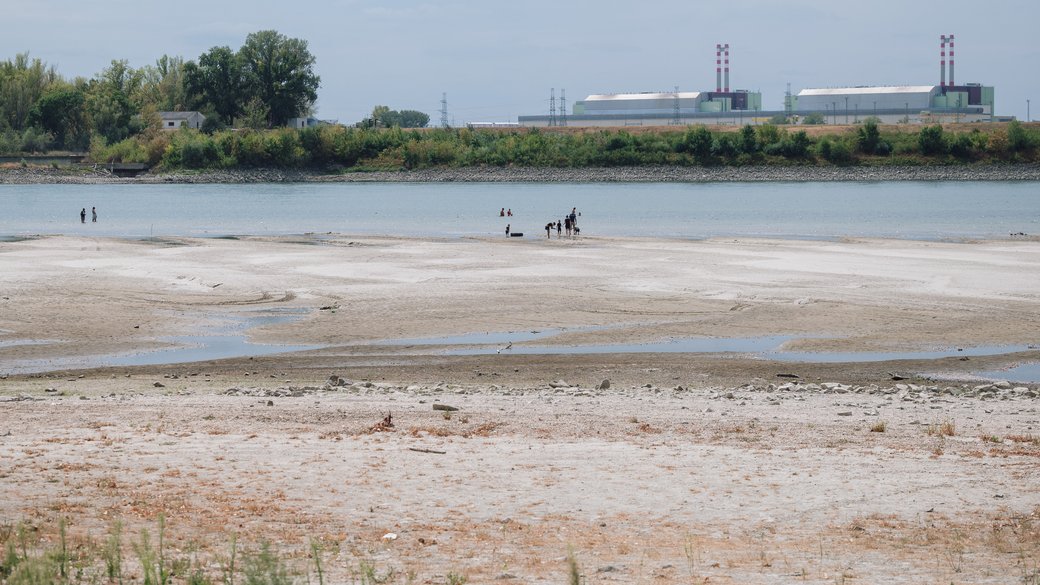
The need for additional generation emerged amid a challenging situation in Romania’s energy sector. Drought and low water levels in the Danube have affected the operation of certain hydropower and nuclear energy facilities, while high summer temperatures have increased electricity consumption. Under these conditions, system operators have been forced to activate reserve and dispatchable capacity, including coal-fired generating units.
The Paroșeni plant was built in the mid-1950s to use hard coal extracted in the Jiu Valley. Today, the facility operates a modernised 150 MW Unit No. 4. Previous environmental upgrades included flue-gas desulphurisation equipment and the modernisation of ash and slag disposal systems.
Comment by the Institute of Danube Research
The return of the Paroșeni power plant to the national grid highlights the contradiction between strategic decarbonisation objectives and the practical requirements of energy security. Amid a shortage of dispatchable capacity, drought, reduced hydropower generation and delays in commissioning new gas-fired and renewable facilities, Romania is compelled to preserve the option of using coal generation.
This does not necessarily indicate a rejection of the energy transition. Rather, it demonstrates the need to maintain sufficient reserve capacity capable of rapidly compensating for fluctuations in nuclear, hydropower and renewable electricity generation.
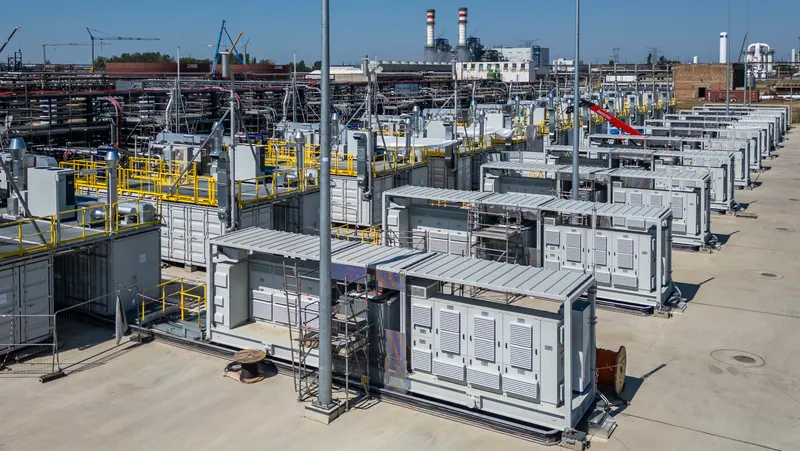
For the countries of the Danube region, this case is particularly significant. Declining Danube water levels are increasingly affecting not only navigation and water supply, but also electricity production. Regional energy policy must therefore combine accelerated decarbonisation with the development of energy-storage systems, the modernisation of cross-border electricity networks and the temporary preservation of reliable dispatchable generation.
The Institute of Danube Research emphasises that climate change is turning the hydrological regime of the Danube into one of the key factors shaping the energy security of Central and South-Eastern Europe. The response should not be limited to the temporary reactivation of ageing facilities. A coordinated regional strategy is required to reconcile the energy transition with the reliability and resilience of electricity supply.

 Bulgaria
 Hungary

 Ukraine
 Moldova
 Serbia

 Danube