

Romania to sink barges in the Danube to keep the Cernavodă nuclear power plant operating
 Romania
07.08.2026
Romania
07.08.2026
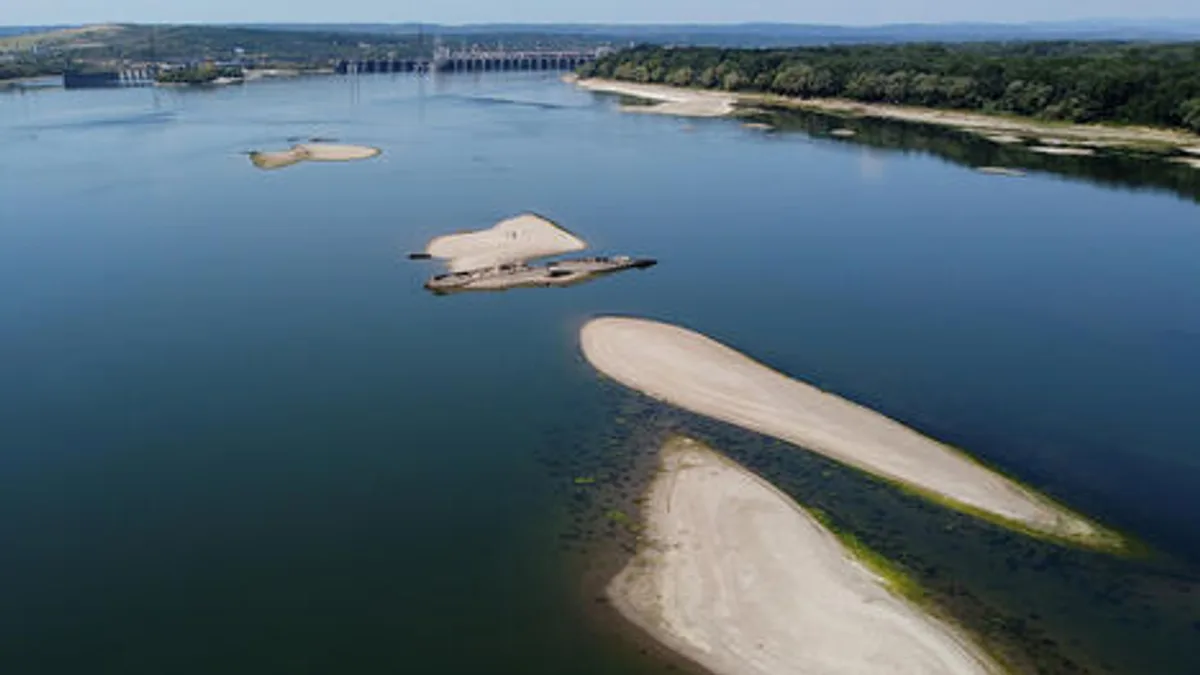
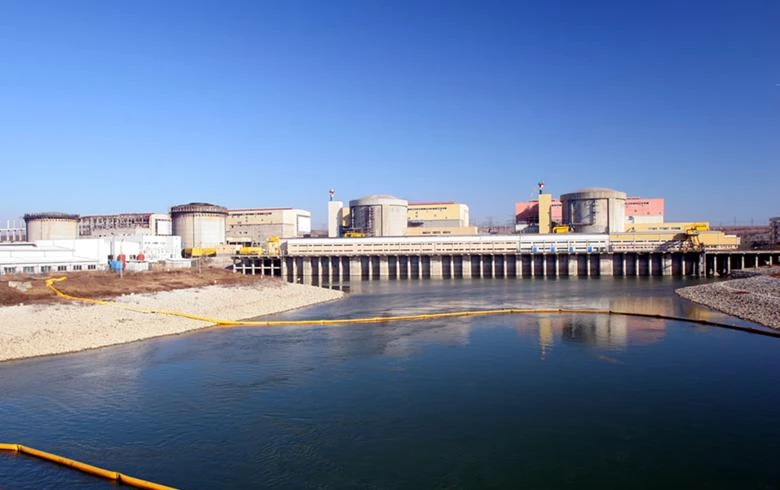
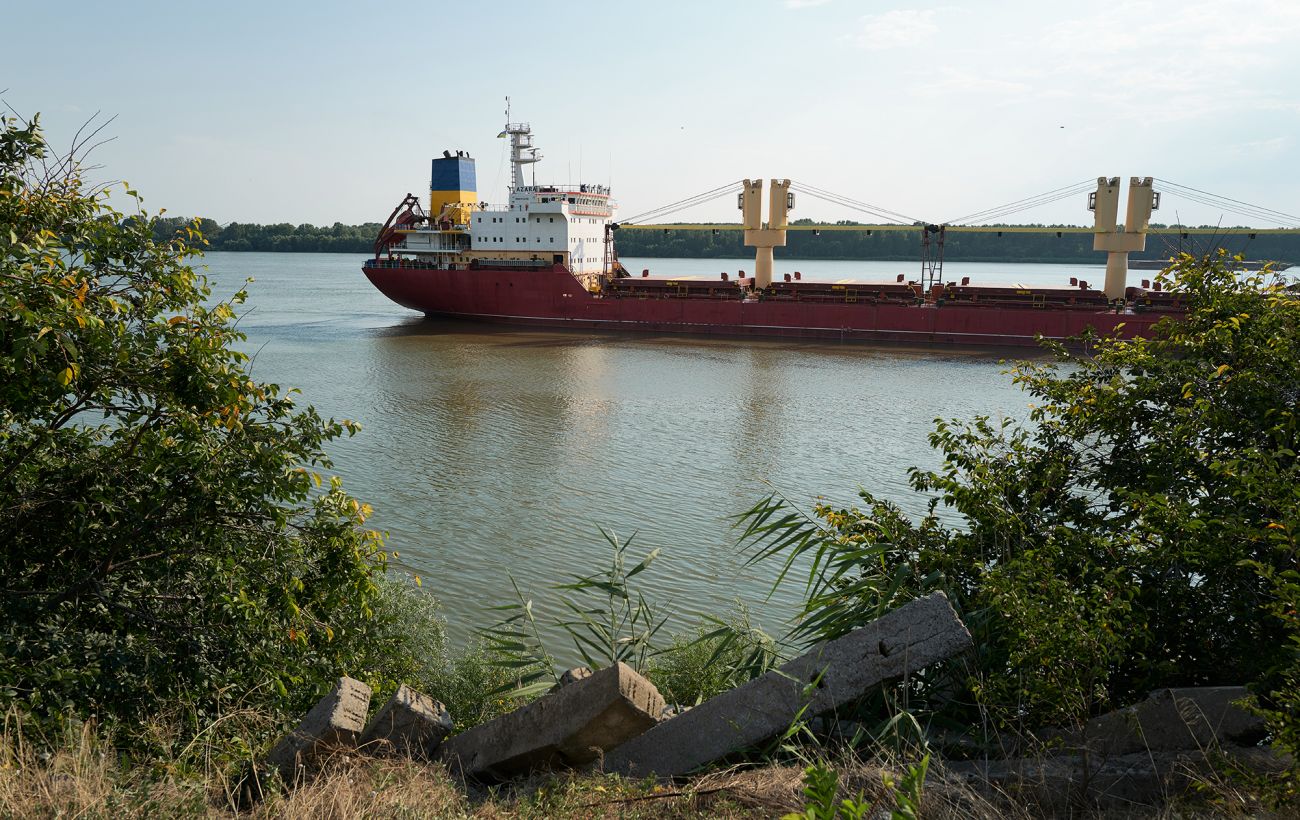
Romanian authorities are preparing to carry out the controlled sinking of four rock-filled barges near the Bala branch of the Danube. The emergency engineering measure is intended to redistribute the river’s flow and direct additional water toward the cooling system of the Cernavodă Nuclear Power Plant.
The barges are expected to form an underwater barrier that will restrict the flow through the Bala branch and increase the volume of water entering the main Danube channel. Preliminary estimates suggest that the intervention could raise the water level near the nuclear plant’s intake by 10–12 centimetres.
The operation was initially scheduled for 6 August but was postponed until 7 August because of difficult and unsafe conditions. Romanian experts describe the controlled sinking of the barges as a technically complex and unprecedented intervention for this section of the river.
This is already the third stage of emergency intervention in the Danube’s hydrological regime. Romanian authorities previously carried out dredging works, while the military conducted controlled explosions of the underwater Pârjoaia rock formation. Some of the resulting rock was used to load the barges.
Only Unit 2 of the Cernavodă plant is currently operating. Unit 1 was shut down because of the critically low water level in the Danube. Plant Director Romeo Urjan warned that, without additional measures, the second reactor might also have to be shut down within five or six days. If the underwater barrier produces the expected redistribution of water, the operating period could be extended to approximately nine or ten days from the time of the intervention.
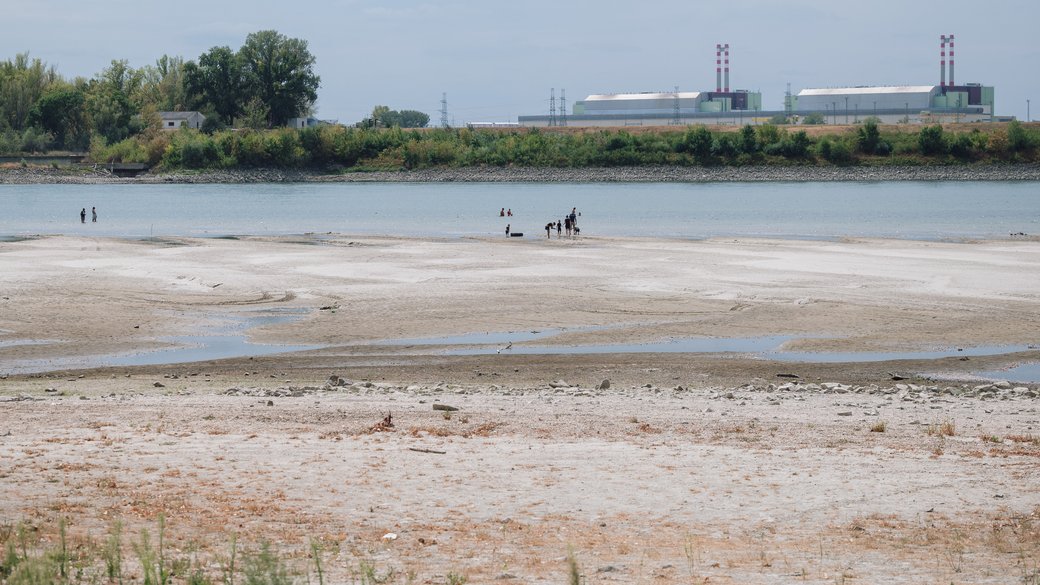
The emergency has been caused by historically low water availability in the Danube. The river’s discharge in Romania has fallen to approximately 1,400 cubic metres per second, compared with a long-term August average of around 3,900 cubic metres per second.
Under normal conditions, the two Cernavodă reactors account for about 20% of Romania’s electricity generation. The shutdown of Unit 2 would therefore result in the complete suspension of nuclear generation at the plant and further aggravate the country’s power deficit. The Romanian government has declared a nationwide energy alert and urged consumers to reduce electricity use during evening peak hours.
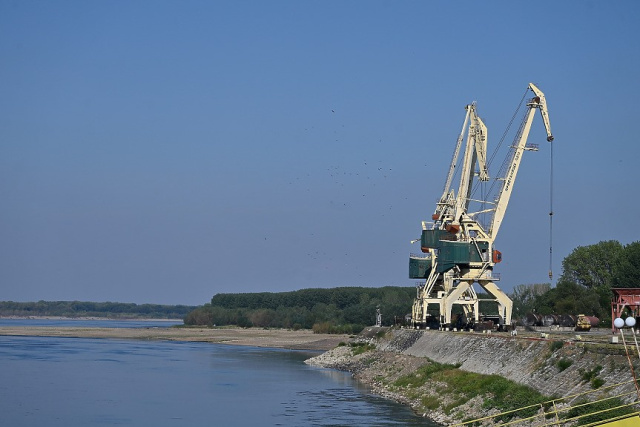
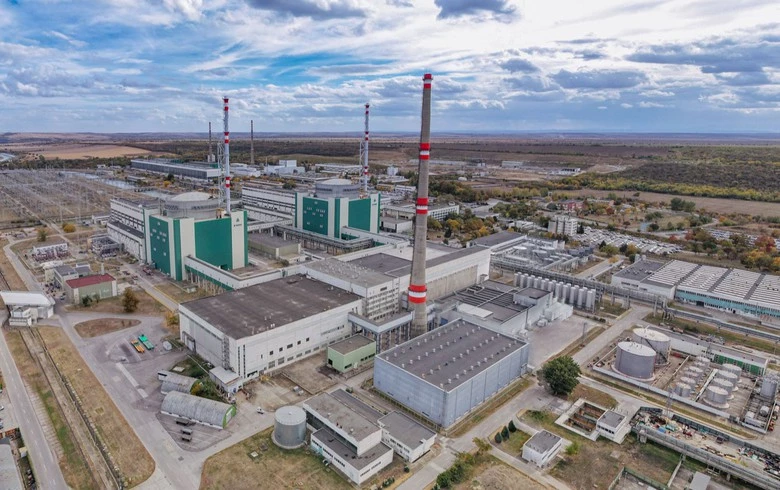
The crisis is regional in scale. Low Danube levels are restricting cooling capacity at Hungary’s Paks nuclear power plant, reducing hydropower generation in Serbia and disrupting the river transport of coal. Slovenia’s Krško nuclear power plant, which uses water from the Sava, a tributary of the Danube, has also been forced to reduce output because of extreme hydrological and meteorological conditions.
Comment by the Institute of Danube Research
The situation surrounding the Cernavodă Nuclear Power Plant demonstrates that low water levels in the Danube are evolving from a predominantly navigational and environmental problem into a direct threat to the energy security of the Danube countries. The controlled sinking of barges may temporarily stabilise the plant’s water supply, but it does not eliminate the structural dependence of major energy facilities on the river’s hydrological regime.
The emergency works also require continuous monitoring of their effects on current velocity, sediment transport, navigable depths and aquatic ecosystems. A local redistribution of the river flow may produce a short-term energy benefit while simultaneously altering morphological processes in adjacent sections of the Danube.
Developments in Romania, Hungary, Serbia and Slovenia confirm the need for a joint Danube-wide system for adapting energy infrastructure to drought and prolonged low-water periods. Such a system should combine basin-wide forecasting, coordinated water-use regimes, modernisation of cooling technologies, energy-storage development and stronger cross-border electricity interconnections.
Without a transition to long-term and coordinated planning, extreme low-water events will increasingly turn the Danube into a source of systemic risk for the energy sector, navigation and the economy of the entire region.

 Bulgaria
 Hungary

 Ukraine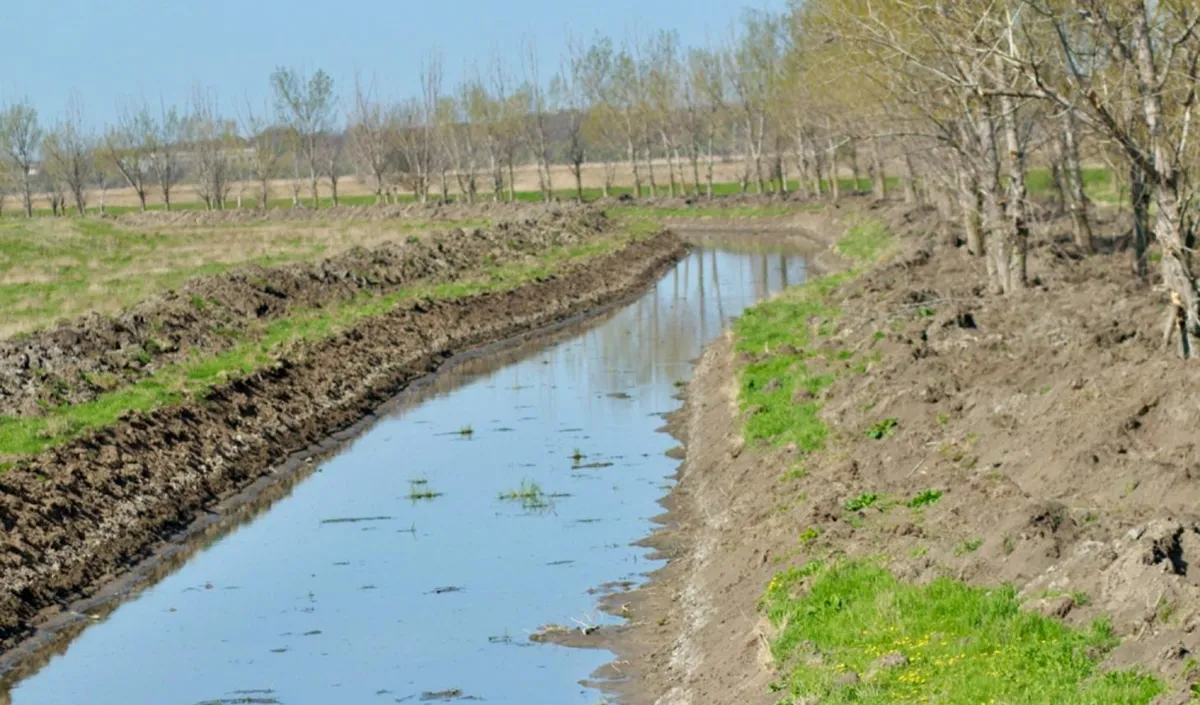
 Moldova
 Serbia

 Danube