

Romanian company JT Grup Oil to build a new fuel terminal on the Danube
 Ukraine
07.08.2026
Ukraine
07.08.2026
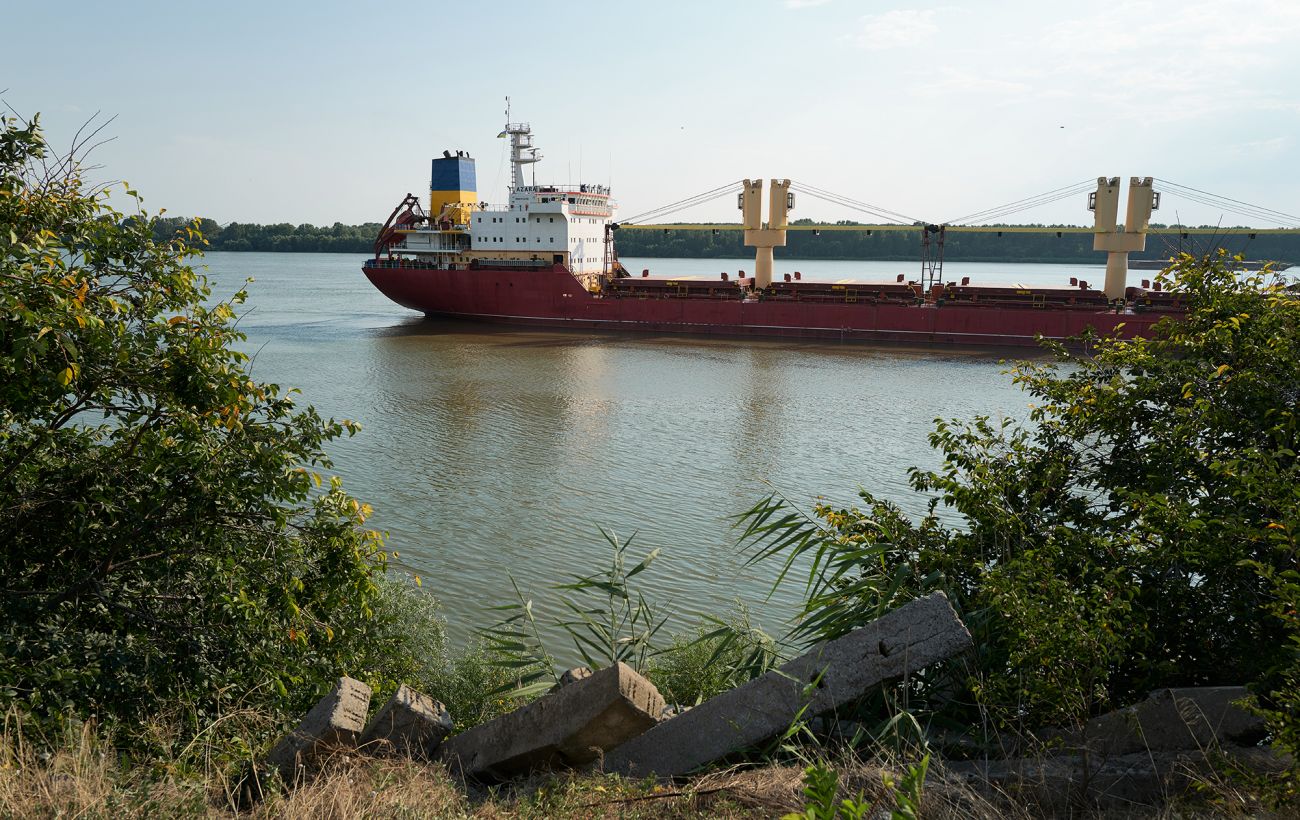
Romanian company JT Grup Oil has received a construction permit for a new petroleum products terminal at the Tișovița–Dubova port area near Orșova, Mehedinți County. The company disclosed the information in a report published through the Bucharest Stock Exchange.
The project provides for the construction of four above-ground storage tanks for liquid fuels, along with the technological installations and infrastructure required for the operation of the facility. The future terminal is expected to have a storage capacity of around 4,000 tonnes and an annual throughput capacity of up to 100,000 tonnes.
The new facility will become the second component of JT Grup Oil’s logistics strategy after the company’s large-scale terminal in the Port of Constanța.
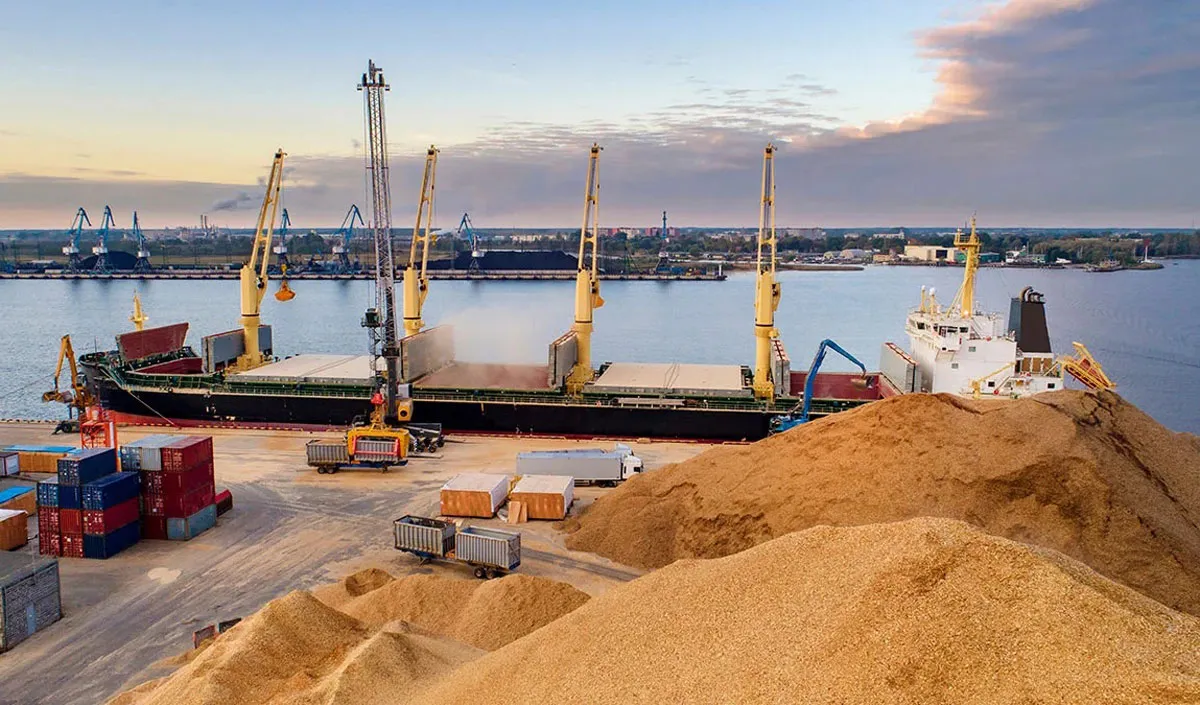
JT Grup Oil plans to develop an integrated Black Sea–Danube logistics platform serving the markets of Romania, Hungary, Serbia, Austria and Ukraine. The system is intended to combine the maritime logistics capabilities of Constanța with the transport potential of the Danube corridor.
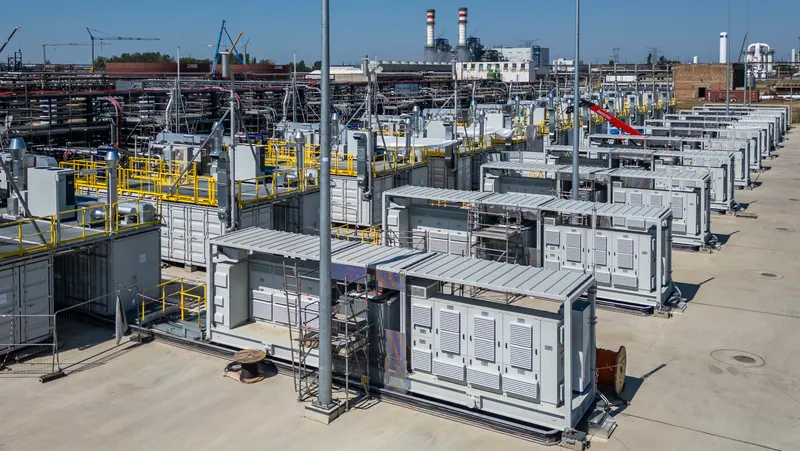
At the same time, JT Grup Oil has completed technological testing of its new petroleum products terminal in the Port of Constanța. Investment in the facility amounts to approximately RON 150 million. The company plans to begin operations in October 2026 after completing the necessary administrative procedures and obtaining all required permits.
The Constanța terminal is expected to become one of JT Grup Oil’s key assets in regional fuel logistics. The facility includes eight storage tanks with a combined capacity of approximately 31,500 tonnes and is designed to serve maritime, rail and road transport.
Comment by the Institute of Danube Research
The Institute of Danube Research notes that the construction of a new fuel terminal on the Danube has significance beyond an individual investment project. In practical terms, it represents another element in the development of an energy and logistics corridor linking the Black Sea with Central Europe.
The Constanța–Danube–Orșova axis makes it possible to combine seaborne petroleum product deliveries with inland waterway transport and further access to the markets of Serbia, Hungary and Austria. In the longer term, such a model can contribute to the diversification of fuel supply routes and reduce dependence on individual transport corridors.
The project is also of practical importance for Ukraine. Since 2022, Romania’s transport and energy infrastructure has played a considerably greater role in supporting fuel supplies to the Ukrainian market. The development of additional capacity along the Black Sea–Danube axis creates opportunities for establishing alternative and mutually substitutable supply routes.
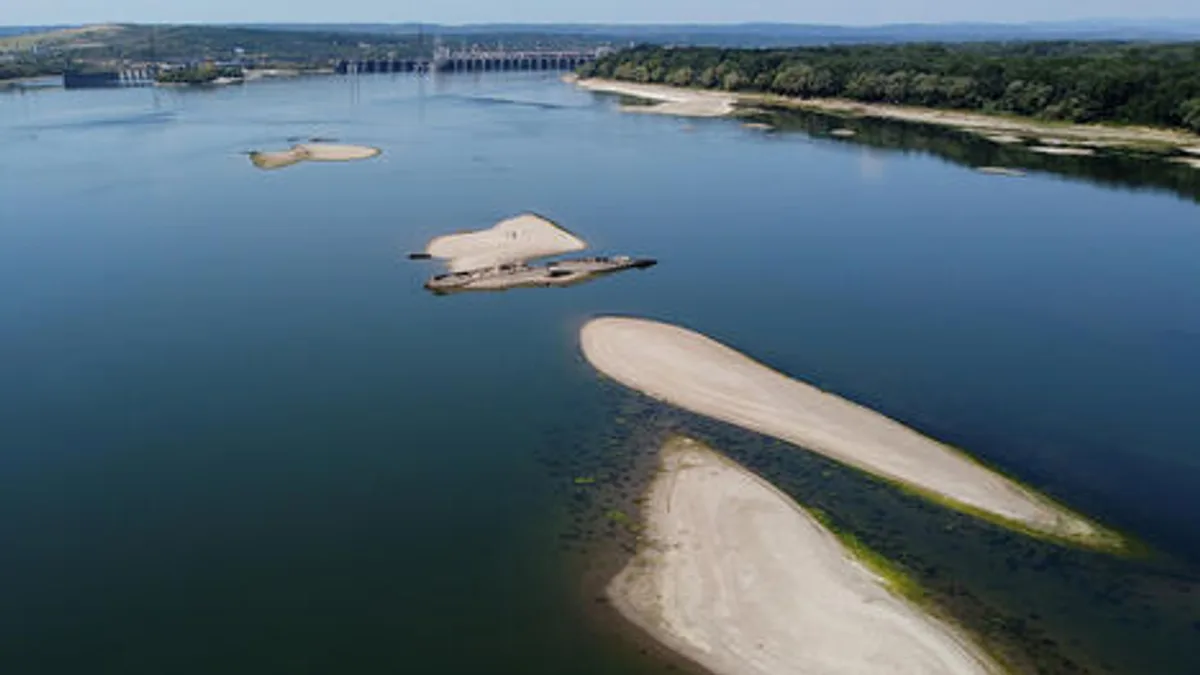
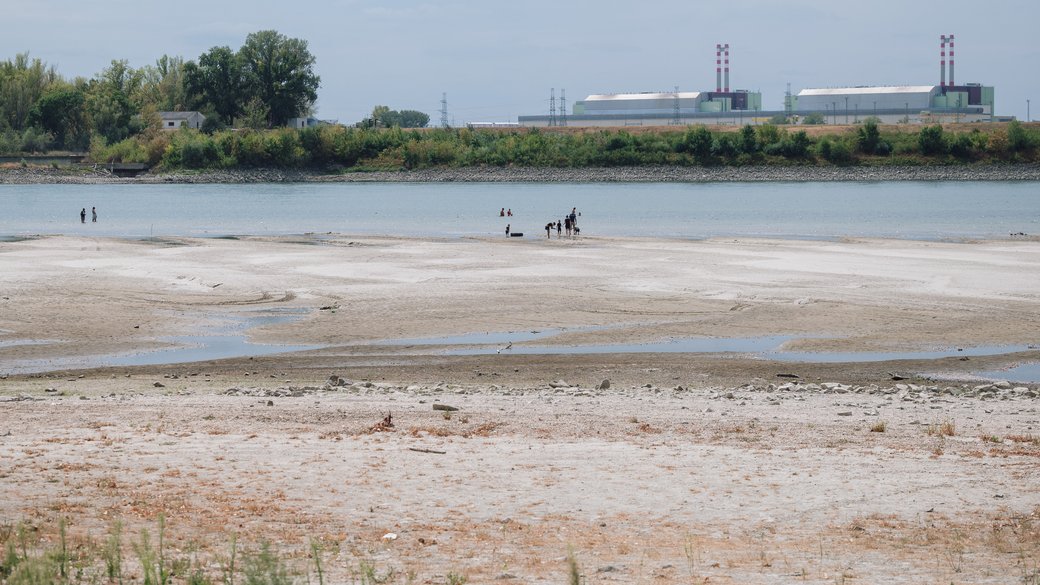
At the same time, current challenges related to Danube water levels demonstrate that new terminal capacity should be developed within a multimodal logistics model. Inland waterway transport needs to be integrated with rail and road routes, as climate variability is increasingly affecting guaranteed navigational depths and the capacity of European inland waterways.
JT Grup Oil’s investment can therefore be viewed as part of a broader trend: the Danube is strengthening its role not only as a transport corridor but also as an energy corridor for Central and South-Eastern Europe, while the integration of Danube infrastructure with the Port of Constanța is becoming an increasingly important factor in regional logistics resilience.

 Bulgaria
 Hungary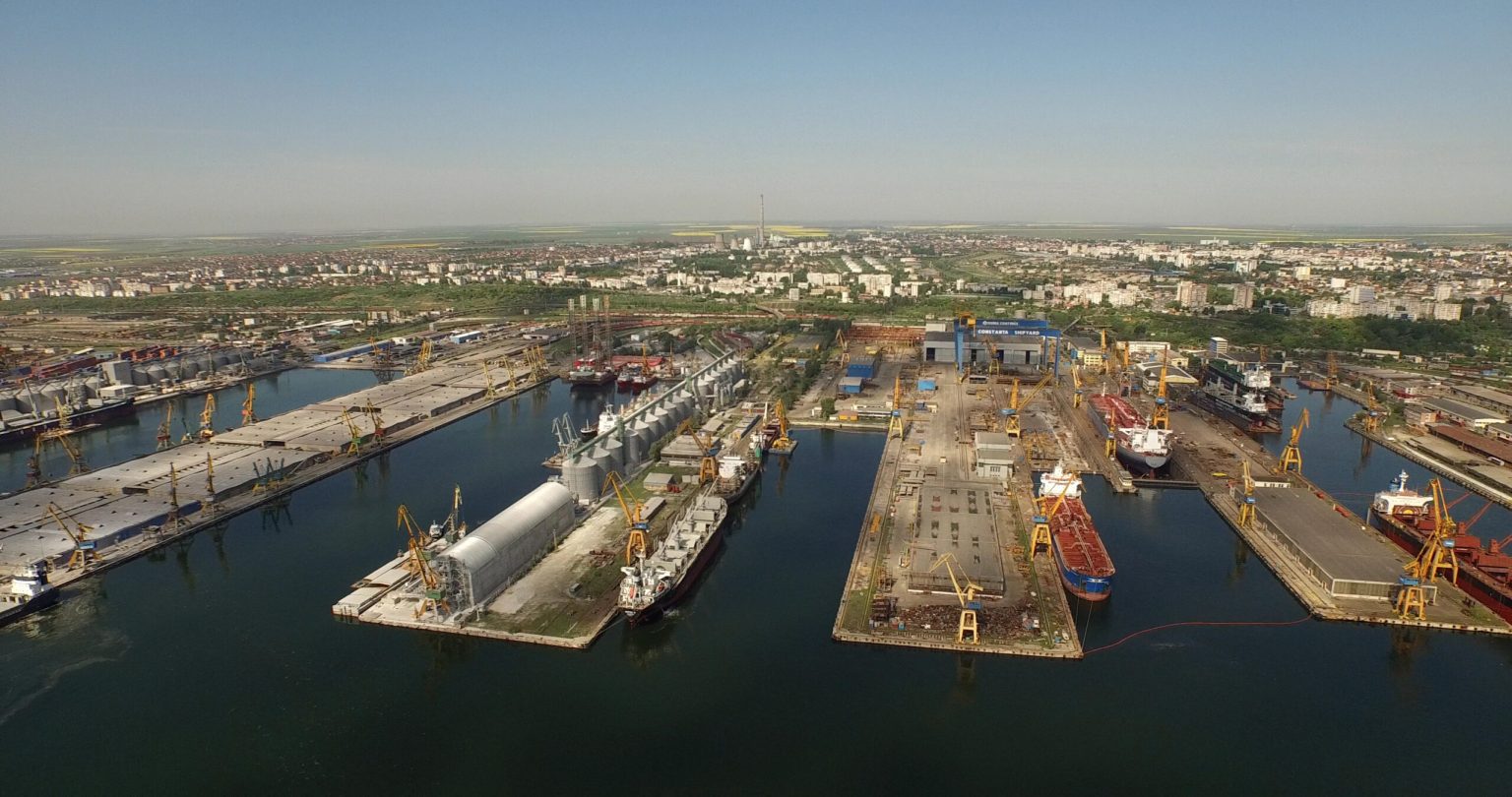
 Romania
 Moldova
 Serbia

 Danube