

Serbia launches the second phase of a biomass project supported by KfW, the EU and the German government
 Serbia
02.07.2026
Serbia
02.07.2026
Serbia is launching the second phase of a project aimed at developing the country’s biomass market and modernizing district heating systems. The project is supported by the German development bank KfW, the European Union and the German government.
The total value of the second phase is €31.9 million. Its implementation will continue until 2029 and will include the construction and reconstruction of district heating systems in Prijepolje, Novi Pazar, Knjaževac and several other Serbian towns.
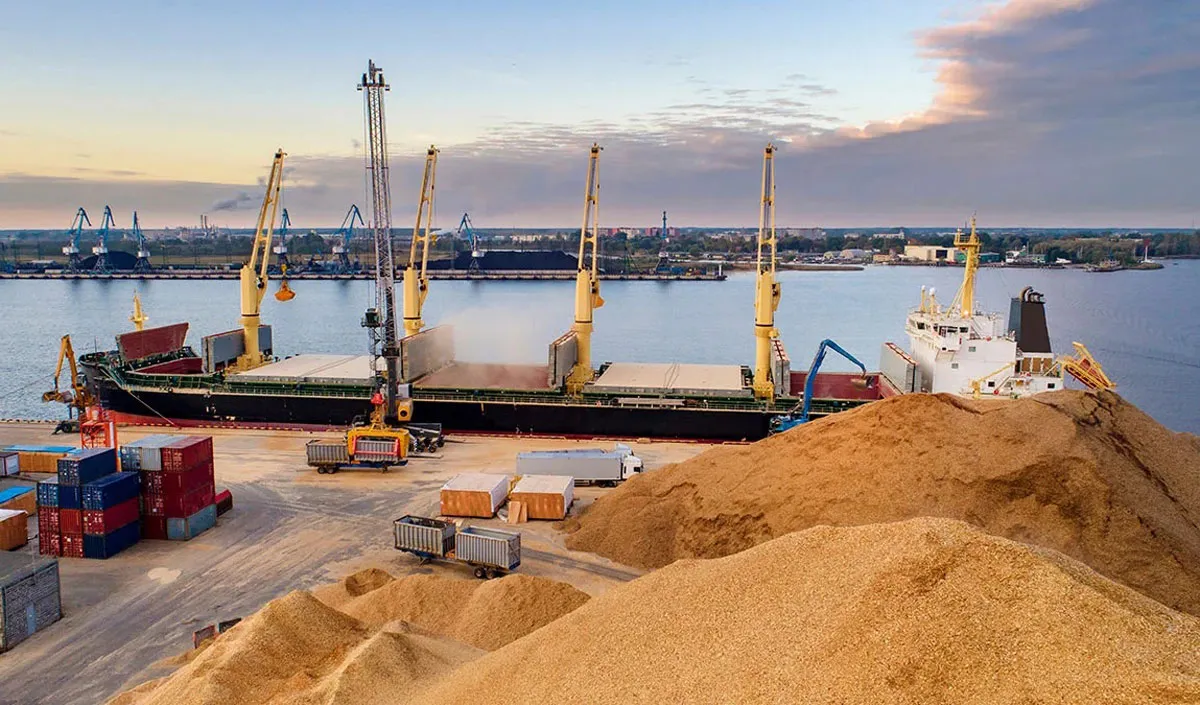
In Prijepolje, the project provides for the construction of a new heating plant with a 6 MW biomass boiler, around 3,255 metres of distribution network, the modernization of 43 substations, and equipment for woodchip production.
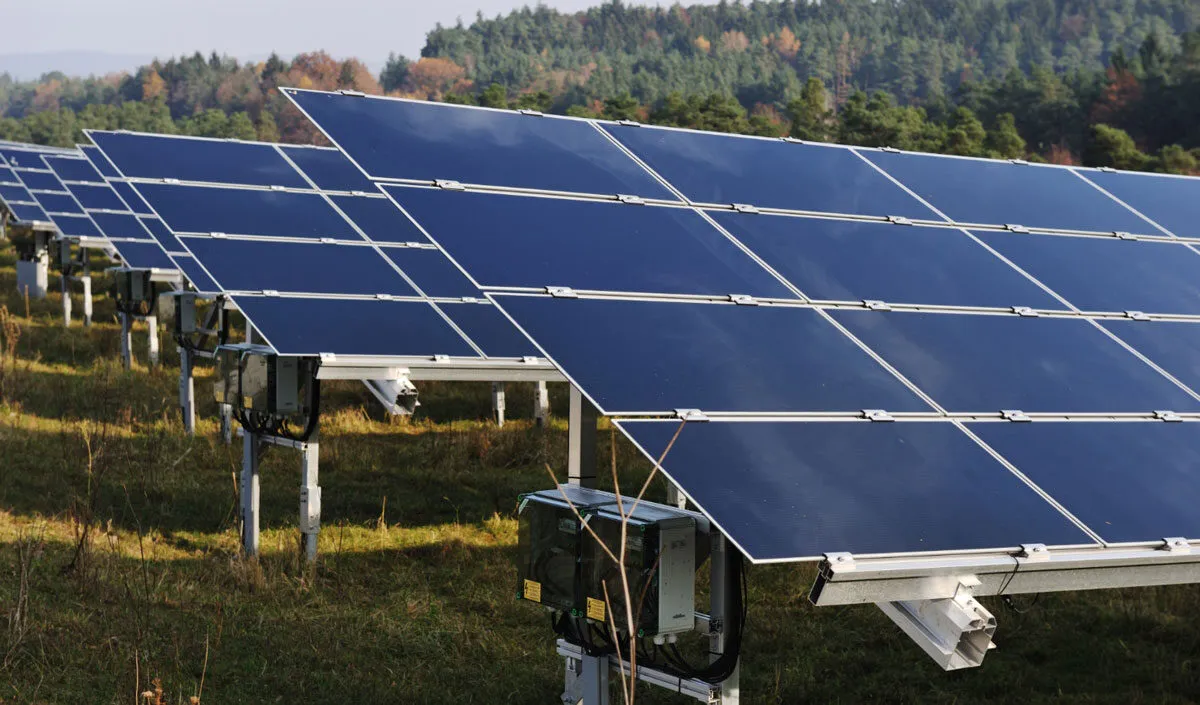
In Novi Pazar, the existing heating plant is being expanded with a new 5 MW boiler and a solar power plant. This approach demonstrates a gradual transition from traditional fossil fuels to combined local models of renewable heat supply.
The second phase is expected to generate around 55,000 MWh of renewable energy annually and reduce greenhouse gas emissions by approximately 20,000 tonnes of CO₂ equivalent per year.
The financing structure for the second phase includes a €20 million loan from KfW, a €9.9 million EU grant, and a €2 million grant from the German government.
The first phase of the project was implemented during 2018–2024 and had a total value of €27 million. It included the commissioning of biomass heating plants in Mali Zvornik, Priboj, Novi Pazar and Majdanpek. The first phase was financed through a €20 million KfW loan, a €2 million KfW grant, and a €5 million grant from Switzerland.
Comment by the Institute of Danube Research
The second phase of Serbia’s biomass development project is an important example of practical modernization of municipal energy systems in South-Eastern Europe. It is not only about replacing fossil fuels with renewable energy sources, but also about the structural renewal of district heating systems, many of which require technological reconstruction and improved efficiency across the region.
Of particular importance is the fact that the project combines several components: the construction of biomass boiler plants, modernization of heating networks, upgrading of substations, development of a local feedstock base, and integration of solar generation. Such a comprehensive approach makes it possible not only to reduce CO₂ emissions, but also to build a more resilient model of local energy supply based on regional resources.
For Serbia, this project is significant in the context of the energy transition, climate commitments and gradual alignment with European Union standards. Support from KfW, the EU and the German government indicates that the modernization of heating systems in the Western Balkans is viewed as part of a broader European policy of decarbonization and energy security.
For Ukraine, Serbia’s experience is also of practical relevance. In the process of post-war recovery, Ukrainian communities will need not only to rebuild damaged infrastructure, but also to move toward more efficient, localized and resilient heating systems. The use of biomass, especially in communities with available forestry, agricultural or woodworking resources, may become one of the ways to reduce dependence on natural gas and strengthen local energy autonomy.
The Institute of Danube Research believes that the Serbian example reflects an important trend for the wider Danube-Balkan region: municipal energy systems are gradually moving from a model of centralized dependence toward a model of local resilience, where renewable energy sources, international financing and the capacity of communities to manage their own energy infrastructure play a key role.

 Bulgaria
 Hungary
 Romania
 Ukraine
 Moldova


 Danube