

Slovenia’s 700 MW Krško Nuclear Power Plant Returns to Full Capacity
 Danube
20.08.2026
Danube
20.08.2026
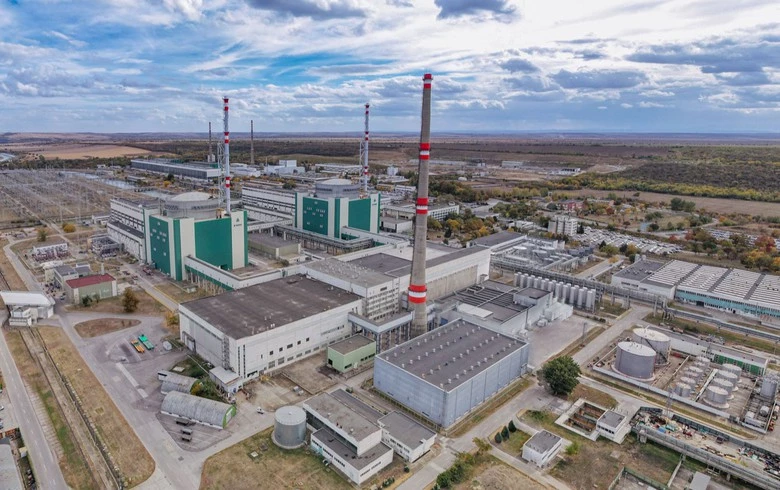
Slovenia’s only nuclear power plant, Krško NPP, has returned to full capacity after nearly two weeks of restrictions caused by prolonged heat, drought and unfavourable hydrological conditions on the Sava River.
On the evening of 18 August, the operator Nuklearna Elektrarna Krško (NEK) increased reactor output back to 100%. This became possible after lower air temperatures, some rainfall and a decline in the temperature of the Sava River.
Earlier this month, conditions had been considerably more difficult. On 6 August, reactor output was reduced to 80% due to a combination of prolonged heat, low river flow and elevated water temperatures. Last week, as conditions improved slightly, the plant increased output to 90%, and it has now resumed full operation.
Hydrological conditions, however, have not yet fully normalised. The Sava River remains warm, and the plant continues to rely extensively on its cooling towers to reduce the amount of river water needed for cooling.
Krško has a net electrical capacity of around 700 MW and plays an important role in the power supply of both Slovenia and Croatia.
Comment by the Institute of Danube Research
The return of Krško NPP to full capacity is a positive development for the regional electricity system, but it does not eliminate the systemic problem highlighted particularly clearly by this summer’s low-water conditions.
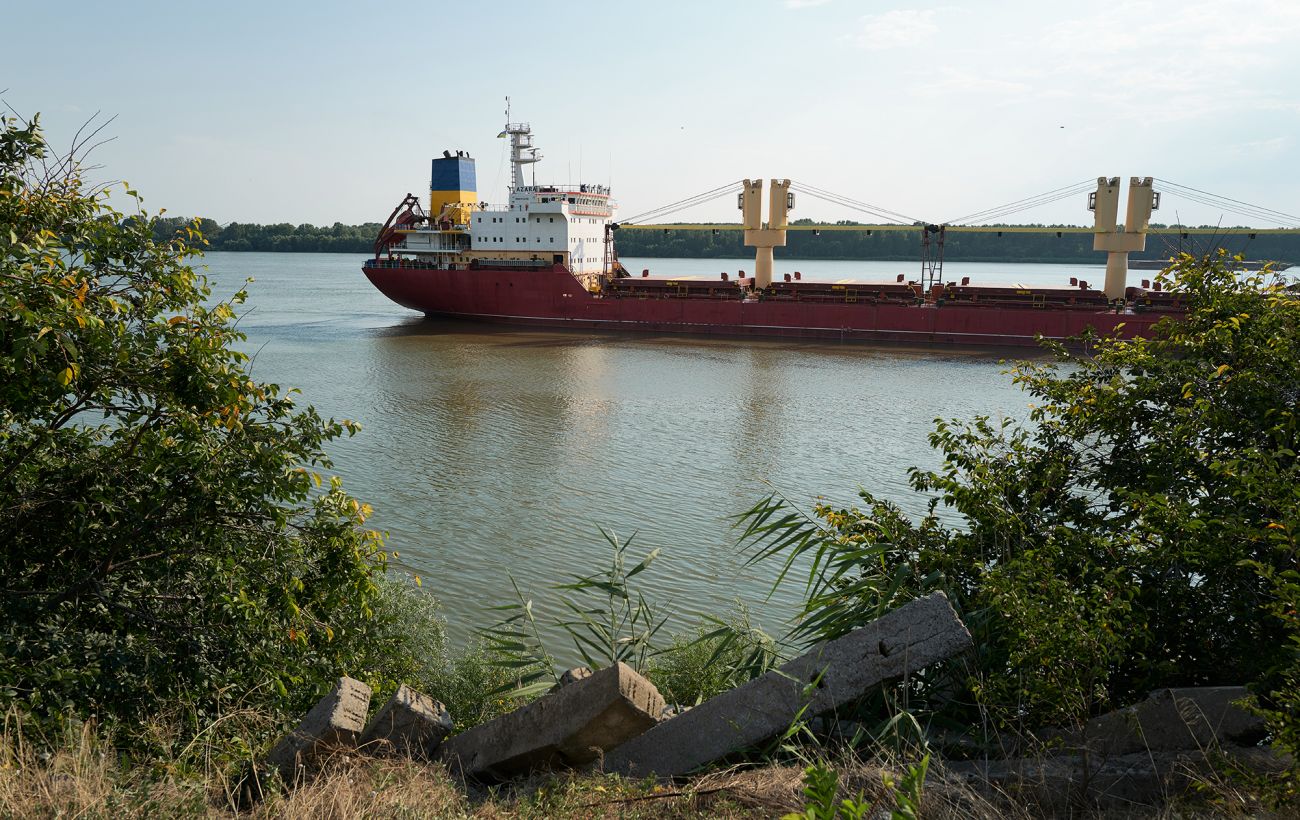
The Sava is one of the major tributaries of the Danube, which means that developments at Krško should be viewed within the broader hydrological context of the Danube basin.
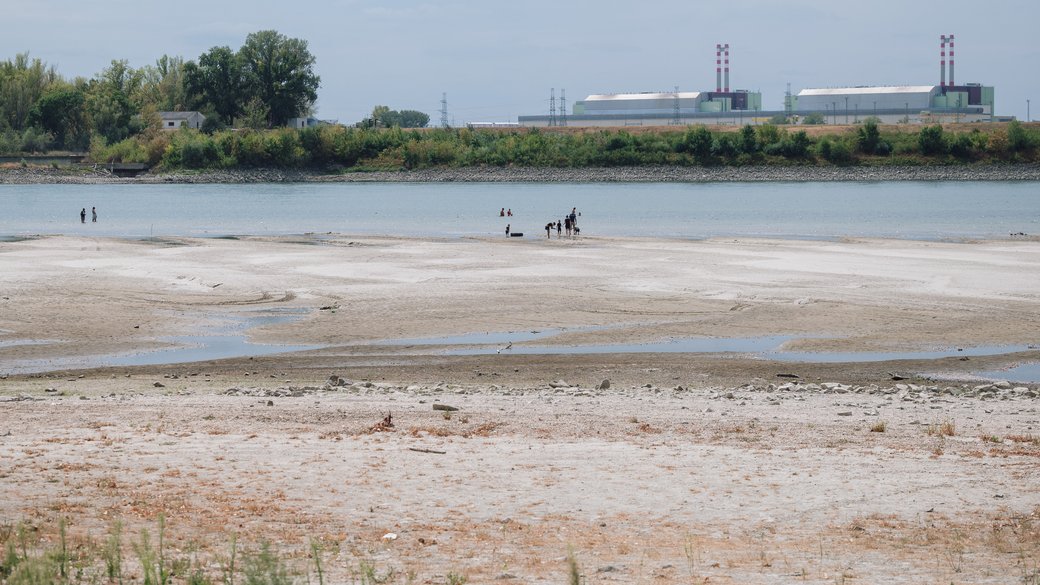
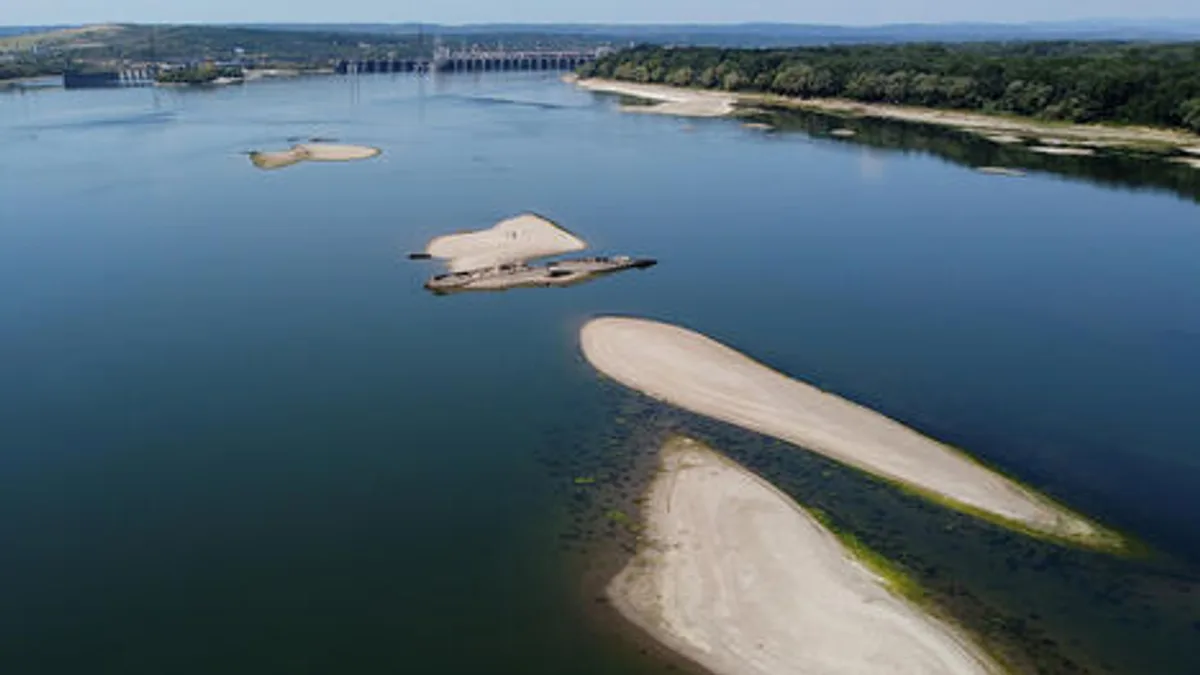
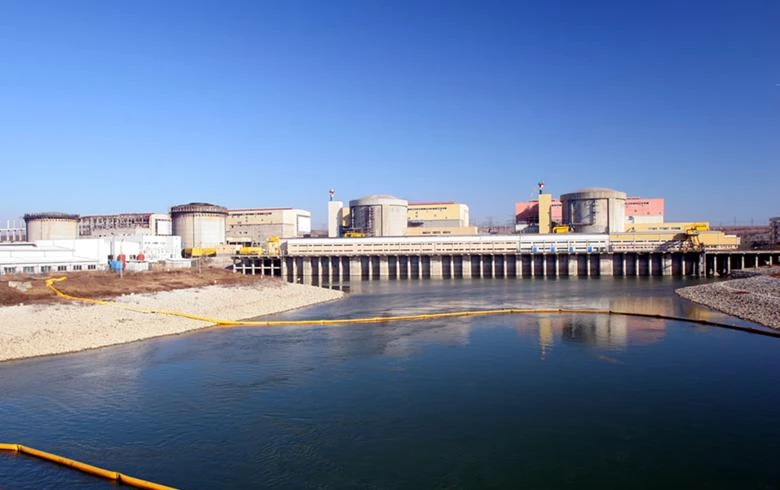
In August, low river levels and elevated water temperatures affected several nuclear power plants across Central and South-Eastern Europe. In Hungary, restrictions affected Paks NPP; in Romania, critically low Danube levels created difficulties for Cernavodă NPP; and in Slovenia, high temperatures in the Sava forced Krško to reduce generation.
This indicates that the region is dealing not merely with isolated local incidents, but with a growing dependence of energy security on river discharge and water temperature across the Danube basin.
The Krško case also demonstrates the importance of technological adaptation. Cooling towers allow the plant to significantly reduce its dependence on direct river water intake and maintain production under difficult hydrological conditions. Nevertheless, during periods of extreme heat, even this technological buffer may be insufficient to sustain maximum output.
According to the Institute of Danube Research, the events of summer 2026 should prompt a reassessment of long-term energy planning across the Danube basin. Assessments of the reliability of nuclear and thermal generation should take into account not only projected electricity demand, but also scenarios involving prolonged droughts, declining river flows and rising water temperatures.
Krško’s return to full capacity indicates a temporary improvement in conditions. However, the broader conclusion of this summer remains unchanged: water security and energy security in the Danube region are becoming increasingly interconnected.

 Bulgaria
 Hungary
 Romania
 Ukraine
 Moldova
 Serbia