

Slovenia’s Krško Nuclear Power Plant Warns of Possible Shutdown Due to Critically Low Water Levels in the Sava River
 Danube
05.08.2026
Danube
05.08.2026
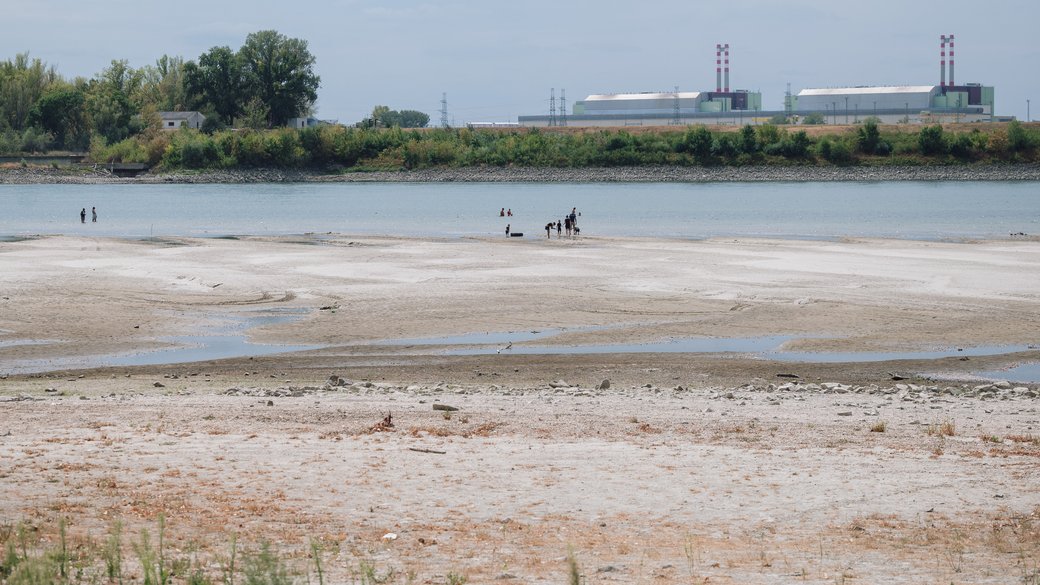
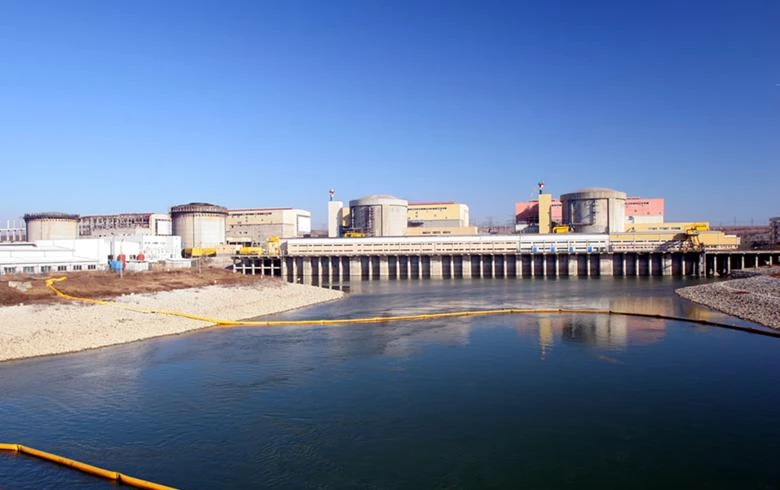
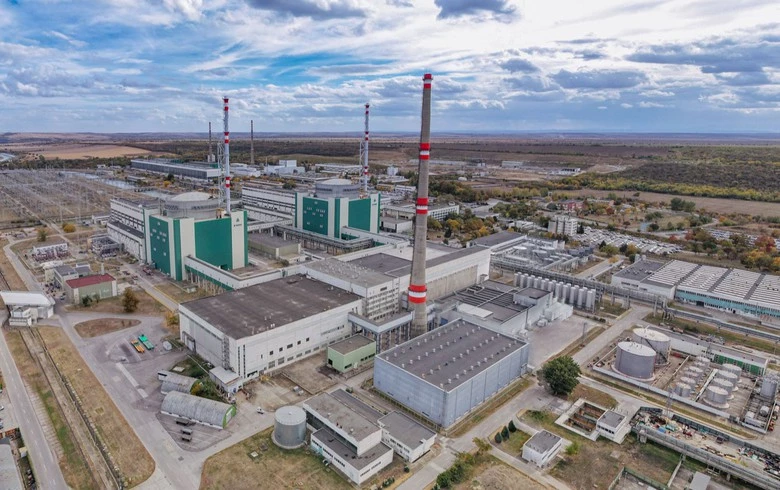
Slovenia’s only nuclear power plant, the Krško Nuclear Power Plant, may be forced to reduce electricity generation and, if hydrological conditions continue to deteriorate, gradually shut down its reactor. The reason is the exceptionally low water level and rising water temperature in the Sava River, which is used to cool the facility.
As of 4 August 2026, the plant continued to operate at full capacity. Its operator, Nuklearna Elektrarna Krško, reported that the facility is actively using cooling towers to provide additional cooling within the tertiary cooling circuit and to comply with environmental restrictions.
However, operating this equipment increases the plant’s internal electricity consumption and reduces its overall generation efficiency. Higher cooling-water temperatures also lower the thermodynamic efficiency of the secondary circuit.
Located near Slovenia’s border with Croatia, the Krško Nuclear Power Plant operates a single pressurised-water reactor with a gross electrical capacity of approximately 730 MW. The facility generates around 5,700 GWh of electricity annually and covers a significant share of electricity demand in both Slovenia and Croatia, which jointly own the plant and divide its output.
Under applicable environmental requirements, the average daily temperature of the Sava River at the point where the cooling water is fully mixed must not exceed 28°C. At the same time, the daily increase in river temperature caused by the plant’s operation must remain below 3°C.
If the Sava’s flow continues to decline and its temperature rises further, the operator may initially reduce electricity output. A complete reactor shutdown would represent the most severe scenario and would be considered if the cooling towers and reduced production were no longer sufficient to meet environmental standards.
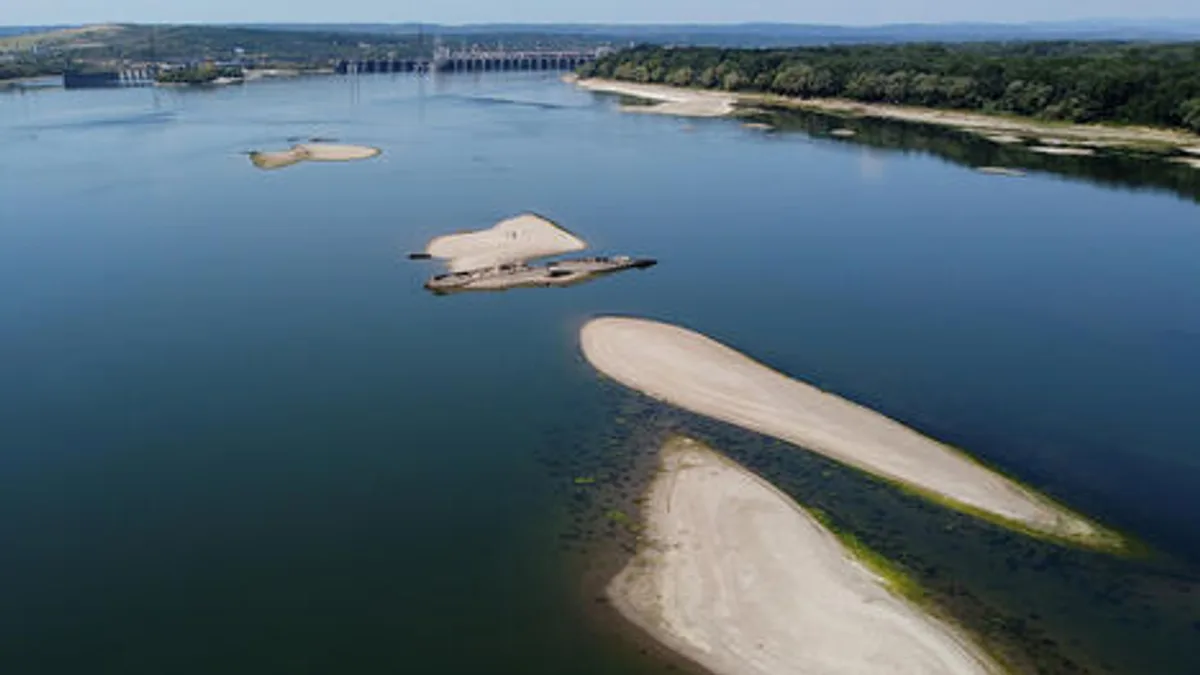
The Sava is the Danube’s largest tributary by water discharge. It flows through Slovenia, Croatia, Bosnia and Herzegovina, and Serbia before entering the Danube in Belgrade. The critically low water level is therefore part of a broader hydrological crisis affecting much of the Danube basin.
Comment by the Institute of Danube Research
The situation surrounding the Krško Nuclear Power Plant demonstrates that low river flows are evolving from a local environmental problem into a systemic threat to the energy security of Central and South-Eastern Europe.
Even nuclear power, which is generally regarded as a stable source of low-carbon electricity largely independent of weather conditions, remains dependent on the availability and temperature of water resources required for cooling.
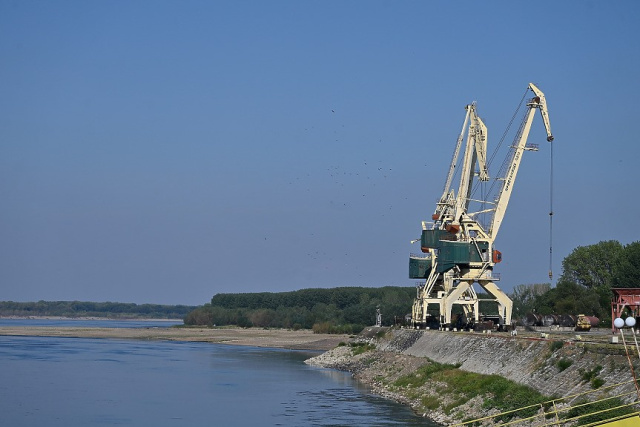
The issue is particularly significant for the Danube basin. Low water levels and high river temperatures may simultaneously affect nuclear, hydropower and thermal generation, while also creating difficulties for navigation, municipal water supply, agriculture and natural ecosystems.
The risks facing the Krško plant confirm that water and energy policies in the Danube countries can no longer be developed separately. River-basin management must take into account the competing requirements of electricity generation, navigation, drinking-water supply, agriculture and environmental protection.
The Institute of Danube Research believes that the countries of the region should establish joint mechanisms for forecasting critically low water levels, coordinating the operation of hydraulic and energy infrastructure, and providing mutual support between national electricity systems during periods of generation shortages.
A strategic response should include the modernisation of cooling systems, wider introduction of closed-cycle and low-water cooling technologies, development of energy-storage capacity and reinforcement of cross-border electricity interconnections.
Without such measures, climate change will increasingly confront the Danube countries with difficult choices between compliance with environmental restrictions, continuity of electricity supply and the stability of their national economies.

 Bulgaria
 Hungary
 Romania
 Ukraine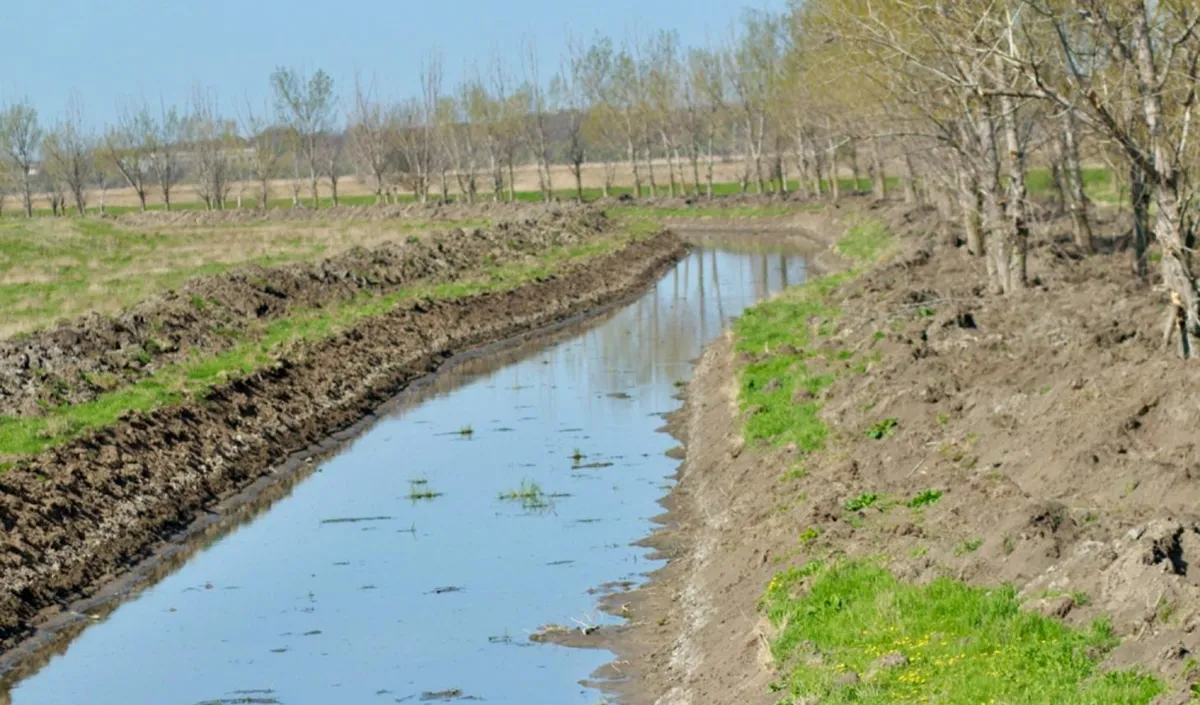
 Moldova
 Serbia