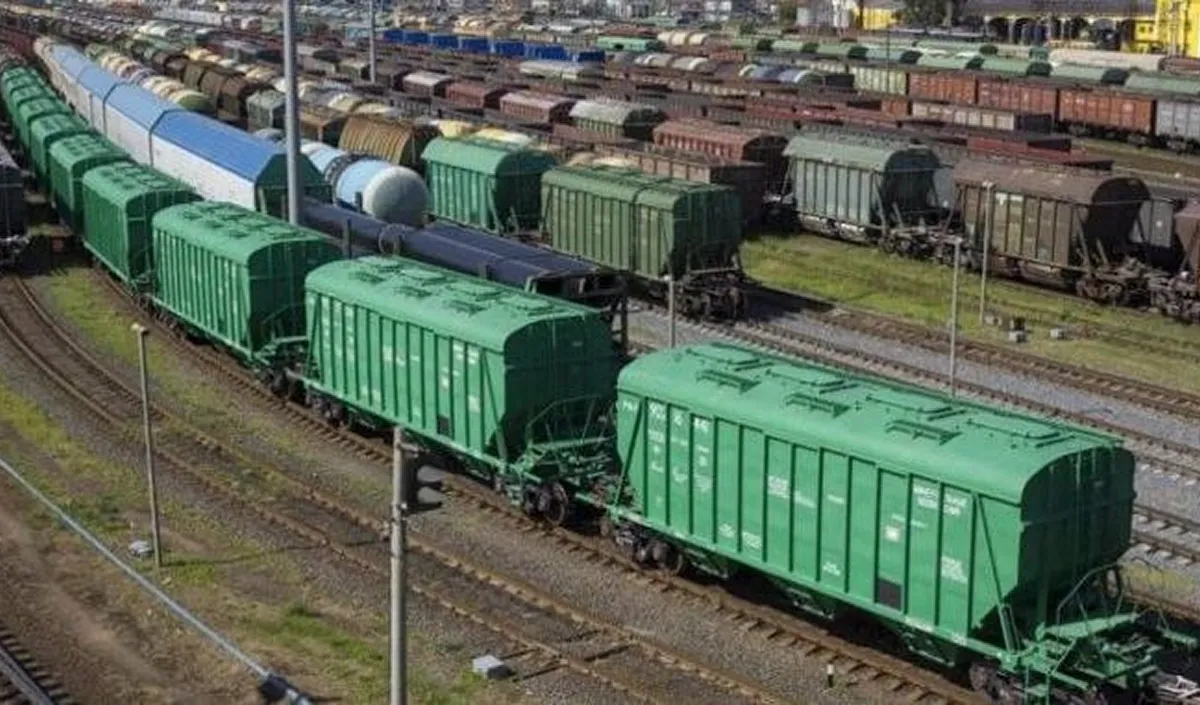


The Danube as a Space for Security and Reconstruction: Belgrade Discusses the River’s Strategic Importance for Ukraine
 Serbia
12.10.2026
On 9 September 2026, the Belgrade Aero Club hosted the “Future of the Danube 2026” forum, bringing together representatives of Serbian state institutions, the diplomatic corps, international organisations and the business community. The event was organised by the Pupin Initiative.
Discussions focused on the Danube’s prospects as one of the key energy, infrastructure, trade and geopolitical corridors in Central and South-Eastern Europe. Participants paid particular attention to its importance for Ukraine’s resilience, European integration and future reconstruction.
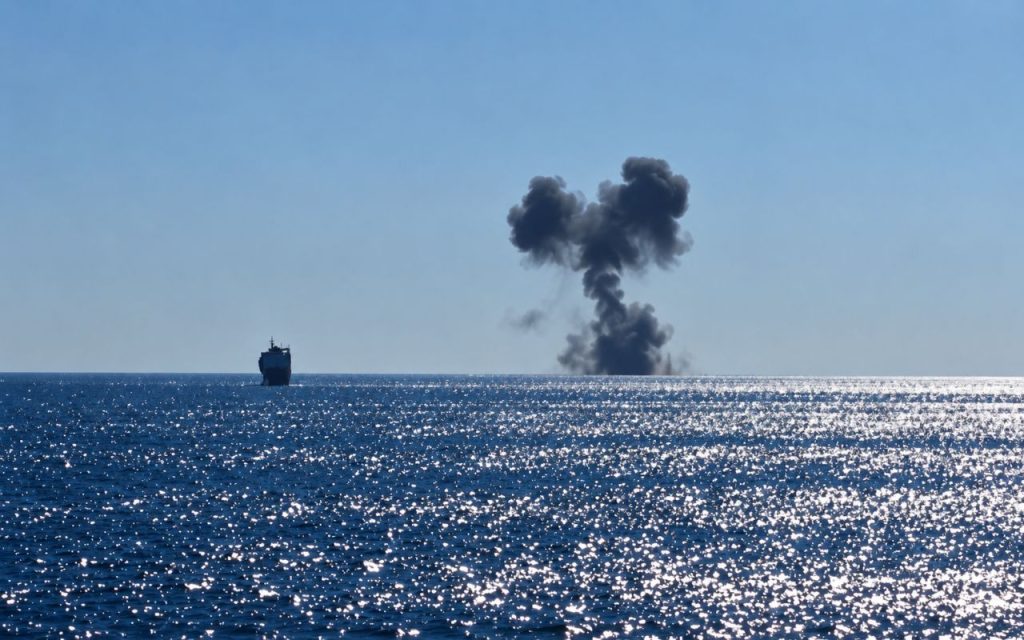
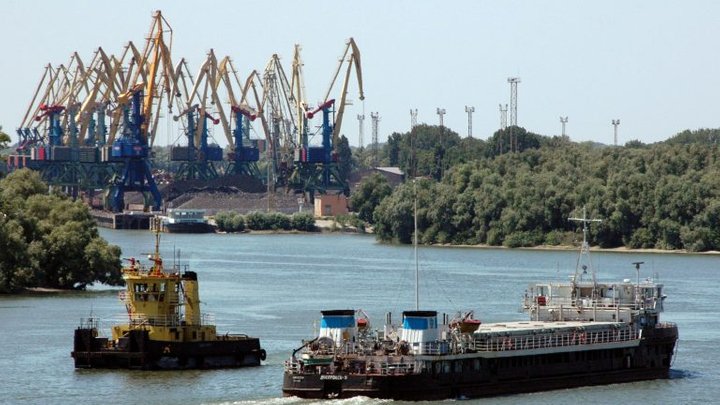
Speaking during a panel discussion, Ukraine’s Ambassador to Serbia, Oleksandr Lytvynenko, emphasised the role of the Danube corridor in supporting Ukrainian foreign trade. Amid Russian aggression and attacks on commercial shipping in the Black Sea, Danube ports have acquired additional strategic significance, providing alternative export routes and sustaining the country’s economic resilience.
Addressing Ukraine’s situation in this format highlights the interdependence of navigational safety, transport infrastructure development and Ukraine’s integration into the European economic area.
Commentary by the Institute of Danube Research
The Danube’s importance for Ukraine should be assessed from a long-term perspective. The Danube corridor could become a key geographical framework for reconstruction, connecting port infrastructure, industrial production, energy projects and cross-border cooperation.
Realising this potential requires coordinated action in three interconnected areas. The first is the protection of ports, shipping and critical infrastructure. The second is improving logistics reliability through terminal modernisation, better rail and road connections, simplified border procedures and coordinated navigation. The third is ensuring ecological and hydrological resilience, without which infrastructure investments will remain vulnerable to low water levels and other climate-related risks.
For Ukraine’s Danube region, the development of this international transport corridor must generate added value locally: jobs, processing facilities, modern logistics services and stable revenues for local budgets. This requires involving local communities in the planning of infrastructure projects and recovery programmes.
The discussion in Belgrade supports a broader conclusion: Danube cooperation can become a practical instrument for Ukraine’s European integration. Its effectiveness will depend on the ability of the region’s countries to translate shared strategic interests into coordinated projects, investments and mechanisms for protecting infrastructure.

 Romania

 Hungary
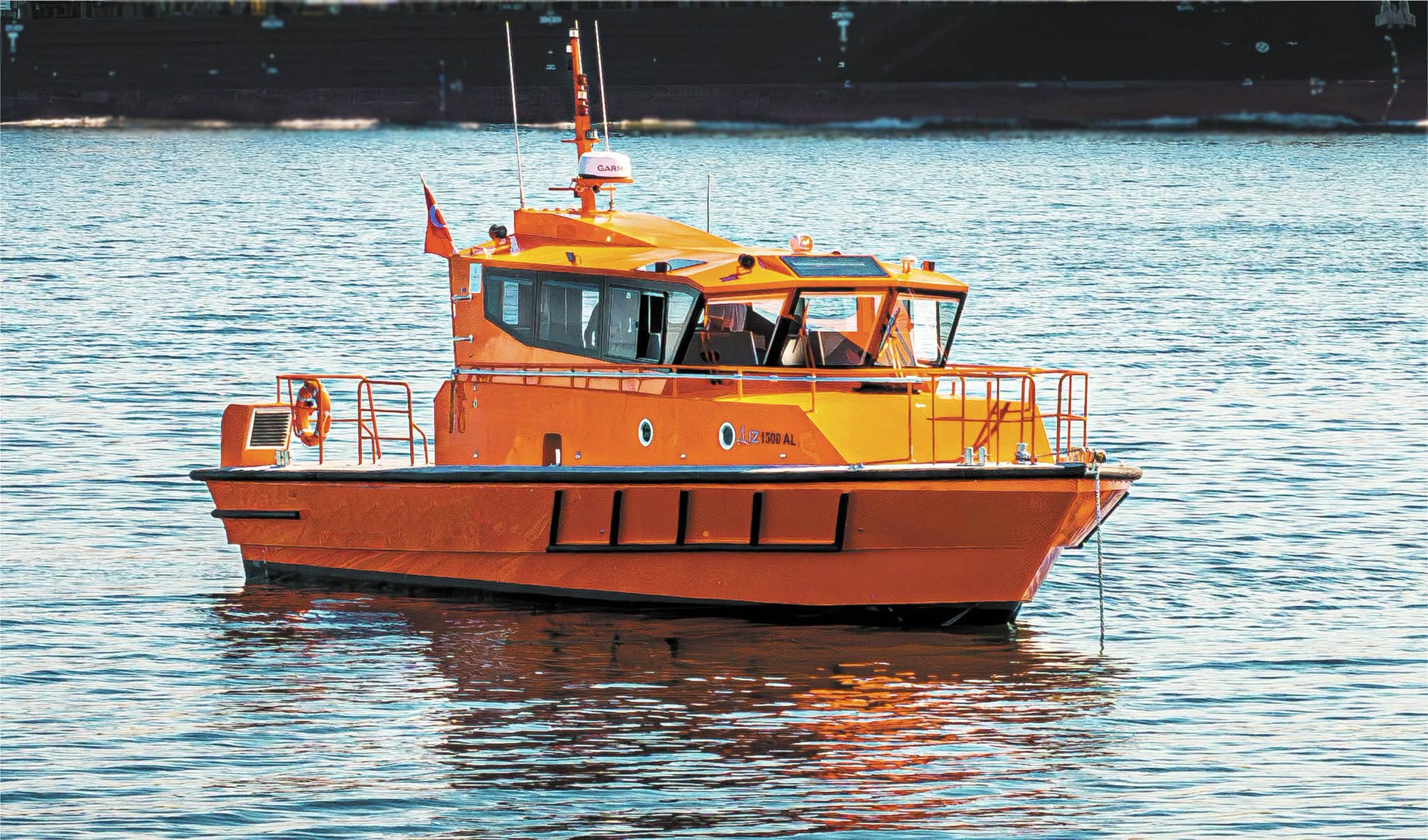
 Ukraine
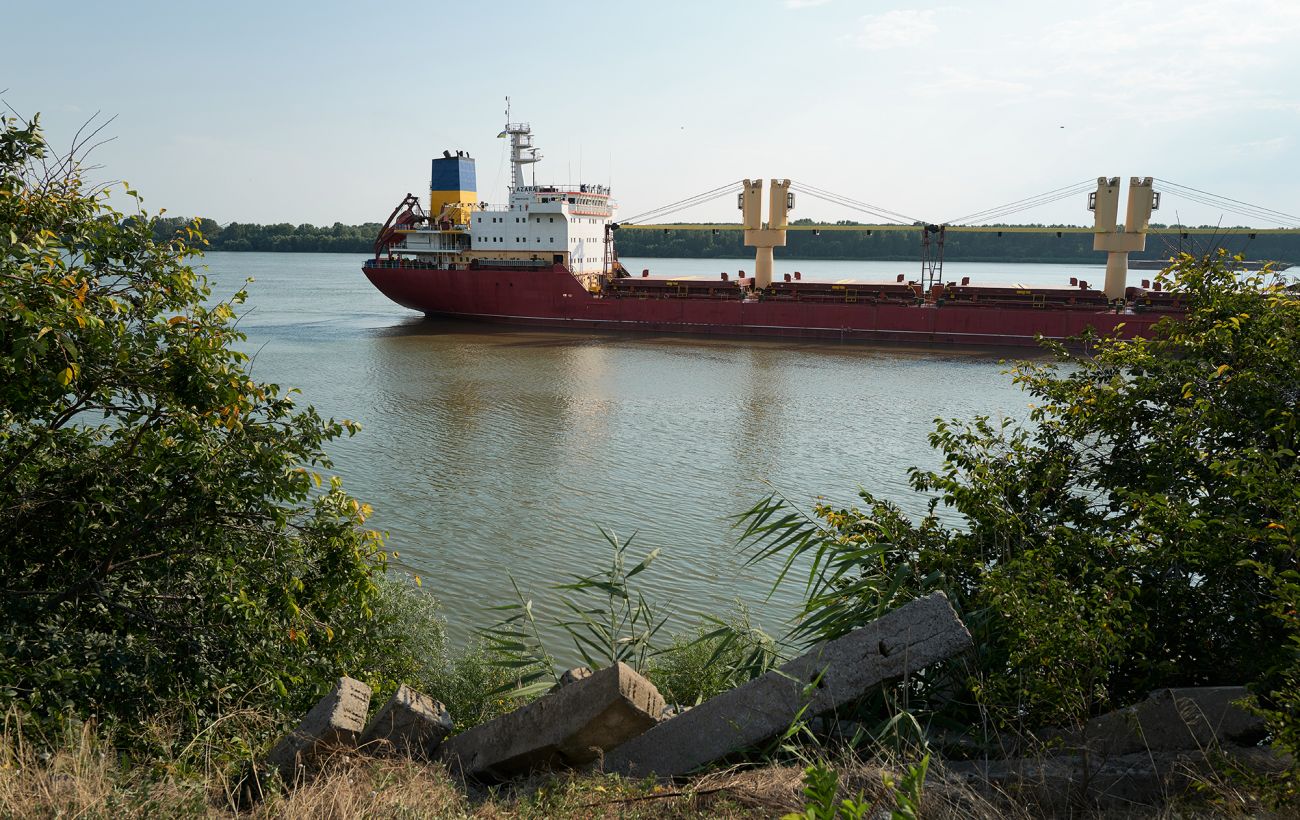


 Moldova


 Bulgaria
 Danube