

The Danube Continues to Recede in Romania
 Romania
13.07.2026
Romania
13.07.2026
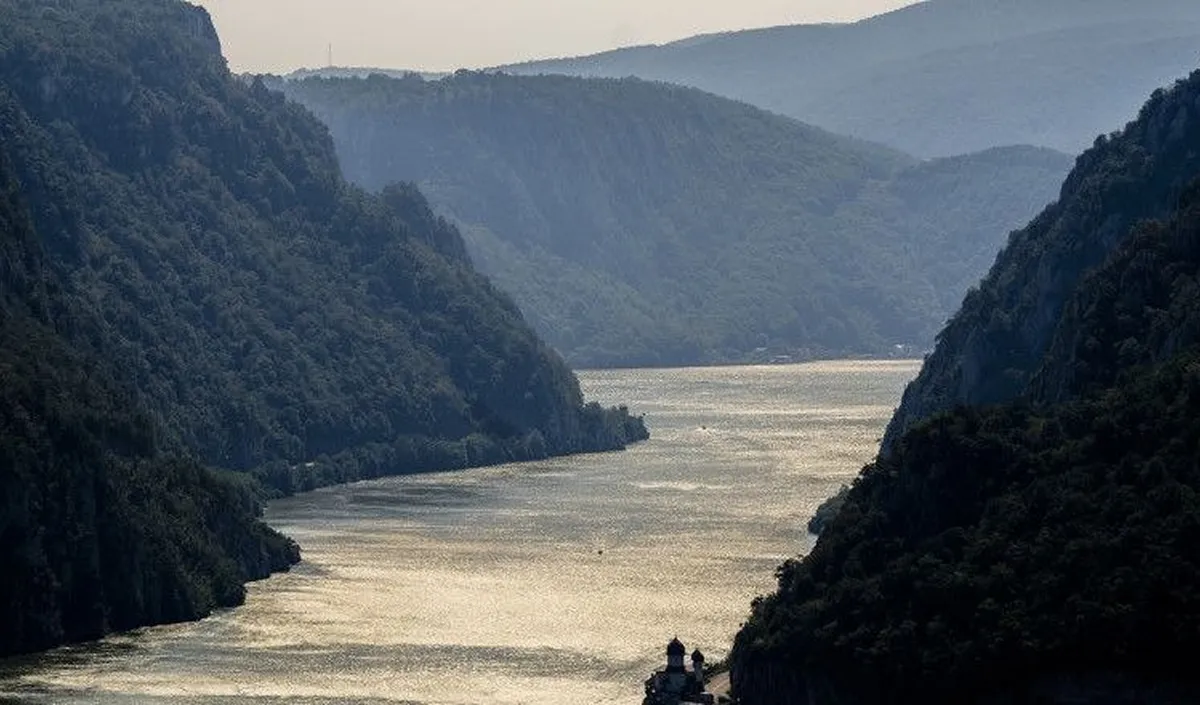
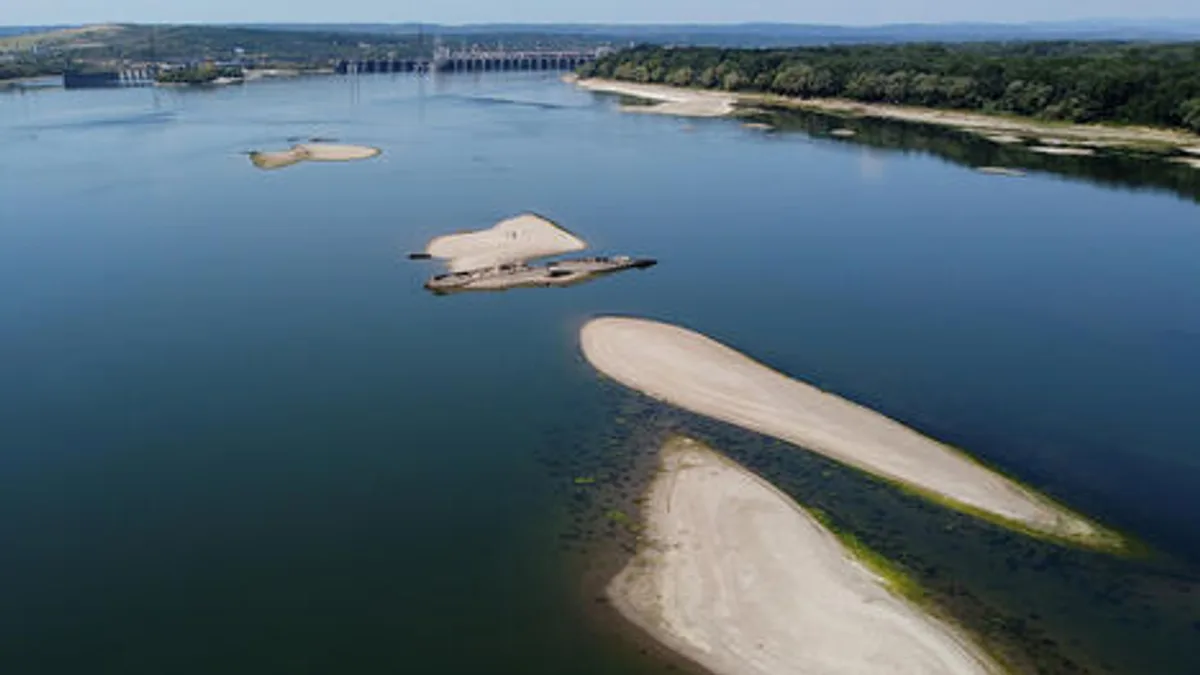
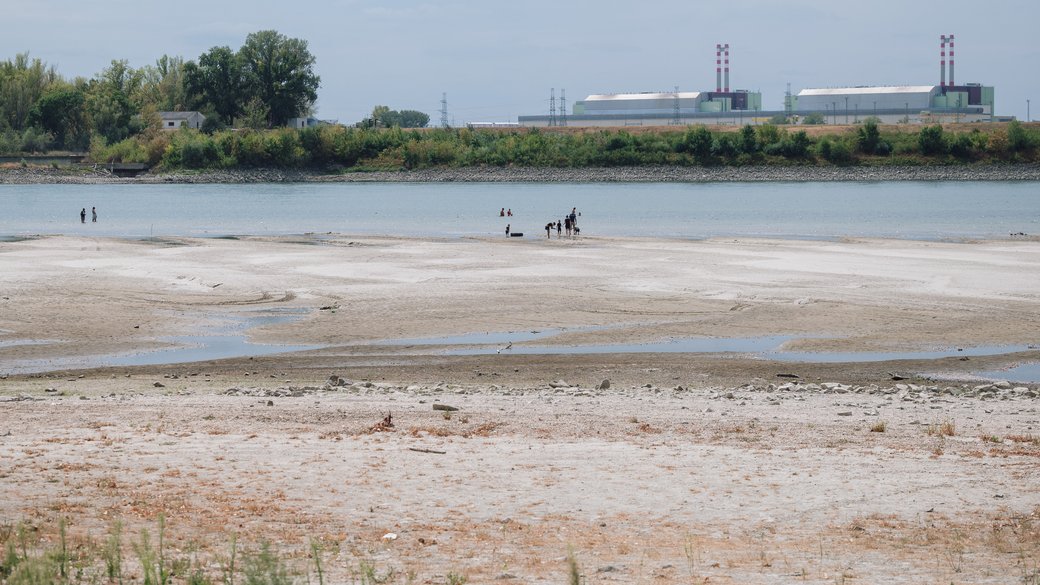
The hydrological situation along the Romanian section of the Danube continues to deteriorate. According to Romania’s National Institute of Hydrology and Water Management, the river flow at Baziaș, where the Danube enters Romania, may decline to 1,800 cubic metres per second in the coming days.
This is approximately 2.6 times lower than the long-term July average of 4,700 cubic metres per second. According to the INHGA forecast of 12 July, the flow is expected to decrease during the first three days and then remain at around 1,800 cubic metres per second until the end of the forecast period. Downstream from the Iron Gates hydropower complex, water discharge is also expected to decline in most areas.
At the beginning of July, the flow at Baziaș stood at approximately 2,100–2,300 cubic metres per second, but even then it was already more than twice below the seasonal average. The continued decline confirms that the current low-water period is persistent rather than a short-term fluctuation.
At the same time, local increases in water levels and discharge may occur on some rivers in Romania’s mountainous and hilly regions due to forecast heavy rainfall. However, such precipitation does not guarantee a rapid or substantial recovery of the Danube’s main channel, as its impact will depend on the volume, duration and geographical distribution of rainfall.
One of the practical consequences of the falling Danube level has been the temporary suspension of the ferry service between Bechet in Romania and Oryahovo in Bulgaria.
Operations are expected to resume once the river level rises and safe navigation conditions are restored. Until the ferry reopens, drivers are advised to plan their journeys in advance and use alternative Romanian-Bulgarian border crossing points.
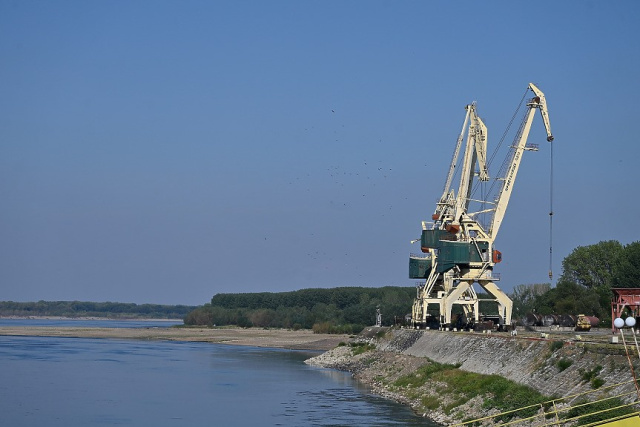
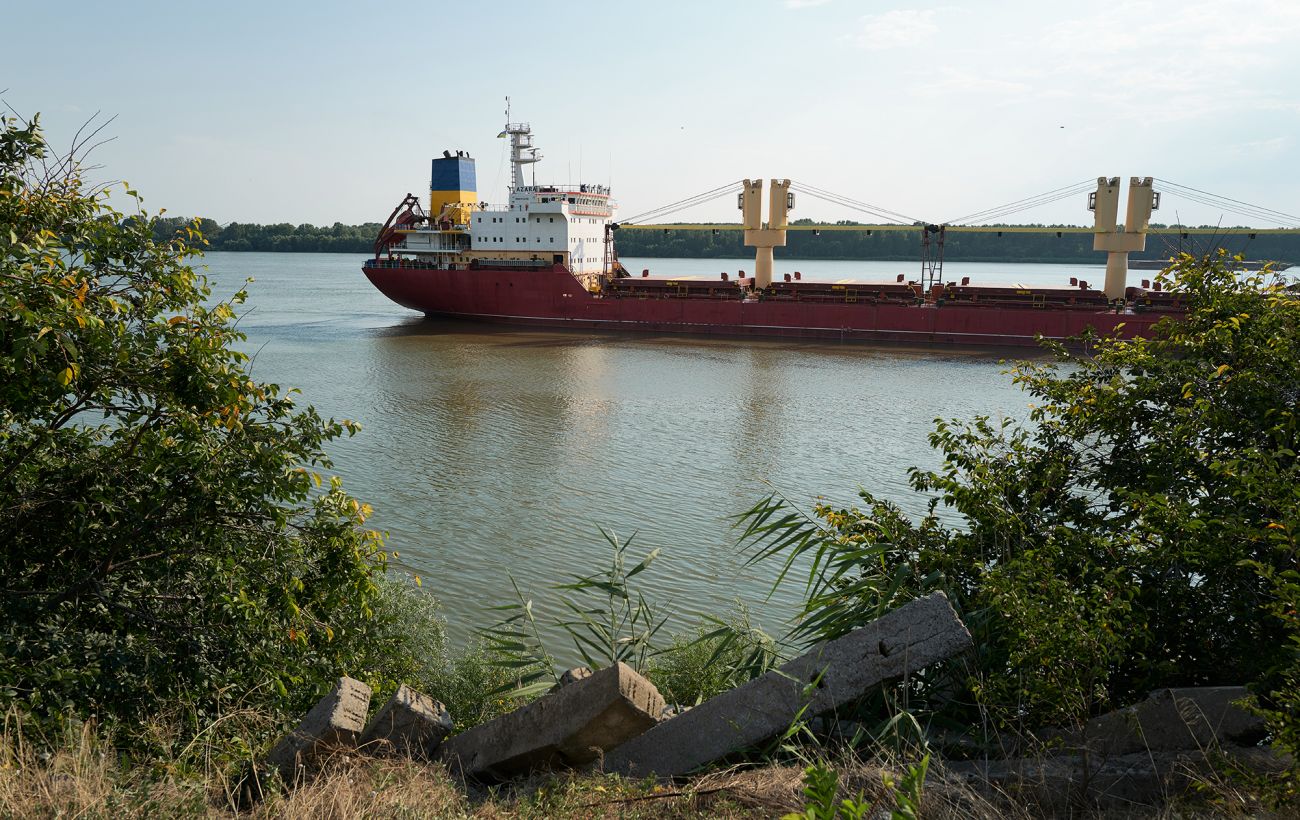
Low water levels may affect not only ferry services but also commercial shipping. When navigable depths are insufficient, vessels are forced to reduce their loads, increasing the cost of transporting each tonne of cargo, requiring more voyages and reducing the competitiveness of inland waterway transport.
Transport of grain, ore, metal products, fuel and other bulk cargoes is particularly sensitive to such restrictions, as its economic efficiency directly depends on the maximum possible vessel load.
Comment by the Institute of Danube Research
Experts of the Institute of Danube Research note that the current decline in the Danube’s water level should be regarded as a cross-border transport, economic and environmental challenge.
“A reduction in water flow at Baziaș to 1,800 cubic metres per second means that the river is entering a period of exceptionally low water availability for July. The consequences affect the entire Lower Danube system — from ferry operations and commercial shipping to port infrastructure and the stability of logistics chains.
The temporary suspension of the Bechet–Oryahovo connection is only one of the first visible manifestations of the problem. If water levels continue to fall, shipping companies may face draught restrictions, reduced vessel loading and higher transportation costs.
The situation is directly relevant to Ukraine, as the Danube ports remain an important component of the country’s export logistics. Low water levels along the Romanian and Bulgarian sections of the river may affect the entire cargo route from Ukrainian ports to Constanța and the ports of Central Europe,” the Institute emphasised.
The Institute of Danube Research believes that the Danube basin countries should strengthen the real-time exchange of hydrological information, coordinate navigation restrictions and prepare alternative logistics scenarios in advance.
Particular attention should be paid to maintaining guaranteed navigable depths, conducting dredging works at critical locations, modernising monitoring systems and introducing more accurate short- and medium-term forecasting.
The current situation once again demonstrates that climate variability and prolonged low-water periods are becoming a systemic challenge to the Danube’s transport function. Adapting river infrastructure to extremely low water levels should therefore become one of the priorities of the joint policy of the Danube region countries.

 Bulgaria
 Hungary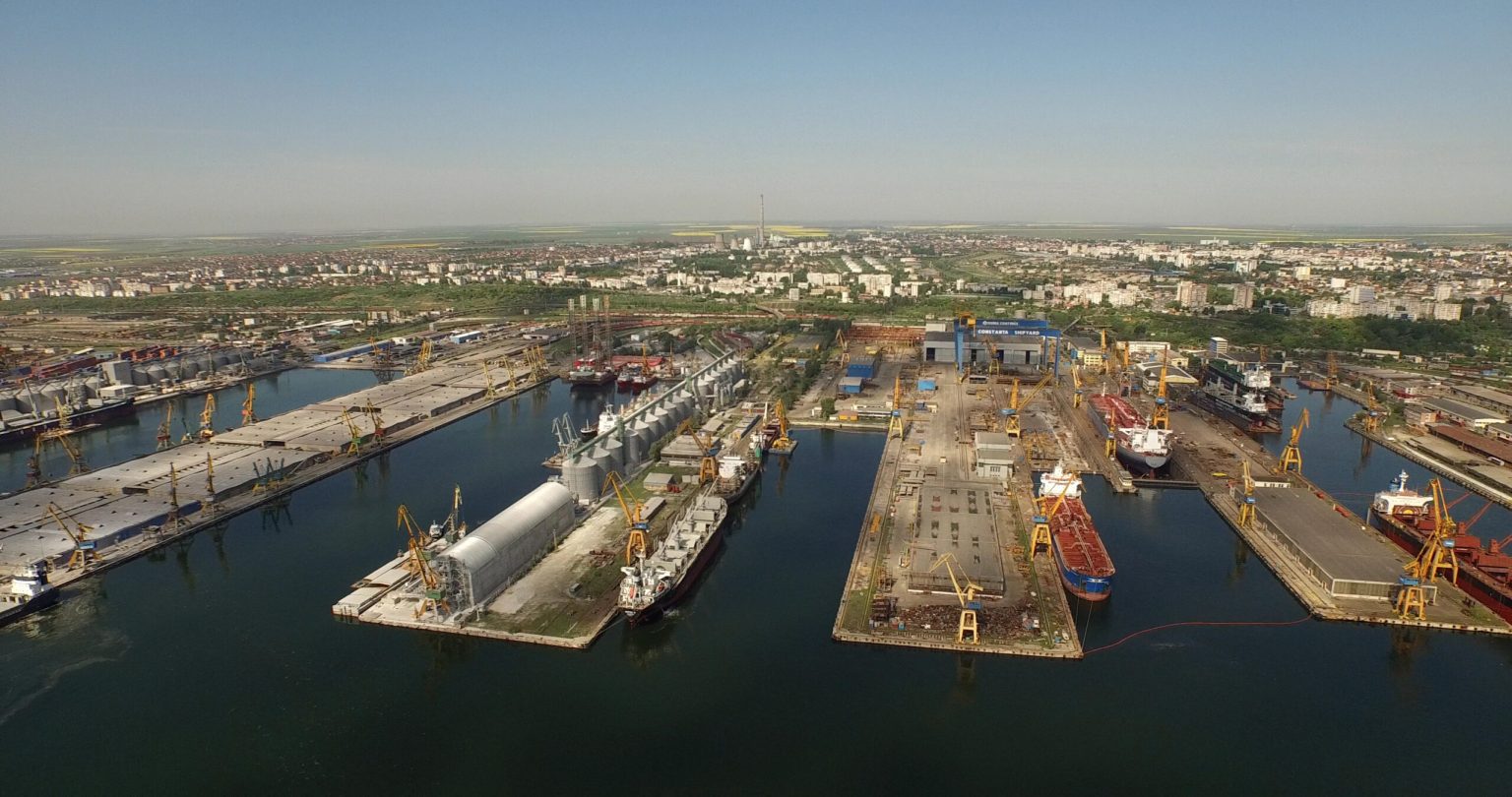

 Ukraine
 Moldova
 Serbia

 Danube