

The Dniester Enters a Period of Water Deficit: Public Statements May Decline, but the Problem Remains
 Moldova
02.10.2026
The next meeting of the Moldovan-Ukrainian Commission on the Sustainable Use and Protection of the Dniester River Basin is scheduled for November. At the same time, an extraordinary meeting may be convened earlier if the hydrological situation deteriorates sharply.
The central problem remains unchanged: inflow into the Dniester Reservoir continues to be extremely low.
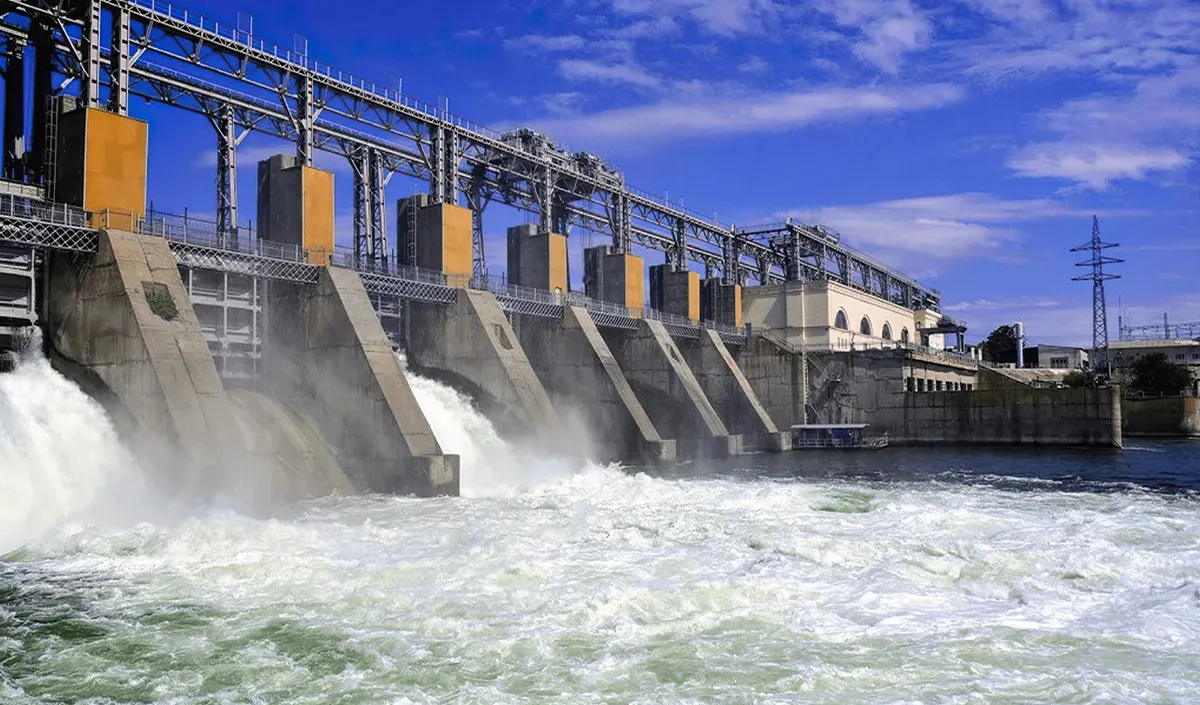
According to Ukrainian hydrometeorological data, inflow in September fell to approximately 24–31 m³/s, with a minimum average daily inflow of 24 m³/s recorded on 17 and 20 September. This was around 11% of the normal level. The outlook for October also remains unfavourable, with average inflow expected at only 20–40 m³/s.
The current situation continues the trend that IDR has been following for several months. At the end of July, Ukraine and Moldova agreed on a discharge of 85 m³/s; in August it was reduced to 75 m³/s, and by the end of August to 60 m³/s. In September, the Ukrainian side proposed moving towards a regime close to actual inflow, but Moldova opposed such a sharp reduction at that stage.
By the end of September, however, the transition to an inflow-based discharge regime became effectively unavoidable.
The reason is no longer limited to the need to preserve water reserves in the reservoir. Low water levels are also creating risks for drinking water supply in Ukrainian communities located near the reservoir. In some settlements, water supply is already being provided on a restricted schedule.
The situation is also being closely monitored in Moldova. Authorities have reported a significant decline in the level of the Dniester Reservoir, while stressing that drinking water supply remains stable for the time being.
A separate issue concerns the interpretation of critical reservoir levels. Representatives of Eco-TIRAS have raised questions about why the current operational threshold is considered to be around 112 metres, while the formal dead-storage level is set significantly lower. These figures, however, describe different operational parameters and should not be treated as identical.
IDR Comment
The Dniester issue is unlikely to disappear from the interstate agenda. More likely, it is moving from a phase of public debate to one of operational crisis management.
The developments of recent months demonstrate a gradual narrowing of room for compromise: 85 → 75 → 60 m³/s, followed by a transition to a regime in which discharge is increasingly determined by actual inflow.
The disagreement between Ukraine and Moldova cannot be reduced to a question of which side receives more water. Ukraine must safeguard its own drinking water intakes and prevent further depletion of the reservoir. For Moldova, the priorities remain stable water supply and the preservation of the Lower Dniester ecosystem.
Therefore, fewer public statements would not mean that the problem has been resolved. On the contrary, with projected inflow of only 20–40 m³/s, the Dniester is entering a period in which decisions will increasingly be determined by the physical availability of water rather than by the desired level of discharge.
For both countries, this once again highlights the need to move from ad hoc coordination of releases to long-term basin management scenarios, with clear procedures for different hydrological conditions, protection of drinking water supply, environmental minimums, and continuous exchange of hydrological data.
Such a mechanism could reduce the risk that every new period of extreme low water becomes simultaneously a water, environmental and interstate crisis.
 Romania
 Hungary
 Ukraine



 Bulgaria
 Danube
 Serbia