

Ukraine and Moldova Agree to Increase Water Discharges into the Dniester by 20% and Prepare for Gas Supply Talks
 Ukraine
15.10.2026
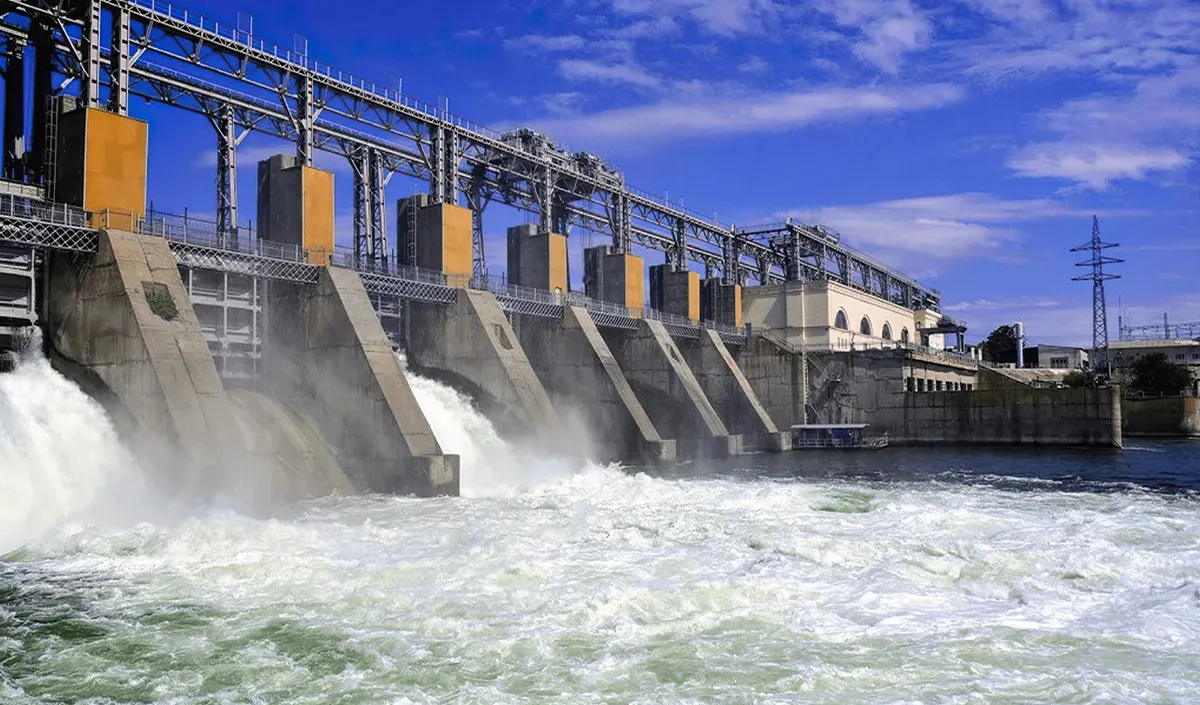
Ukraine and the Republic of Moldova have reached an agreement to increase water discharges from the Dniester Hydropower Complex in Novodnistrovsk by approximately 20%. The decision aims to stabilize the hydrological situation in the Dniester River basin and improve water supplies to communities that depend on the river's resources.
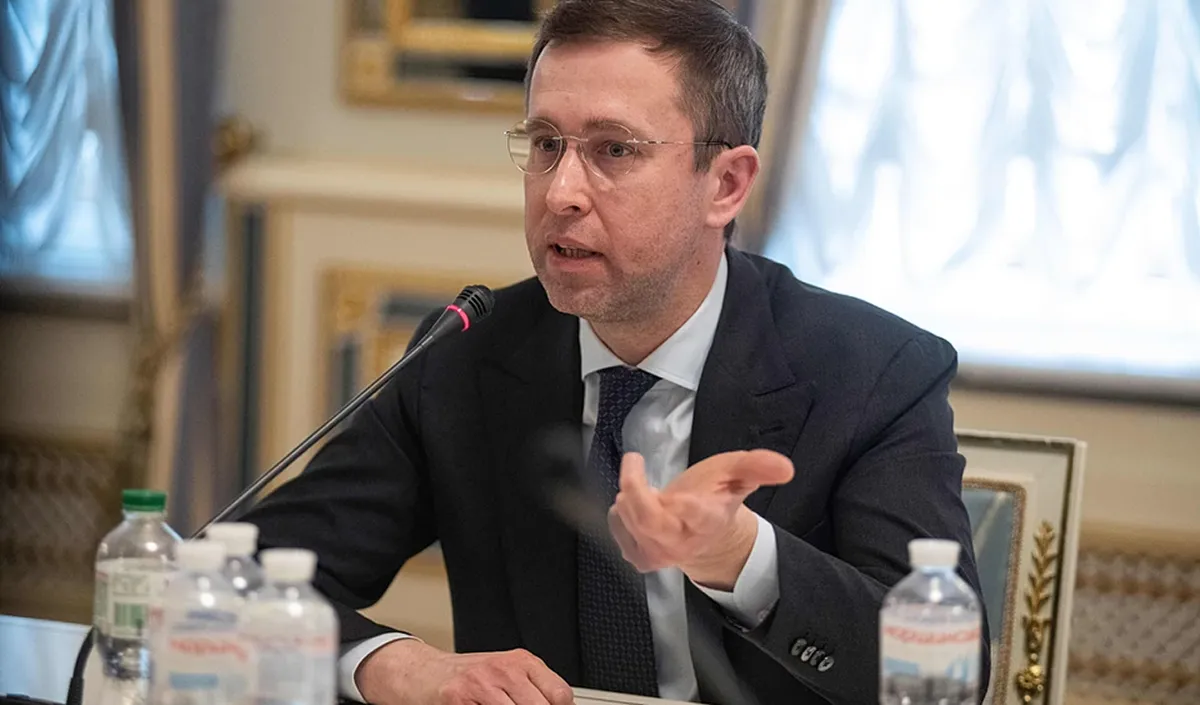
The issue was discussed during a meeting between Moldovan Prime Minister Vasile Tofan, Energy Minister Dorin Junghietu, and Ukraine's First Deputy Prime Minister and Minister of Energy Denys Shmyhal.
According to the Moldovan Prime Minister, despite the difficult hydrological conditions in the upper reaches of the Dniester, Ukraine has agreed to increase water discharges compared with the previous period.
The agreement is particularly important amid prolonged low-water conditions, which threaten water supplies to Moldovan communities and affect water management infrastructure in both countries.
The parties also discussed energy security, particularly opportunities for cooperation in the natural gas and electricity sectors.
Negotiations are expected to continue during the Moldovan Prime Minister's planned visit to Kyiv at the end of October.
One of the key issues will be the potential import of natural gas from Ukraine. Moldova has previously expressed interest in purchasing approximately 500 million cubic meters of gas, an estimated volume corresponding to the annual needs of the regulated segment of Moldova's gas market.
Specific volumes, commercial terms, and potential supply arrangements remain subject to further negotiations.
Commentary by the Institute of Danube Research
According to experts at the Institute of Danube Research, the agreement represents an important step toward strengthening Ukrainian-Moldovan cooperation in the management of transboundary water resources.
A 20% increase in water discharges could temporarily improve hydrological conditions in the lower reaches of the Dniester. However, it does not resolve the underlying problem of prolonged water scarcity. The effectiveness of this measure will depend on actual water inflows, reservoir conditions, and the coordination of hydropower operations.
Particular attention should be paid to maintaining a balance between drinking water supply, environmental requirements, and the operational needs of the energy system.
The Institute of Danube Research emphasizes the importance of establishing a permanent Ukrainian-Moldovan coordination mechanism involving joint hydrological forecasting, data exchange, and coordinated water discharge regimes that take into account the ecological needs of the Lower Dniester.
At the same time, discussions on natural gas demonstrate both countries' commitment to deepening energy cooperation.
The strategic objective for Ukraine and Moldova should be to move from reactive responses to water and energy crises toward a comprehensive system of transboundary resource and risk management. Such an approach would strengthen environmental, water, and energy security throughout the Dniester region.
 Romania
 Hungary
 Moldova
 Bulgaria
 Danube
 Serbia