

Ukraine and Moldova to Seek Joint Solution to Critically Low Water Levels in the Dniester
 Ukraine
26.08.2026
Ukraine
26.08.2026
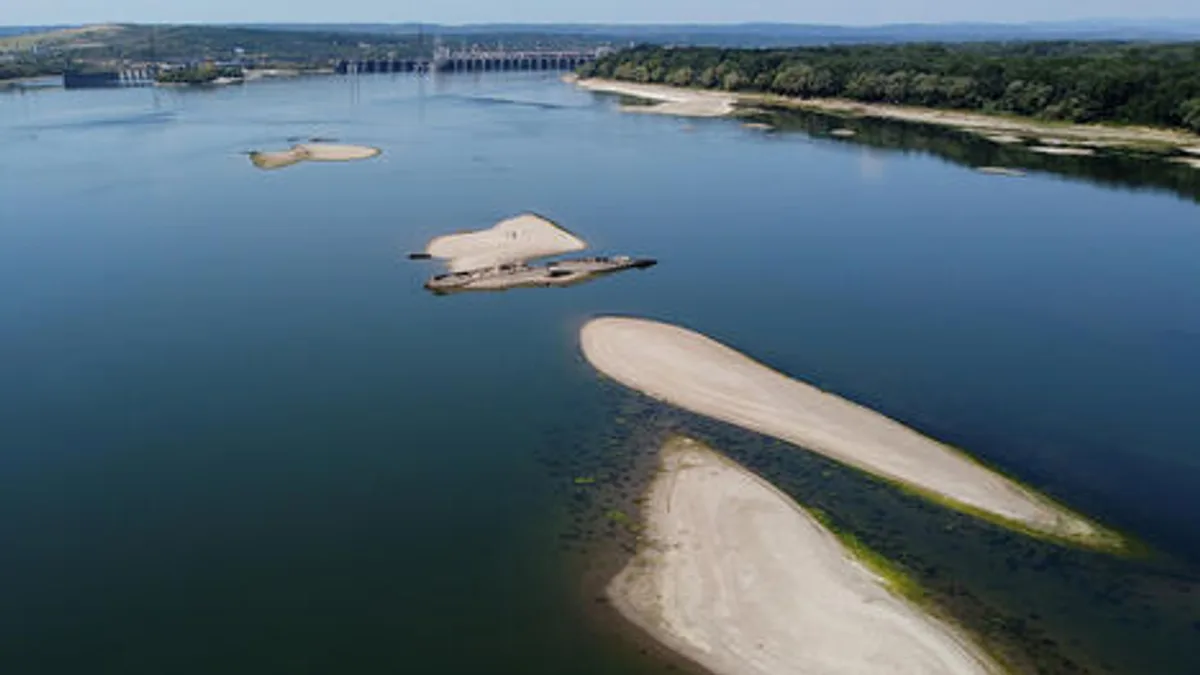
Ukraine and Moldova will hold a new round of negotiations on the operating regime of the Dniester Hydrotechnical Complex amid the rapid depletion of water reserves in the upper part of the river basin.
A meeting of the Dniester Commission involving representatives of both countries is scheduled for Friday, 28 August. The parties will review the current water balance and seek a compromise operating regime to protect drinking-water intakes and the river ecosystem.
According to Moldova’s Ministry of Environment, the water level in the Dubăsari Reservoir is currently stable. However, this does not reflect the overall condition of the Dniester. The present stability has been maintained through operational agreements allowing water releases from Ukraine to remain at 75–85 m³/s.
The Dubăsari Reservoir does not have sufficient capacity to create an autonomous strategic reserve. Its storage level directly depends on inflows from the upper reaches of the Dniester in Ukraine.
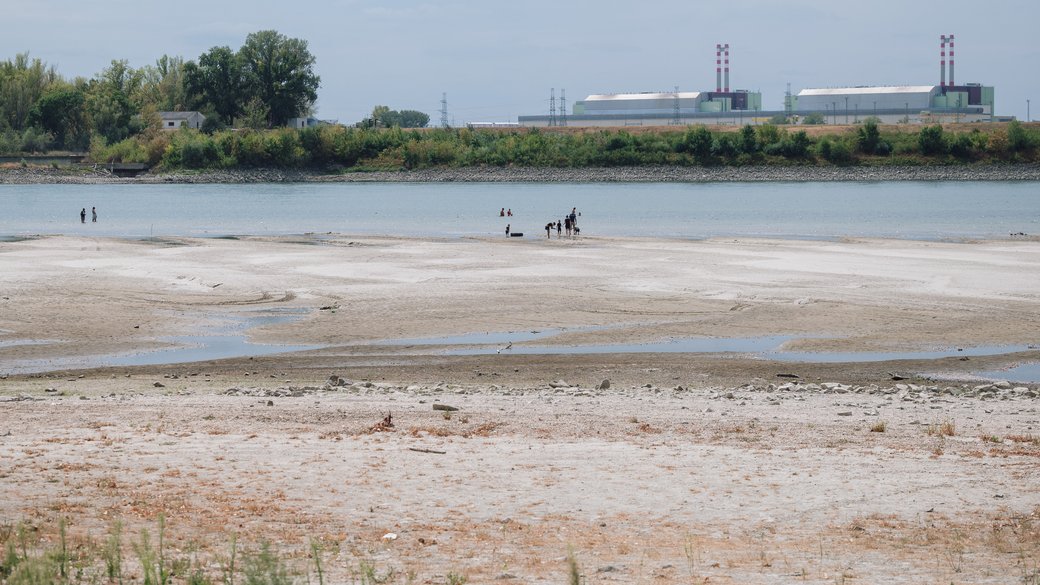
The most critical situation has developed at the Dniester Hydrotechnical Complex. The water level in the Dniester Reservoir fell by one metre during July and by another metre as of 25 August. By the end of August, this month’s total decline could reach 1.25–1.30 metres.
Natural inflows have also decreased significantly. At the beginning of August, inflow stood at approximately 38 m³/s, while the average daily rate over the past eight days dropped to just 22.38 m³/s.
To maintain downstream flow at 75–85 m³/s, the reservoir has been releasing three to four times more water than it receives naturally. The difference has been covered from previously accumulated reserves, which are now rapidly declining.
If natural inflow does not increase, maintaining the current release regime will become extremely difficult. Any forced reduction would quickly affect the Dubăsari Reservoir and downstream water intake facilities.
Comment by the Institute of Danube Research:
“The current situation confirms that a stable water level in one section of a river cannot be regarded as an indicator of security for the entire basin. The Dubăsari Reservoir depends on inflows from the upper Dniester, while maintaining releases several times higher than natural inflow inevitably depletes accumulated reserves.
During prolonged low-water periods, Ukraine and Moldova must coordinate their decisions on the basis of a shared water balance, joint operational monitoring and basin-wide forecasts. The priorities must remain uninterrupted drinking-water supply, preservation of the river ecosystem and prevention of critically low reservoir levels.
Negotiations on short-term releases should be complemented by long-term measures, including modernised monitoring systems, real-time hydrological data exchange, reduced water losses and joint drought-response scenarios. Low water levels in the Dniester are evolving from a seasonal problem into a systemic transboundary challenge to the water security of Ukraine and Moldova.”

 Bulgaria
 Hungary
 Romania
 Moldova
 Serbia

 Danube