

Ukraine and Moldova to Strengthen Alternative Grain Export Routes
 Ukraine
24.07.2026
Ukraine
24.07.2026
Ukraine and the Republic of Moldova have agreed to deepen cooperation with international partners in order to strengthen the resilience of alternative logistics corridors and routes for Ukrainian grain exports.
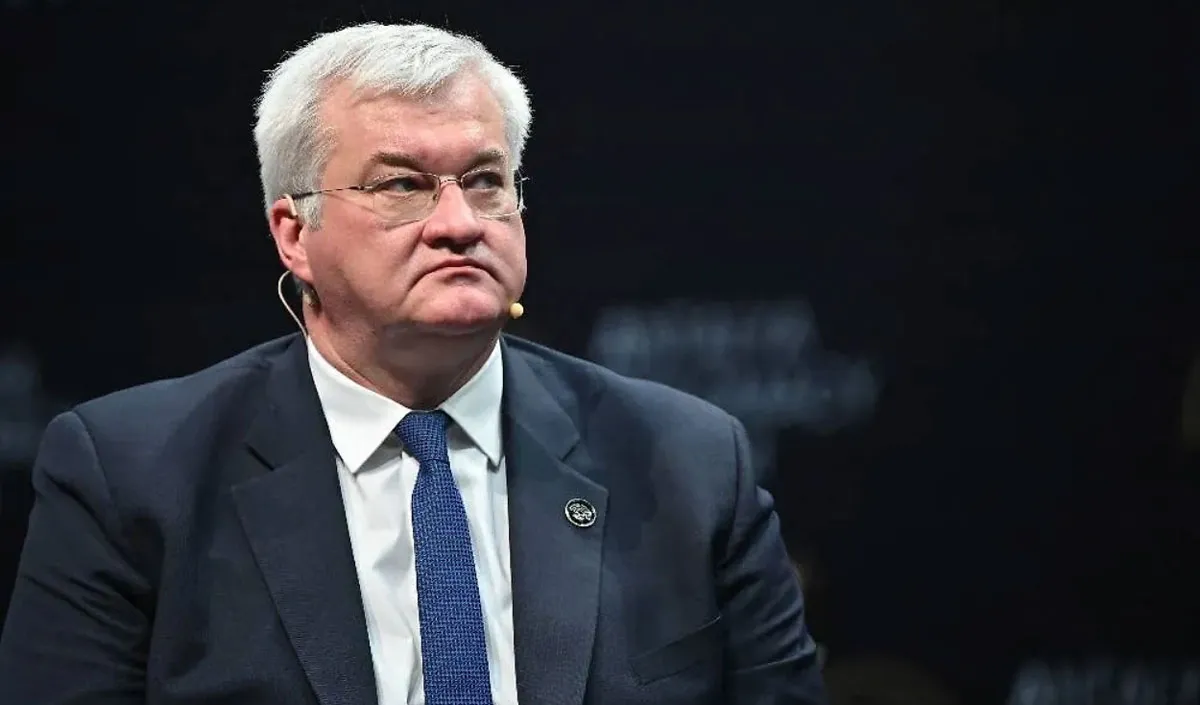
The agreement was reached during a telephone conversation between Ukraine’s Minister of Foreign Affairs, Andrii Sybiha, and Moldova’s Deputy Prime Minister and Minister of Foreign Affairs, Mihai Popșoi.
The two ministers paid particular attention to the security situation in the Black Sea and the consequences of intensified Russian attacks on Ukrainian ports and civilian commercial vessels. According to Andrii Sybiha, such strikes disrupt grain exports and affect not only Ukraine, but also regional and global food security.
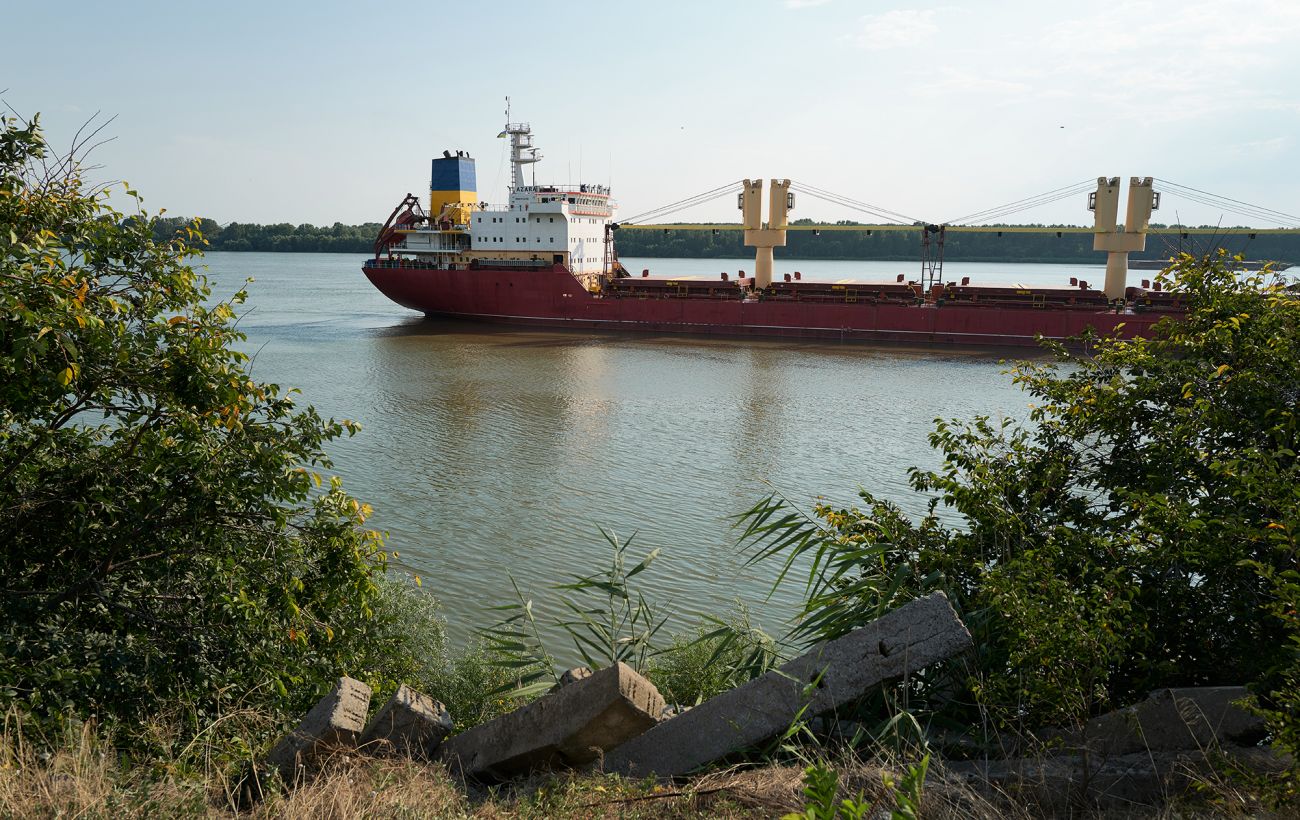
The parties agreed to continue working with international partners to reinforce alternative transport corridors. These include routes through Moldova, Danube ports, as well as rail and road infrastructure that could partially compensate for disruptions to the Black Sea maritime corridor.
The ministers also discussed the bilateral agenda, coordination of further steps towards Ukraine’s and Moldova’s accession to the European Union, and stressed the importance of opening all negotiation clusters.
“We also agreed to maintain close coordination, and I invited Deputy Prime Minister Mihai Popșoi to visit Ukraine in the near future,” Andrii Sybiha stated.
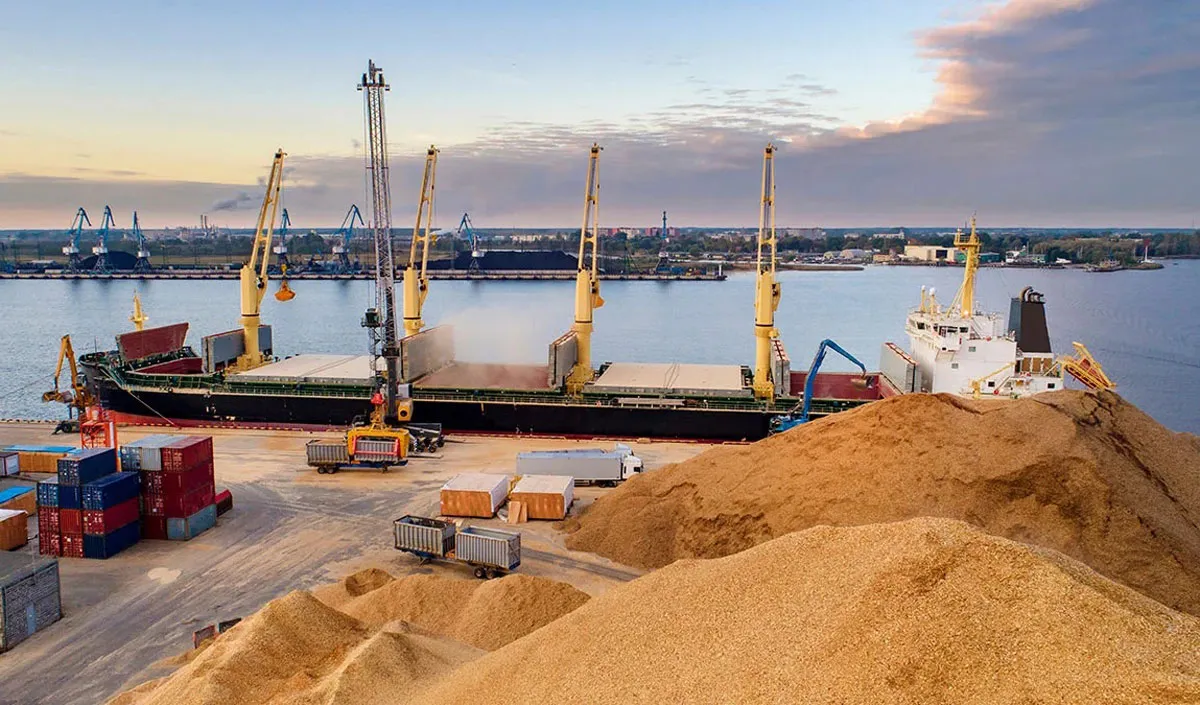
The agreement was reached amid a sharp deterioration in the security situation in the Black Sea. Russian attacks have prompted some shipowners to suspend vessel calls at Ukrainian Black Sea ports, causing significant disruptions to agricultural exports. At the same time, Danube and overland routes can compensate for only part of the lost transport capacity.
Ukraine has also initiated an urgent meeting of the United Nations Security Council, scheduled for 27 July 2026, in response to Russian attacks on civilian vessels and threats to freedom of navigation in the Black Sea.
Comment by the Institute of Danube Research
Under the current circumstances, the development of alternative export routes through Moldova and Ukraine’s Danube region is no longer merely a temporary crisis-response measure. It is becoming an essential component of Ukraine’s long-term transport security.
Russian attacks once again demonstrate the risks of excessive dependence on a single maritime corridor. Ukraine therefore needs to build a diversified multimodal system linking the ports of Izmail, Reni and Giurgiulești, rail crossings on the Ukrainian-Moldovan and Moldovan-Romanian borders, road routes, inland navigation along the Danube, and access to the Romanian port of Constanța.
Priority measures should include increasing the capacity of border crossing points, modernising rail and port infrastructure, simplifying customs procedures, and introducing a unified mechanism for operational coordination among Ukraine, Moldova, Romania and European Union institutions.
The development of the Danube logistics cluster is of particular importance. Its infrastructure should be regarded not only as a reserve channel for agricultural exports, but also as a permanent part of the European transport network capable of strengthening the economic, food and security resilience of the entire Black Sea-Danube region.
The Institute of Danube Research emphasises: protecting freedom of navigation must be combined with accelerated investment in Danube and overland routes. Only a diversified logistics system will enable Ukraine to maintain stable exports regardless of Russia’s attempts to block Black Sea ports.

 Bulgaria
 Hungary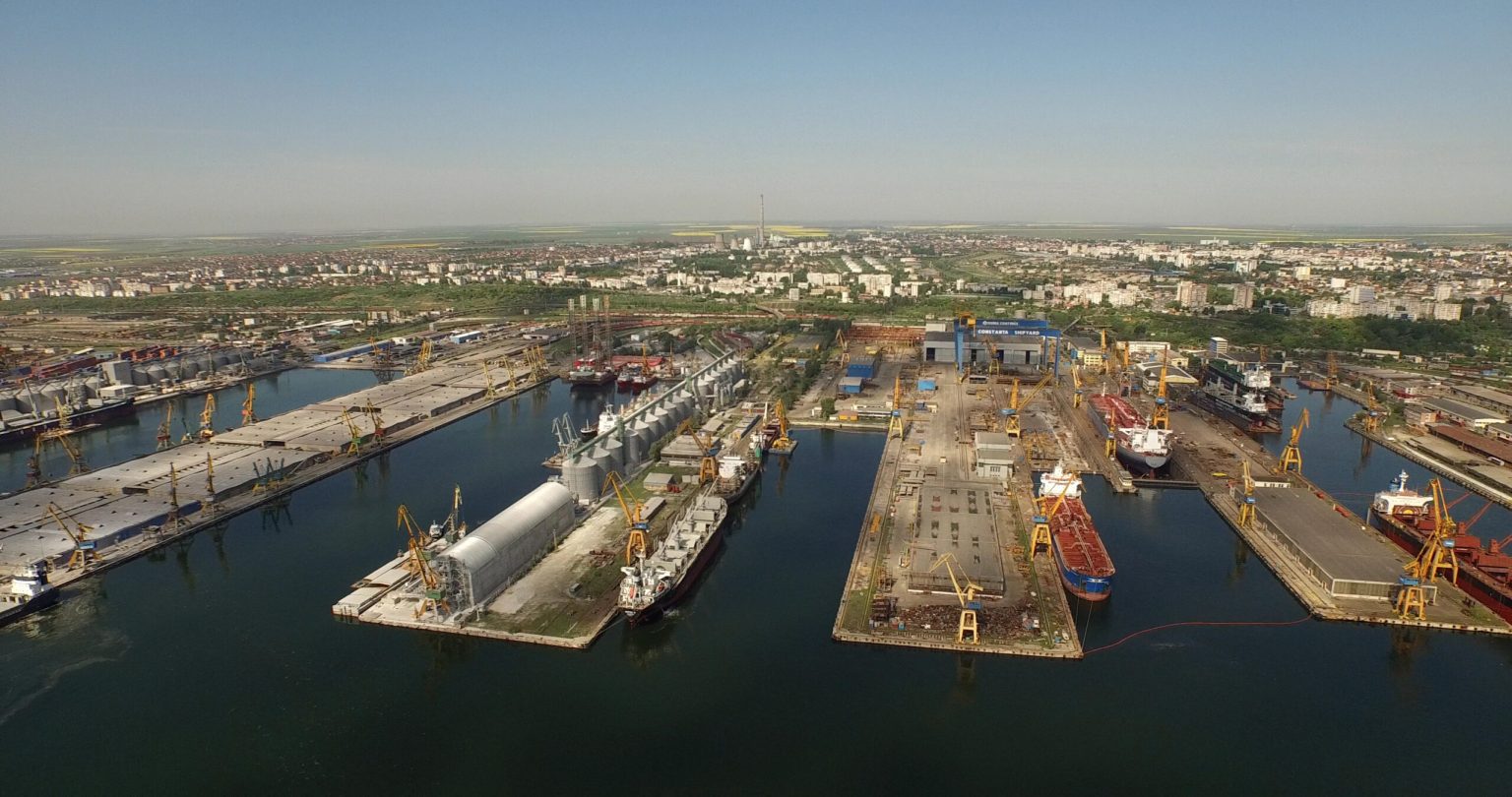
 Romania
 Moldova
 Serbia

 Danube