

Ukraine and Romania agree to expand transport routes via Constanța and the Danube
 Ukraine
06.10.2026
Ukraine and Romania have agreed on a series of measures aimed at increasing the capacity and resilience of transport routes between the two countries. The agreements cover rail freight to the Port of Constanța, navigation through the Sulina Channel, greater use of the ports of Galați and Brăila, and the development of road and border infrastructure.
The agreements were reached during a working visit to Romania by Mykola Kalashnyk In Constanța, he met with Romanian Secretary of State for Transport Ionel Scrioșteanu, as well as representatives of the railway sector, ports, business, customs and border services.
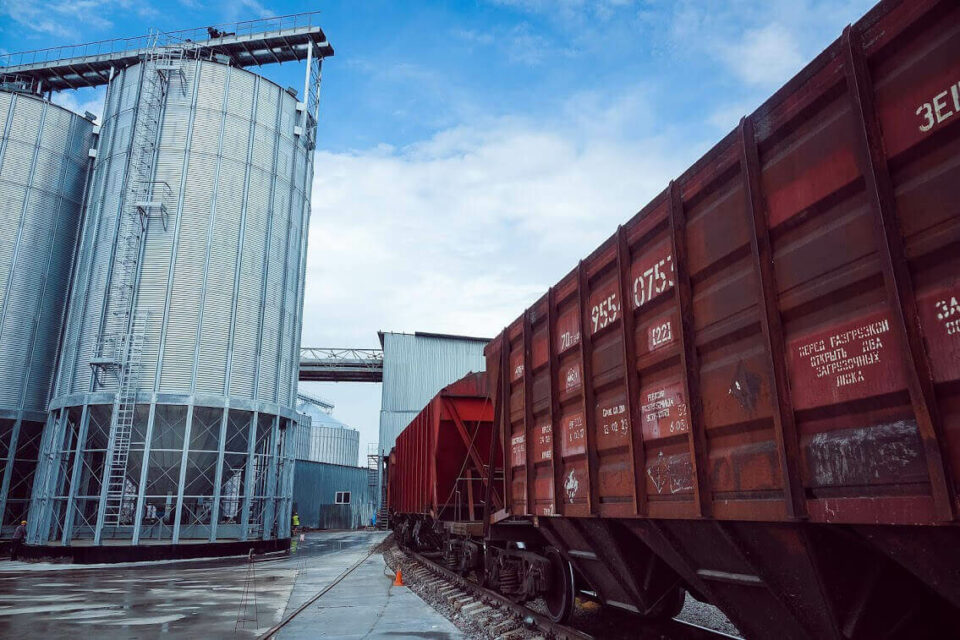
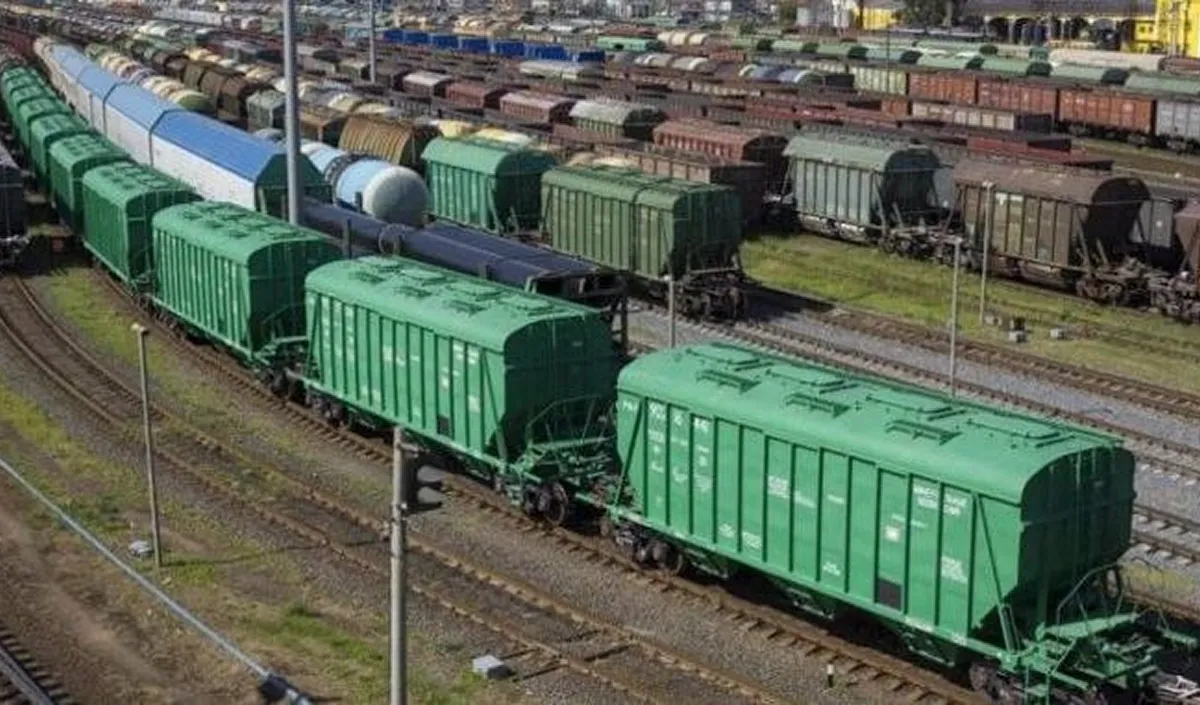
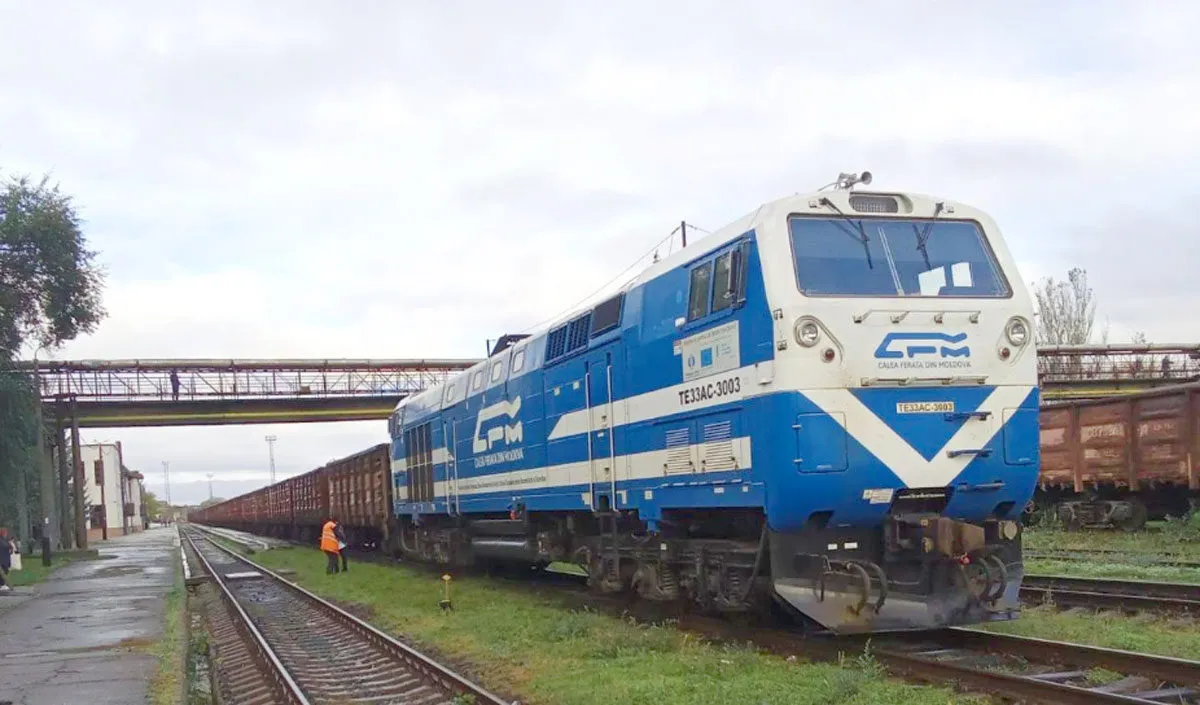
One of the key results was an agreement to maintain the daily transfer of six pairs of freight trains to the Port of Constanța. The next target is to increase this figure to ten pairs per day. To achieve this, the Romanian side intends to accelerate repair works on port-related and railway infrastructure.
The parties also discussed priority handling of Ukrainian cargo and the creation of a joint information tool to improve coordination between carriers and port operators. In parallel, dialogue has begun on expanding the use of the capacities of the Romanian Danube ports of Galați and Brăila.
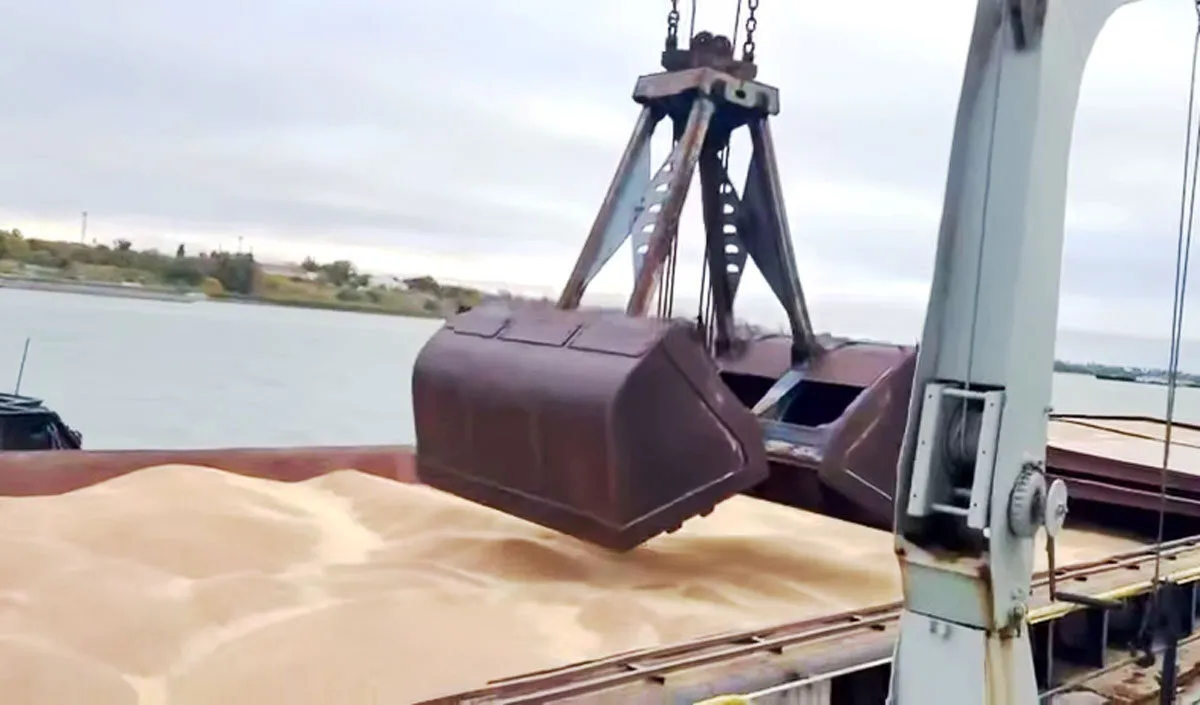
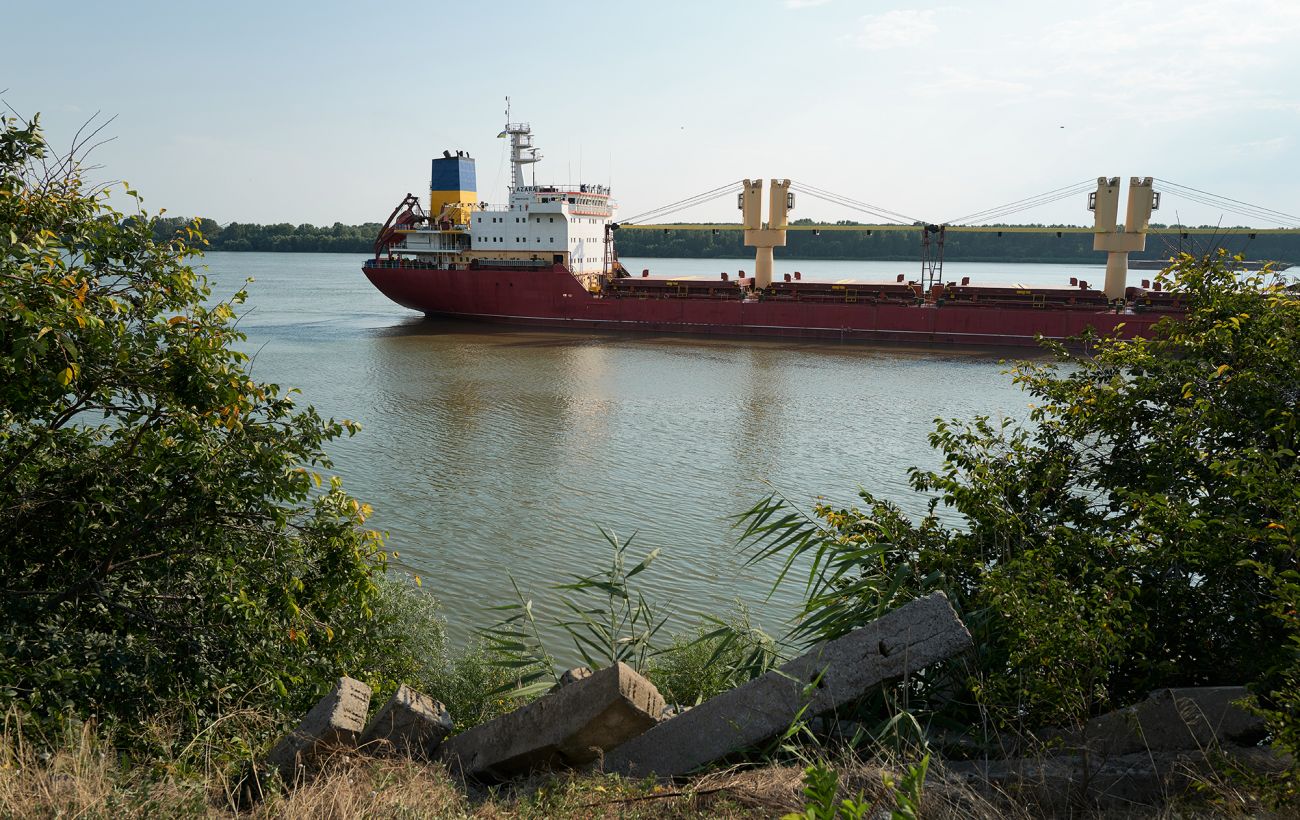
A major part of the talks concerned the Sulina Channel. Ukraine reiterated its need to ensure the daily passage of at least 10 vessels entering and 10 vessels exiting the channel. The sides agreed on a number of practical steps aimed at increasing its throughput capacity.
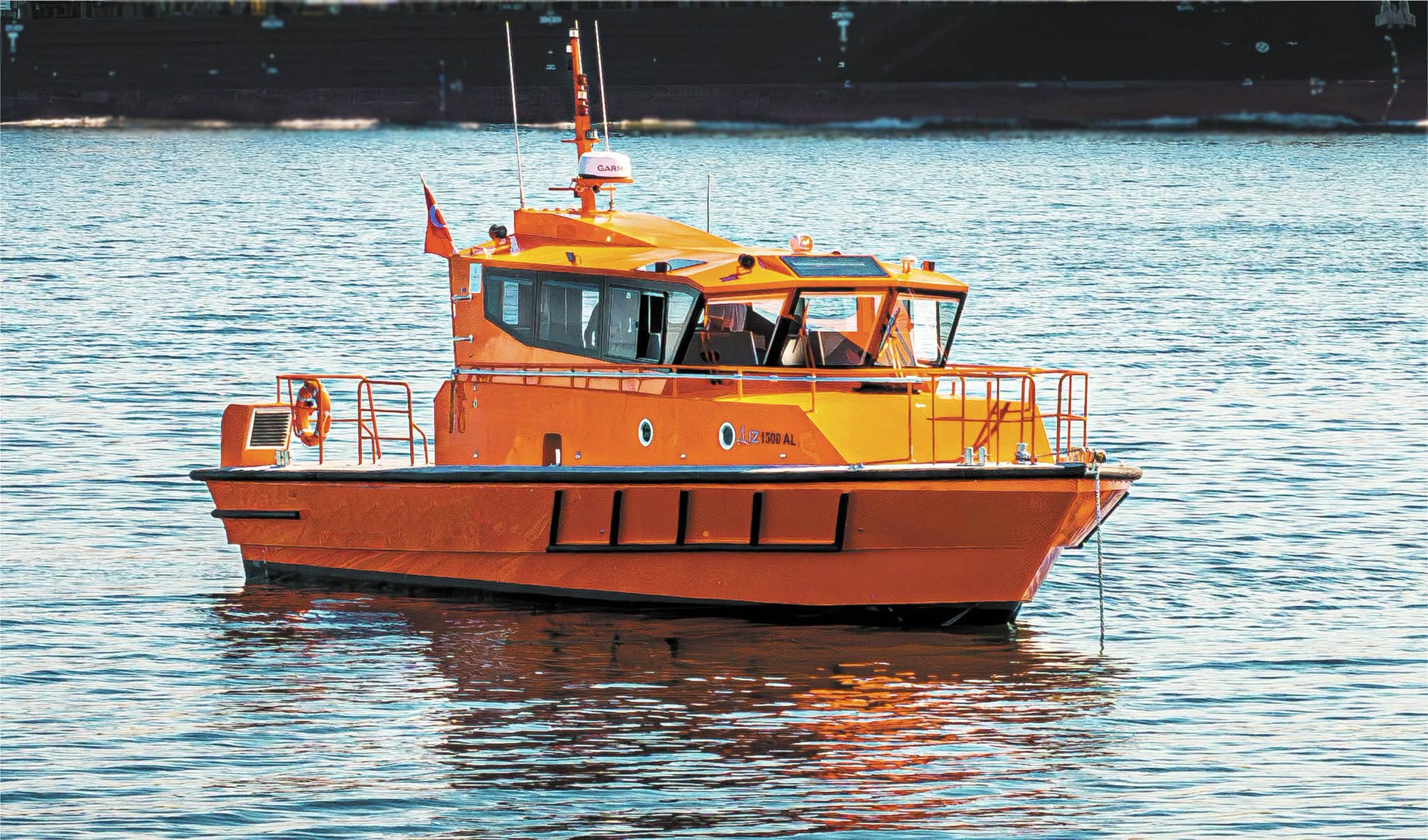
Romania is expected to invite a representative of the Ukrainian Sea Ports Authority to participate in joint vessel dispatching. In cases of significant accumulation of vessels waiting to leave Ukrainian Danube ports, the Romanian side is prepared to allocate a full day for their passage through the channel in a priority mode.
The parties also agreed on night passage for vessels that enter the channel before darkness, provided that all safety requirements are observed. This is especially important during the autumn and winter seasons, when daylight hours become shorter.
The acceleration of the PRIMUS project was also discussed.
On the road border, the parties are working on the expansion of the Porubne–Siret crossing point. Ukraine has already built four additional lanes under the CEF project and is awaiting completion of similar works on the Romanian side.
The parties also discussed the possible opening of the Shepit and Hija crossing points for passenger vehicles and the acceleration of an intergovernmental agreement on joint border control. Such an agreement should create the legal basis for joint border crossing points operating on Romanian territory.
Romanian partners also confirmed the economic feasibility of constructing the Orlivka–Isaccea bridge across the Danube. The talks additionally covered preparations for an agreement on transport connectivity between Pașcani and Tarashany, including the development of the M-19 route within the SAFE initiative.
Comment by the Institute of Danube Research
The results of the Ukrainian-Romanian negotiations indicate a gradual transition from ad hoc responses to logistics bottlenecks towards the creation of a more integrated transport system linking Ukraine, Romania and the Black Sea.
The most important feature of the agreements is their multimodal nature. They simultaneously cover railways, inland and maritime navigation, road border crossings and Danube ports. Such diversification is essential for the resilience of Ukraine’s foreign trade routes.
Increasing rail capacity towards Constanța from six to ten pairs of trains per day could significantly strengthen the role of the Romanian port in Ukrainian logistics. At the same time, the involvement of Galați and Brăila is strategically important because it allows for the creation of a network of logistics hubs rather than dependence on a single overloaded corridor.
For the Ukrainian Danube ports, the Sulina Channel remains critical. For Reni, Izmail and Ust-Dunaisk, its throughput capacity directly affects vessel turnaround, freight costs and the competitiveness of cargo handling.
Joint dispatching, night passages and dedicated priority windows for clearing vessel queues could provide a substantial operational effect even without major reconstruction of the channel.
The potential construction of the Orlivka–Isaccea bridge has an even broader strategic dimension. If implemented, the project could significantly alter the transport geography of southern Odesa region by establishing a more direct road connection with Romania and, through it, with the EU transport network.
In a broader perspective, the negotiations point towards the formation of a new transport framework: Ukraine — Lower Danube — Constanța — Central Europe. Within this system, Constanța, Galați, Brăila, Reni and Izmail should increasingly be viewed not only as competitors, but also as interconnected elements of a common cross-border logistics space.
For Ukraine, the central challenge is now to translate political agreements into measurable infrastructure and operational results: more trains, more vessel passages, faster border procedures, functioning joint dispatching and implementation of major cross-border connectivity projects.
The speed of this implementation will determine whether the Romanian route becomes a permanent pillar of Ukrainian foreign trade rather than merely an alternative corridor used in periods of crisis.
 Romania

 Hungary


 Moldova

 Bulgaria
 Danube
 Serbia