

Ukraine continues forced replenishment of the Katlabuh Reservoir with Danube water
 Ukraine
06.10.2026
In southern Odesa region, work continues to forcibly replenish the Katlabuh Reservoir with water from the Danube River. Three high-capacity pumping units with a total capacity of 10 m³/s are currently operating.
The pumping equipment is used to stabilize the reservoir’s water balance and prevent a further decline in water levels.
Under the Cabinet of Ministers’ order of 27 May 2026 No. 503-r, the State Agency of Ukraine for the Development of Land Reclamation, Fisheries and Food Programmes plans to raise the Katlabuh Reservoir to its normal retention level of 1.7 metres. A total of UAH 39.5 million has been allocated for these measures.
The need for forced replenishment arose after a critical decline in the reservoir’s water level caused by prolonged heat and an unfavourable hydrological situation.
Katlabuh is of strategic importance for the Ukrainian Danube region. It supports irrigation of around 24,000 hectares of agricultural land across eight irrigation systems in the Izmail and Bolhrad districts. Its water resources are also used for household needs in seven settlements.
The continuation of pumping operations is intended to stabilize the regional water management situation, secure the needs of the agricultural sector and prevent further deterioration of the reservoir’s ecological condition.
Comment by the Institute of Danube Research
The situation around the Katlabuh Reservoir illustrates one of the most serious water-management challenges facing the Ukrainian Danube region: the growing dependence of inland water bodies on artificially regulated water exchange with the Danube.
At present, forced pumping at a total capacity of 10 m³/s is an objectively necessary emergency measure. It helps prevent several risks from developing simultaneously — insufficient irrigation water, deterioration of local water supply, increased mineralisation and further degradation of the aquatic ecosystem.
At the same time, the repeated need for large-scale pumping indicates that the problem can no longer be treated merely as the consequence of one unusually dry season.
In recent years, lower water availability and increasingly unstable hydrological conditions have reduced the ability of natural spring flooding to replenish the system of Danube lakes and reservoirs in southern Odesa region. This increases the role of artificial water regulation and, correspondingly, the vulnerability of the entire system to energy costs and infrastructure failures.
For Katlabuh, the strategic objective should therefore be a transition from an emergency model of “pumping Danube water when the situation becomes critical” to a permanent water-balance management system.
Such a system should include modernisation of pumping stations, greater energy autonomy, maintenance and rehabilitation of water-exchange channels, continuous monitoring of water levels and mineralisation, and hydrological forecasting based on the situation in the Danube basin.
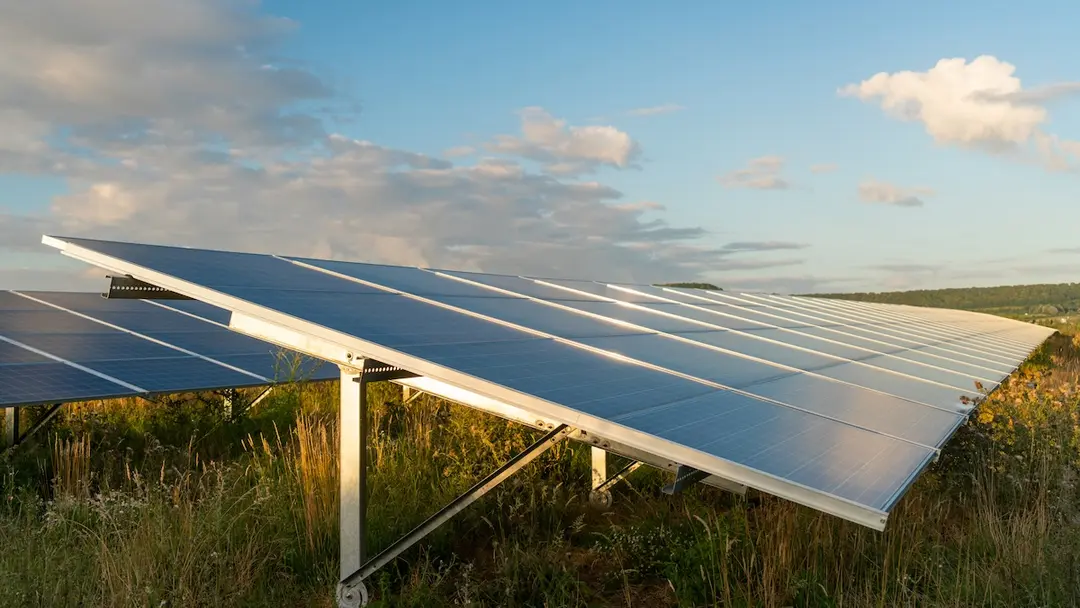
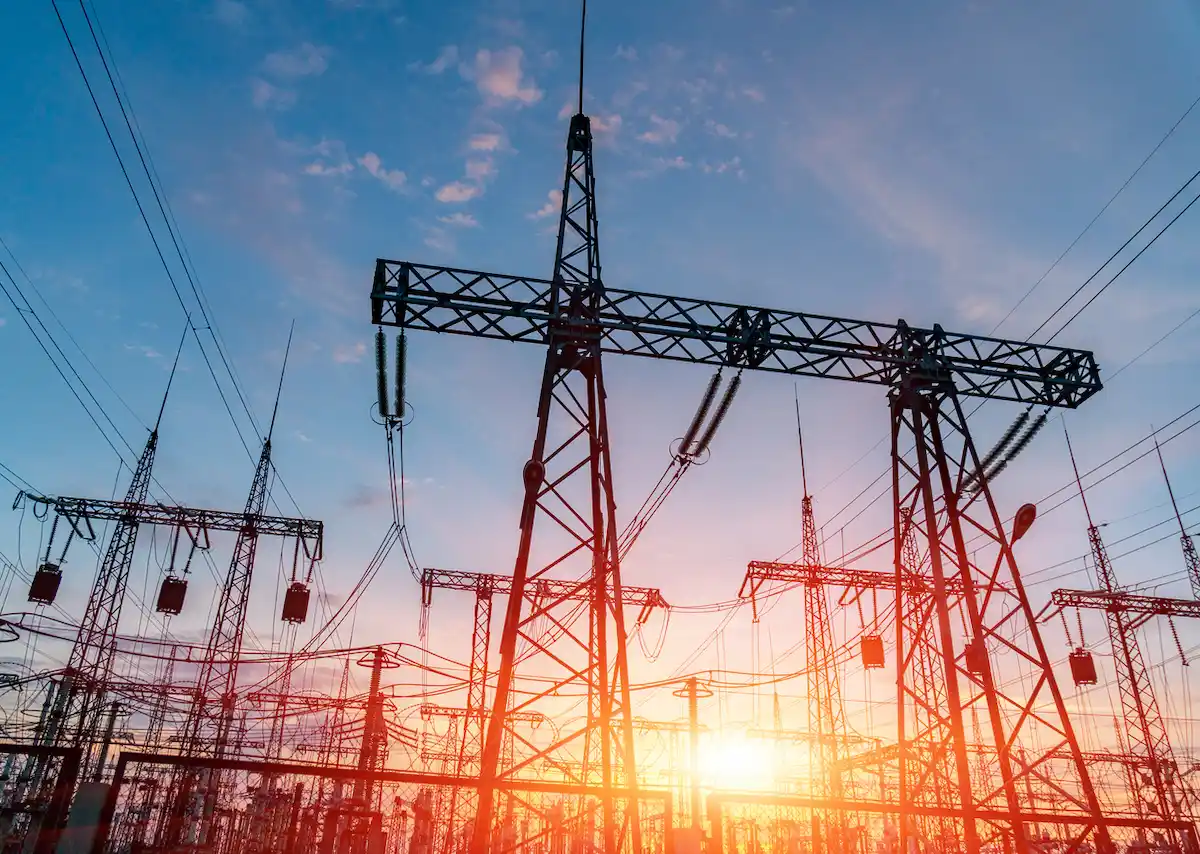
The energy dimension is particularly important. Pumping large volumes of water is an energy-intensive process, meaning that the stability of the reservoir depends not only on hydrology but also on reliable and affordable electricity supply. For this reason, projects combining solar generation, energy storage systems and modern pumping equipment may become an important element of long-term water security in the region.
Katlabuh should also not be considered in isolation. It forms part of a broader system of Danube lakes and reservoirs whose water balance is interconnected with the hydrological regime of the Danube.
In the assessment of the Institute of Danube Research, the current situation provides a strong argument for developing a dedicated long-term water resilience programme for the Ukrainian Danube region.
Under conditions of low water levels and increasing hydrological variability, the replenishment of Katlabuh, Lake Kytai and other water bodies is no longer merely a land-reclamation issue. It is simultaneously a matter of food security, environmental protection, energy resilience and the socio-economic stability of southern Odesa region.
The strategic objective should therefore be not only to raise Katlabuh to the target level of 1.7 metres in 2026, but to create a system capable of maintaining a sustainable water balance over the coming years.
 Romania
 Hungary


 Moldova

 Bulgaria
 Danube

 Serbia