

Ukraine prepares preliminary feasibility study for the modernization of the Odesa–Reni road with a possible Danube bridge
 Ukraine
19.06.2026
Ukraine
19.06.2026
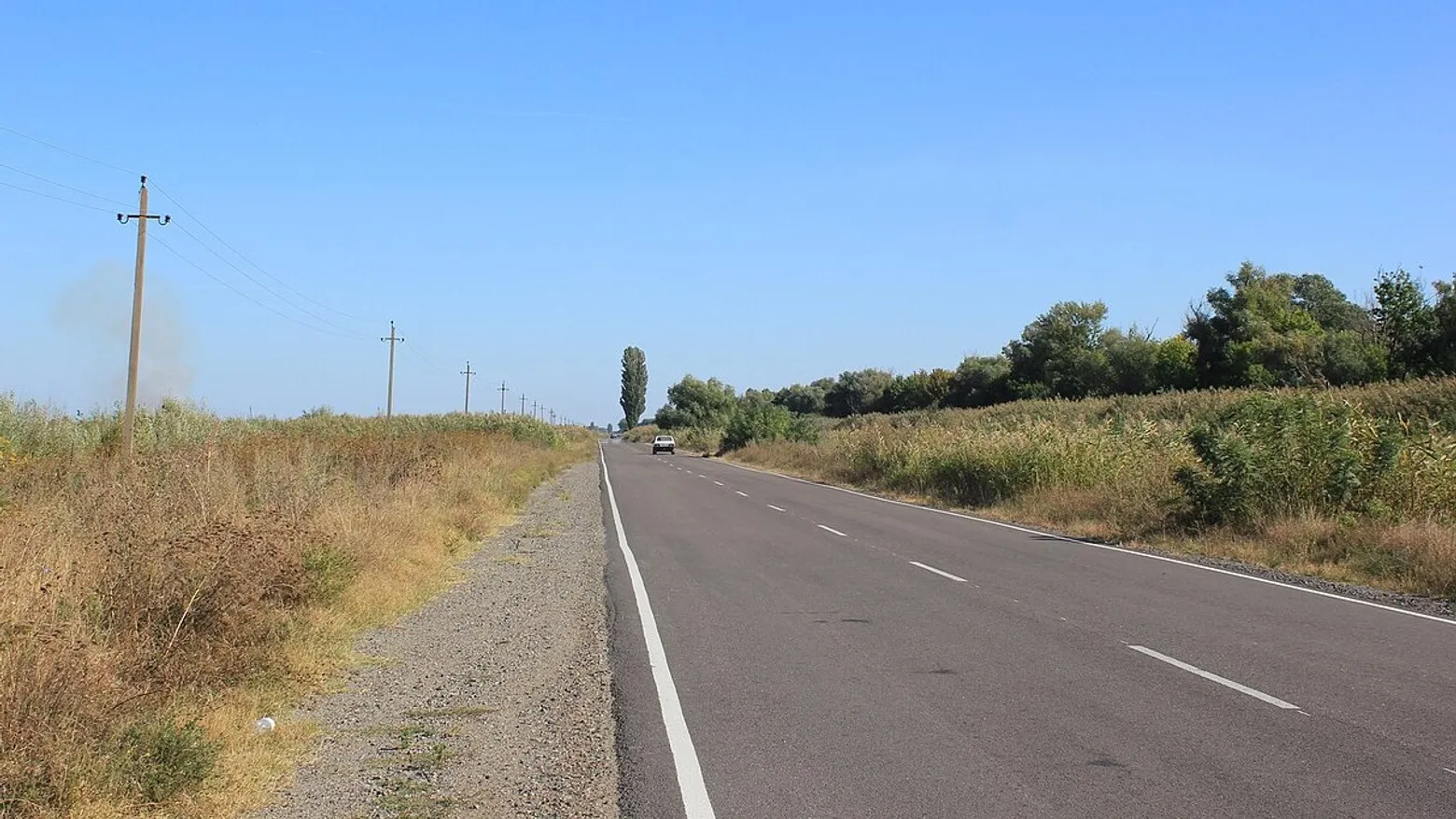
A preparatory stage is beginning in southern Odesa region for one of the largest infrastructure projects of recent years — the comprehensive modernization of the M-15 Odesa–Reni highway.
On June 17, the Agency for Public-Private Partnership Support signed a contract with the consulting company KPMG-Ukraine to prepare a preliminary feasibility study for the project. This study is expected to become the basis for a subsequent investment decision.
The project is not limited to basic road surface repairs. It envisages a comprehensive approach to the development of a transport corridor connecting Odesa, the southern part of the region, the Danube ports and international border crossing points on the route to Romania and further into the European transport network.
The estimated length of the road section to be modernized is about 300 km. The consultants will have eight months to prepare the work plan and the preliminary feasibility study.
The project preparation will consider road widening, the development of logistics hubs, the construction of bypass roads, reconstruction of the bridge crossing over the Dniester near the village of Mayaky, interchanges on the M-28 and M-14 roads, as well as dozens of other engineering structures.
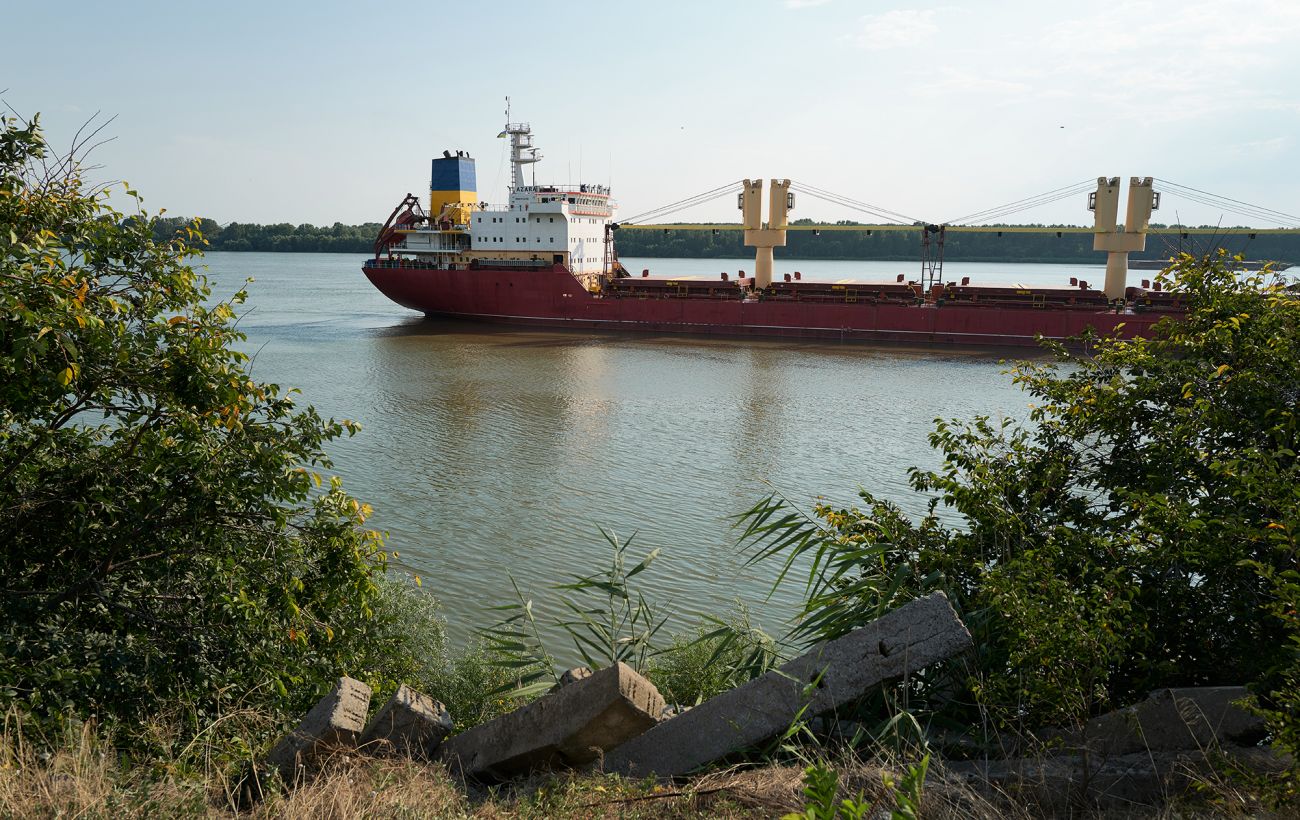
A separate strategic element may be the construction of Ukraine’s first bridge crossing over the Danube on the Ukrainian-Romanian route. Earlier reports indicated that such a bridge could replace the Orlivka–Isaccea ferry crossing. The preliminary cost of this facility was estimated at UAH 11.2 billion.
The modernization of the Odesa–Reni road is being considered as a pilot project under the new Ukraine Project Preparation Framework, implemented with the participation of the World Bank.
Comment by the Institute of Danube Research
The Institute of Danube Research considers the preparation of a preliminary feasibility study for the modernization of the Odesa–Reni road an important step toward rethinking the role of the Ukrainian Danube region in national transport policy.
“The Odesa–Reni road has long ceased to be merely a regional highway. Since the beginning of the full-scale war, it has effectively become one of the key corridors of Ukraine’s economic resilience, providing connectivity with the Danube ports, Romania, Moldova and the wider European space. Therefore, its modernization should be viewed not as an isolated road project, but as an element of Ukraine’s long-term integration into the EU transport system,” said Vitaliy Barvinenko, Director of the Institute of Danube Research.
According to the Institute, the comprehensive nature of the approach is of particular importance. The reconstruction of the road should be synchronized with the development of port infrastructure in Izmail, Reni and Ust-Dunaisk, the modernization of border crossing points, the construction of logistics hubs, the development of railway access routes and stronger cross-border coordination with Romania and Moldova.
“The potential Danube bridge in the Orlivka–Isaccea area may have not only transport but also geoeconomic significance. It could reduce dependence on ferry services, increase the predictability of freight and passenger flows, and create a new level of connectivity between Ukraine and Romania. At the same time, this project requires very careful economic, environmental and security assessment,” the IDR emphasized.
The Institute of Danube Research also notes that the future feasibility study should take into account not only construction costs, but also the long-term model for managing the corridor: funding sources, public-private partnership mechanisms, operating costs, capacity, impact on communities in southern Odesa region and opportunities for integration into the TEN-T network.
“If Ukraine aims to transform the Danube region into a fully-fledged European transport and logistics hub, the Odesa–Reni road must become a modern, safe and predictable artery. The preliminary feasibility study is only the first stage, but it is precisely at this stage that the correct logic must be embedded: not patching problems, but creating a strategic development corridor,” Vitaliy Barvinenko concluded.
Thus, the modernization of the Odesa–Reni road may become one of the key infrastructure projects for the post-war recovery of southern Ukraine, the strengthening of Danube logistics and deeper transport integration with the European Union.

 Bulgaria
 Hungary
 Romania
 Moldova
 Serbia

 Danube