

Ukraine, the EU, Moldova and Romania discuss strengthening the Danube logistics route
 Ukraine
30.07.2026
Ukraine
30.07.2026
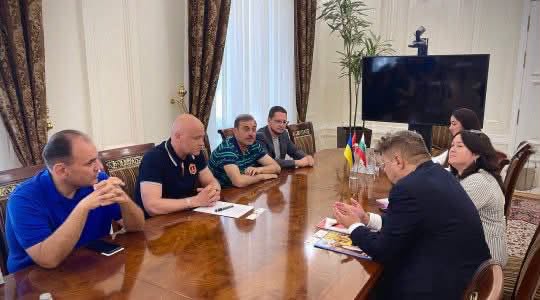
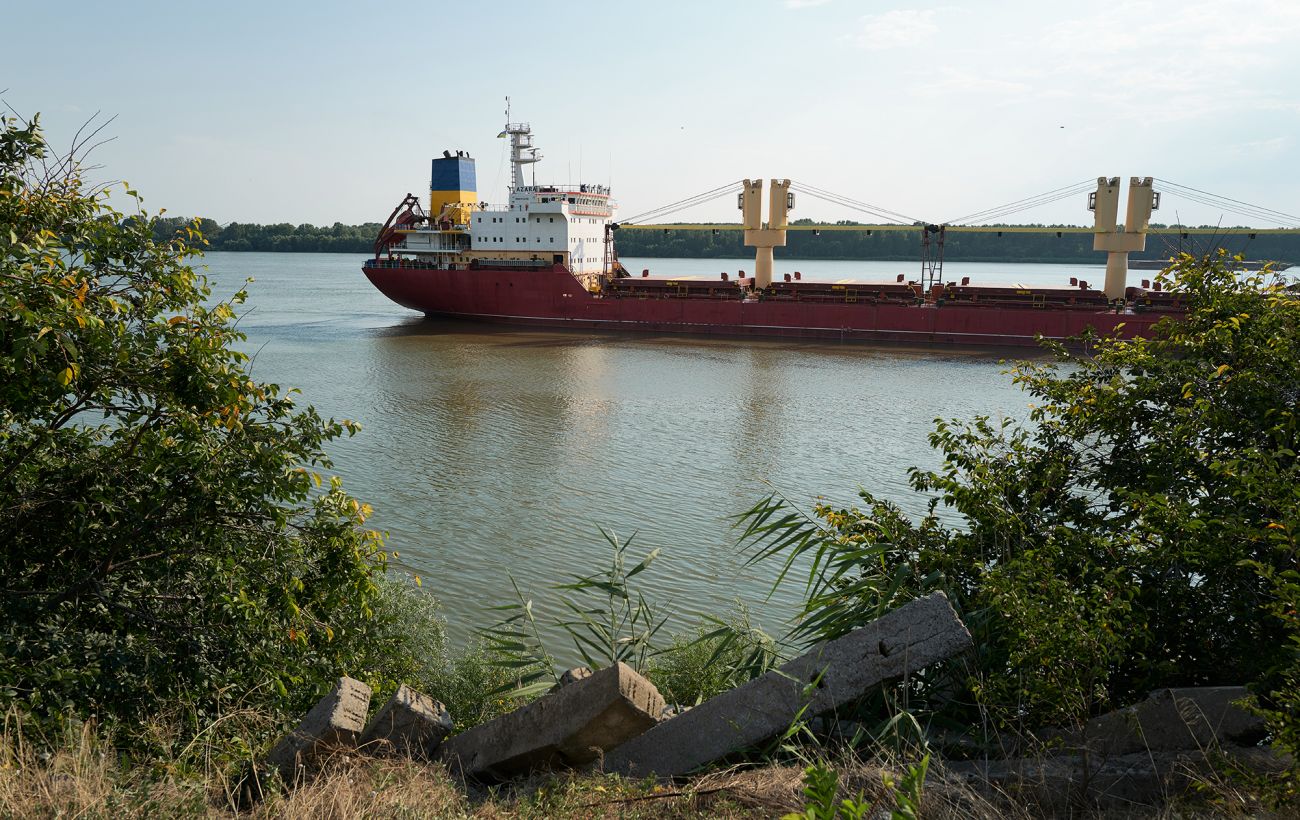
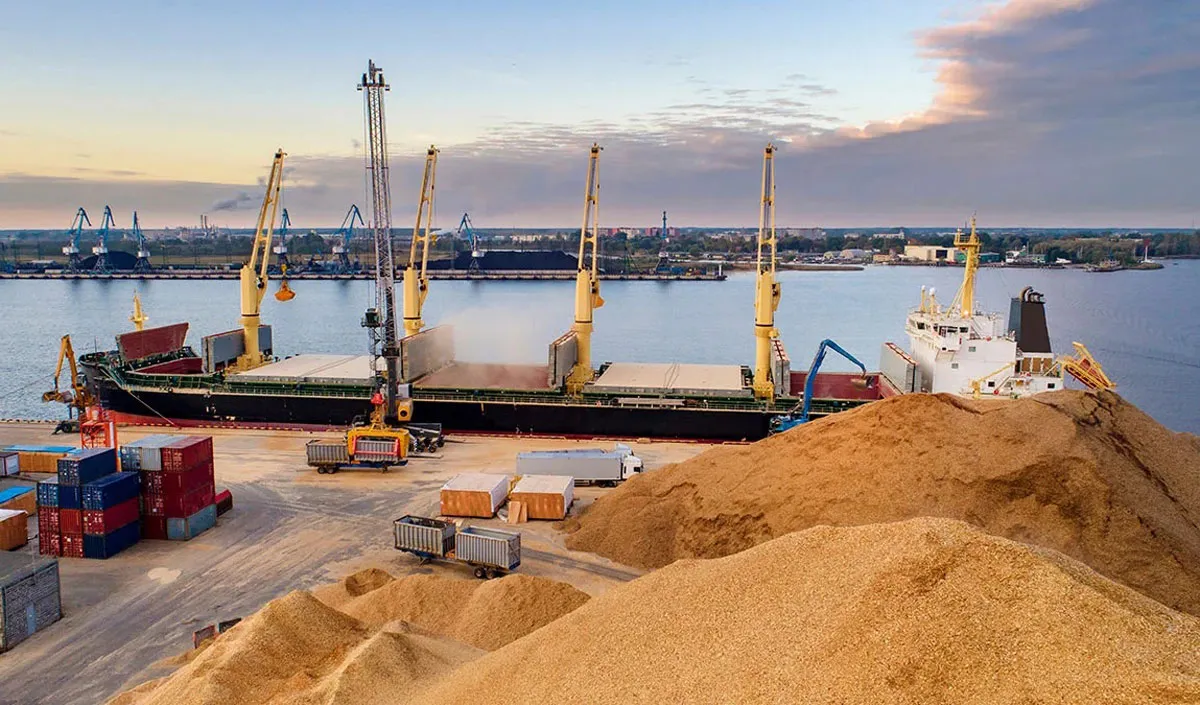
Representatives of Ukraine, the European Commission, Moldova and Romania held a quadrilateral meeting focused on developing the Solidarity Lanes, increasing the capacity of Danube region ports and ensuring stable exports of Ukrainian products amid intensified Russian attacks on port infrastructure.
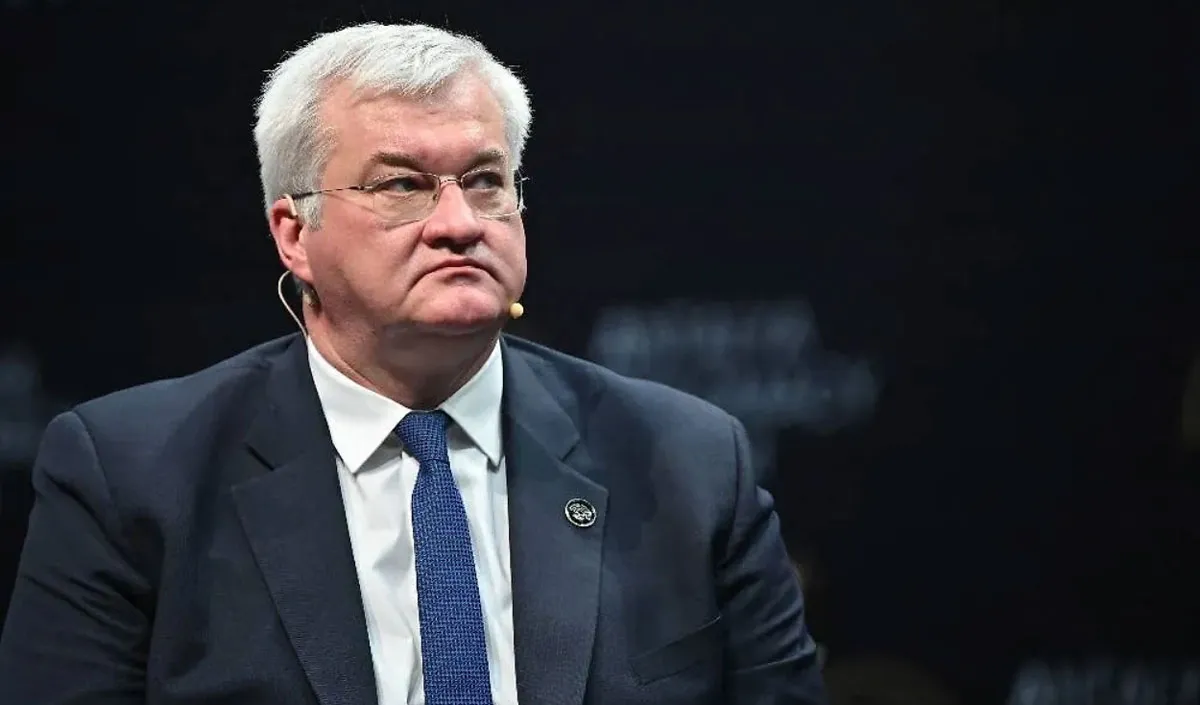
Ukraine was represented by First Deputy Minister for Restoration, Infrastructure and Transport Serhii Derkach, Deputy Minister Andrii Kashuba, as well as representatives of the Ukrainian Sea Ports Authority and Ukrainian Railways. The situation regarding grain exports was presented by Minister of Agrarian Policy and Food of Ukraine Taras Vysotskyi.
The European Commission was represented by Magda Kopczyńska, Director-General of the Directorate-General for Mobility and Transport. Romania was represented by State Secretary of the Ministry of Transport Ionel Scrioșteanu, while Moldova was represented by State Secretary Mircea Păscăluță.
The meeting was prompted by intensified Russian attacks on civilian port infrastructure, merchant vessels and crews. According to the Ukrainian ministry, the latest large-scale strikes effectively led to a temporary suspension of vessel calls at Ukrainian ports.
Despite daily threats, Ukrainian ports continue to operate. At the same time, Russia’s systematic attacks create risks for freedom of navigation, international trade and global food security.
The parties focused on practical solutions to increase the capacity of the Danube logistics route. Discussions covered the development of ports in Ukraine, Romania and Moldova, improvements to railway, road and border infrastructure, shorter customs and border-control procedures, as well as the mobilisation of European financing for infrastructure modernisation.
“Together with our partners, we are strengthening alternative export routes. The Danube route and the Solidarity Lanes must ensure the stable movement of Ukrainian cargo even under constant security threats. Our common task is to increase the capacity of ports and border crossings, eliminate bottlenecks and create predictable conditions for transportation,” Serhii Derkach stated.
According to the ministry, since the launch of the Ukrainian maritime corridor in September 2023, 209.3 million tonnes of cargo have been transported through the ports of Greater Odesa, including 124.1 million tonnes of grain. During this period, 8,222 vessels passed through the corridor.
Since the beginning of 2026, Ukrainian seaports have handled 46 million tonnes of cargo. Of this amount, 42.2 million tonnes were processed by the ports of Greater Odesa, while another 3.8 million tonnes were handled by the ports of the Danube region.
The ports of Greater Odesa account for around 90% of Ukraine’s agricultural exports, which are supplied to more than 55 countries worldwide. Therefore, the stability of maritime and land routes is important not only for Ukraine’s economy, but also for global food markets.
Comment by the Institute of Danube Research
The Institute of Danube Research emphasises that the development of the Danube logistics route should be viewed not merely as a temporary response to wartime risks, but as a long-term component of Ukraine’s European transport policy.
“The Danube has already demonstrated its strategic role in supporting Ukrainian exports. However, its potential should not be used only in times of crisis, when maritime routes are under threat. Together with Romania, Moldova and the European Union, Ukraine must develop a permanent multimodal corridor connecting ports, railways, roads, border crossings and inland waterways.
Particular attention should be paid to the modernisation of the ports of Reni, Izmail and Ust-Dunaisk, the development of railway access routes, the simplification of border procedures and the coordination of infrastructure projects with Romania and Moldova. European funding should be directed not at isolated local facilities, but at establishing an integrated logistics system for the Lower Danube,” the Institute noted.
According to IDR experts, the quadrilateral Ukraine–EU–Romania–Moldova format should become a permanent coordination mechanism with a clearly defined list of joint infrastructure projects, funding sources and implementation deadlines.

 Bulgaria
 Hungary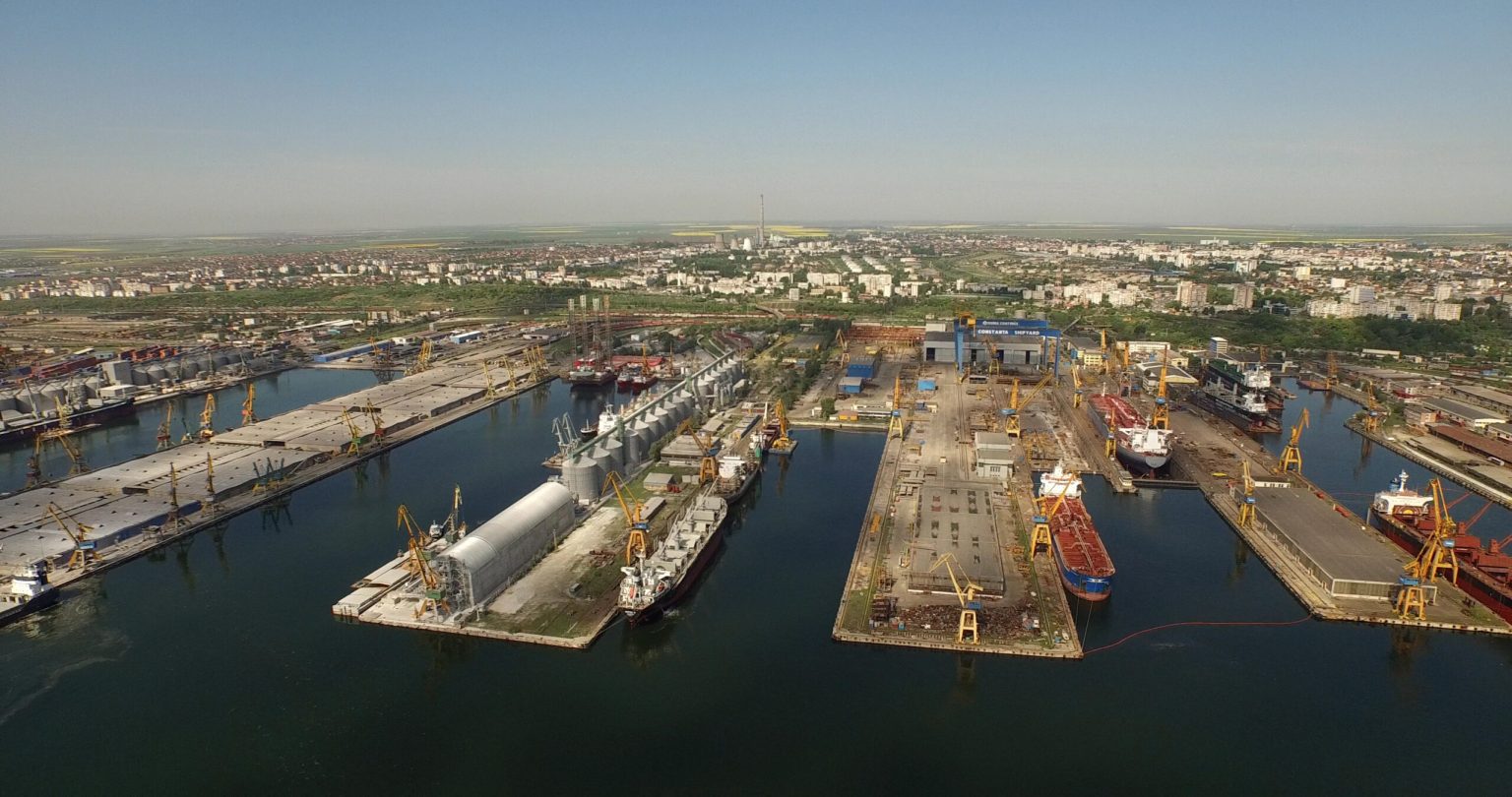
 Romania
 Moldova
 Serbia

 Danube