

Ukraine’s Rail Grain Transit Accelerates: Slovakia Becomes the Leading Route
 Slovakia
28.09.2026
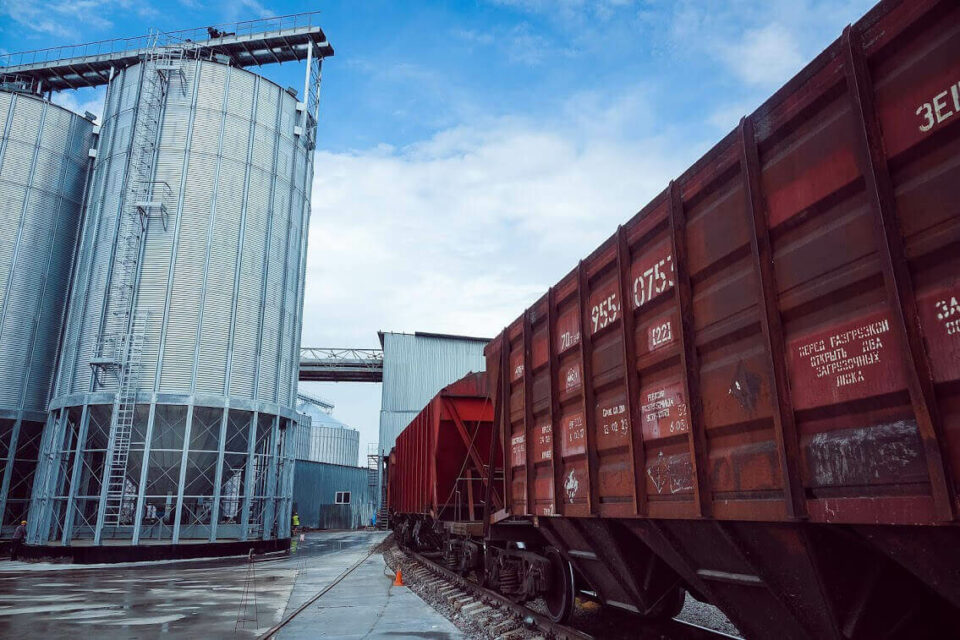
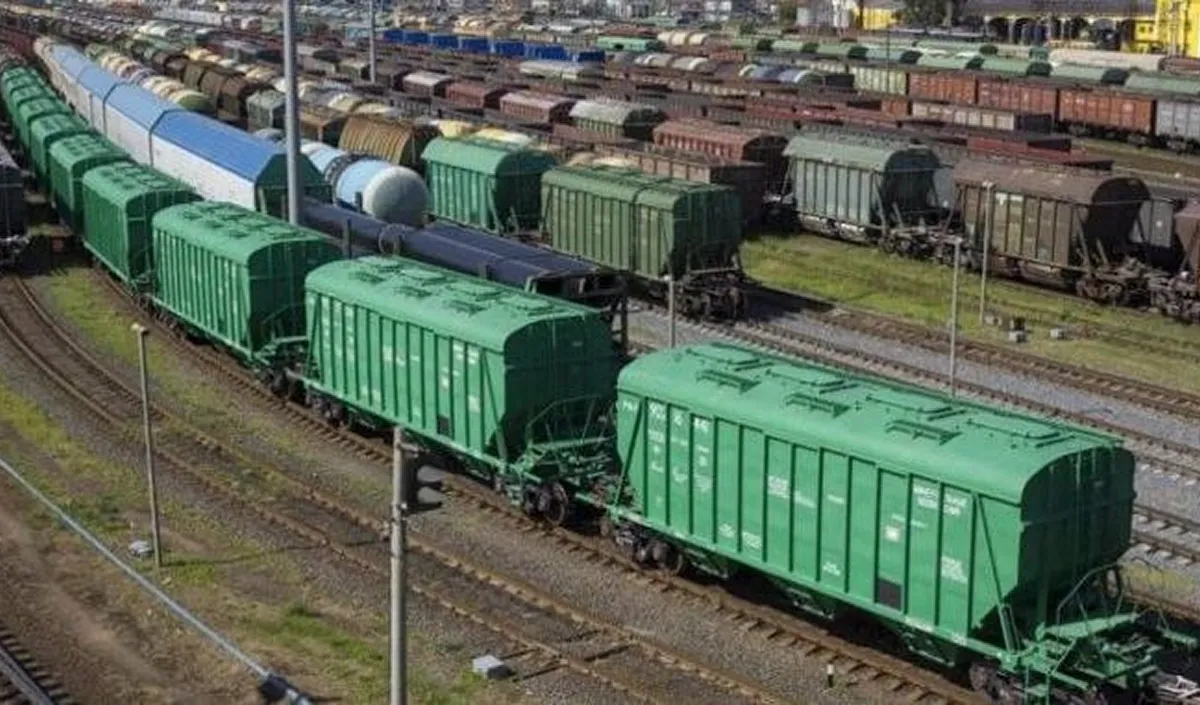
Rail transportation of Ukrainian grain through western border crossings increased significantly in September. By the end of the last full week of the month, the average daily transfer rate reached 256.5 grain wagons, compared with 193 wagons per day in August — an increase of roughly one third.
Slovakia became the leading destination. An average of 76 grain wagons per day are currently moving through Ukrainian-Slovak border crossings, 35 more than in August.
Hungary ranks second by the current average daily figure, with 64 wagons per day, up by 14.6 wagons compared with August.
Romania receives an average of 58.1 grain wagons per day, an increase of 12.6 wagons. Poland is almost at the same level, with 58 wagons per day, although its increase compared with August was only 1.4 wagons.
Accordingly, the current ranking by average daily rail flows is as follows: Slovakia — 76 wagons, Hungary — 64, Romania — 58.1 and Poland — 58 wagons per day.
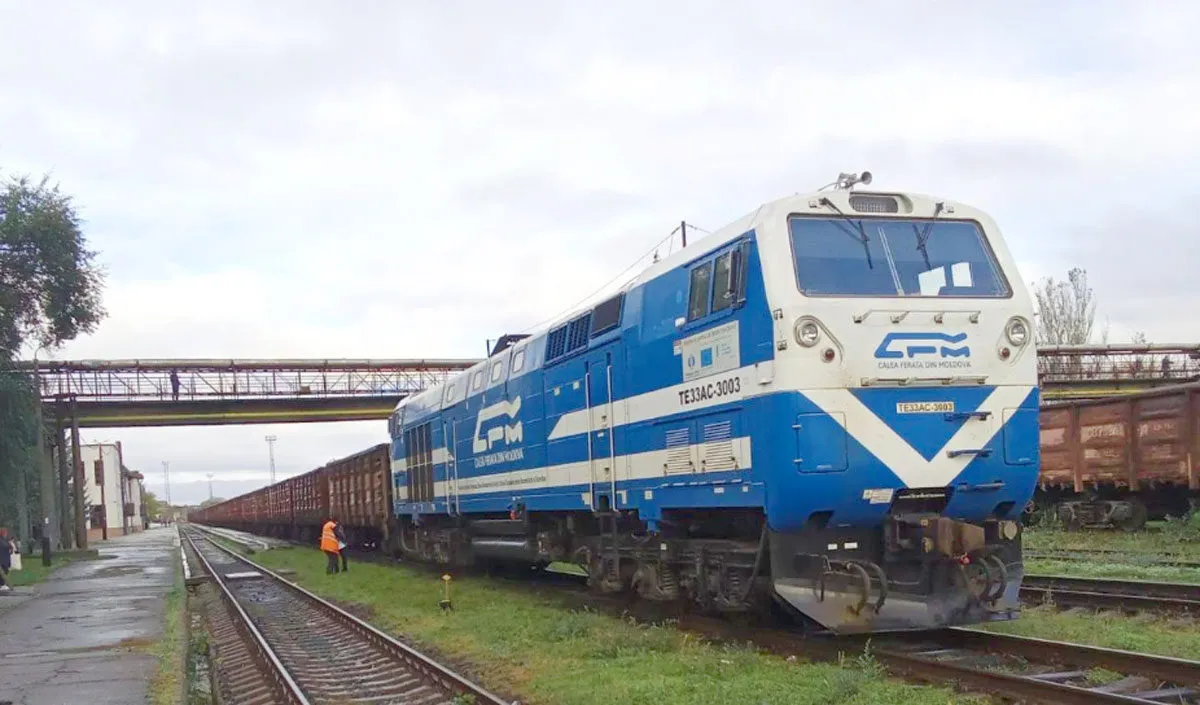
A separate transit route through Moldova is also gradually developing. In the first half of September, Ukrainian grain transit through the Moldovan railway system was estimated at around 15–20 wagons per day. From mid-August to the end of the current working week, approximately 520 wagons carrying Ukrainian grain passed through Moldova.
A significant share of these shipments moves through Moldova towards Romania and further to the Port of Constanța.
At present, however, the Moldovan route remains considerably smaller than the main western border crossings. Infrastructure conditions, rolling-stock availability and the speed of border procedures continue to limit its capacity.
Comment by the Institute of Danube Research
September’s figures show not only an increase in Ukrainian grain transportation by rail, but also a clear diversification of export geography.
The Slovak route is particularly noteworthy. Compared with August, the number of grain wagons moving through Slovakia has almost doubled, demonstrating the logistics market’s ability to rapidly redistribute cargo flows between alternative corridors.
Another important trend is the convergence of volumes through Hungary, Romania and Poland. The difference between the Romanian and Polish routes is now only 0.1 wagon per day. This means that competition between western corridors will increasingly depend not only on geography, but also on transshipment speed, tariffs, wagon availability and the capacity of border infrastructure.
The Moldovan corridor is not yet able to compete with the main western routes in terms of volume. Its value lies elsewhere: it provides an additional link between the Ukrainian railway network, Romania and the Port of Constanța.
For Ukraine, the strategic objective is therefore not to identify a single route capable of replacing maritime exports, but to develop a network of complementary corridors through Slovakia, Hungary, Poland, Romania and Moldova.
Such a model makes export logistics more resilient: if one route becomes overloaded or faces security or infrastructure constraints, part of the cargo flow can be redirected to another corridor.

 Romania

 Hungary
 Ukraine


 Moldova




 Bulgaria
 Danube

 Serbia