

USPA to resume coordinating vessel passage to Ukrainian ports through the Sulina Canal
 Ukraine
19.08.2026
Ukraine
19.08.2026
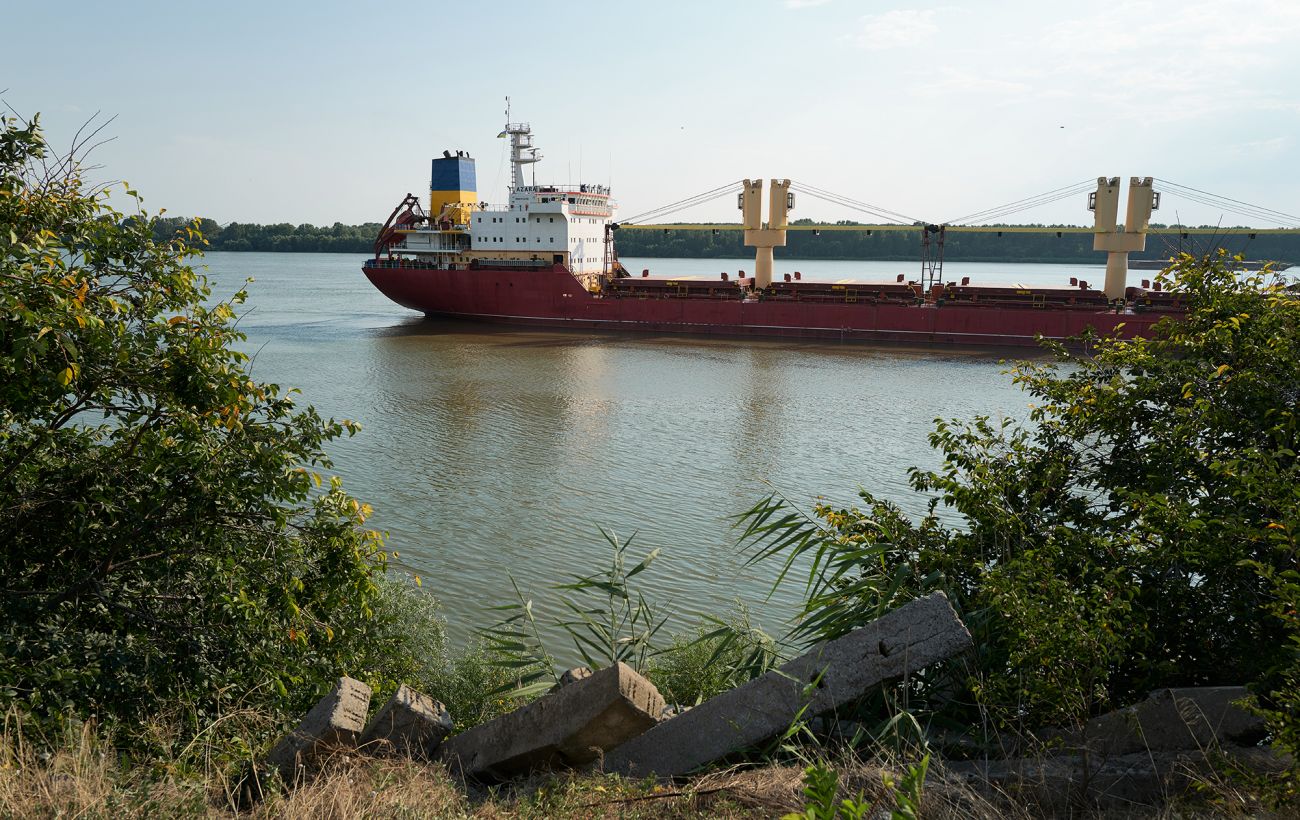
Vessels heading to Ukraine’s Danube ports will pass through the Sulina Canal according to the queue established by the Ukrainian Sea Ports Authority (USPA).
This was reported by Kateryna Kononenko, Operations Manager at Avalon Shipping.
The decision was taken after USPA reported that, between 7 and 11 August, ten vessels had entered Ukrainian ports without being included in the agreed priority list. The restoration of centralised coordination is expected to ensure a more transparent allocation of the canal’s available capacity and compliance with the established passage order.
The quota-based allocation of available pilots also remains in effect. Under this arrangement, 40% of pilotage capacity is reserved for vessels heading to Ukrainian ports, another 40% for vessels bound for Romanian ports, and 20% for vessels travelling to Moldova’s Port of Giurgiulești.
For vessels heading to Romania and Moldova, the order of passage will be determined according to their arrival time and the submission of the required documentation.
This mechanism is stipulated in the agreement of 26 May 2022. The Sulina Canal Administration will now verify compliance with the established procedure on a daily basis.
Comment by the Institute of Danube Research
Restoring USPA’s coordinating role is critically important for the predictability of operations at Ukraine’s Danube ports. Given the limited capacity of the Sulina Canal and the shortage of available pilots, a transparent queue-management system can reduce the risks of unequal access, vessel delays and additional costs for cargo owners.
The Sulina Canal remains one of the principal routes connecting the Ukrainian ports of Reni, Izmail and Ust-Dunaisk with the Black Sea. Consequently, stable passage rules directly affect export continuity, freight rates and the competitiveness of Ukraine’s entire transport system in the Lower Danube region.
At the same time, the quota-based allocation of pilots can only be effective if it is supported by transparent oversight, rapid information exchange and the non-discriminatory application of agreed procedures. Daily monitoring by the Sulina Canal Administration should reduce the number of unauthorised passages and strengthen market participants’ confidence in the queue-management mechanism.
In the longer term, it is necessary not only to ensure compliance with the existing arrangements but also to expand the capacity of the Danube transport routes. This will require continuous coordination between Ukraine, Romania and Moldova, the development of a digital vessel traffic management system, the training of additional pilots and the modernisation of navigation infrastructure along the Lower Danube.

 Bulgaria
 Hungary
 Romania
 Moldova
 Serbia

 Danube