

Critically Low Danube Water Levels Strand Cruise Ships in Hungary
 Hungary
16.07.2026
Hungary
16.07.2026
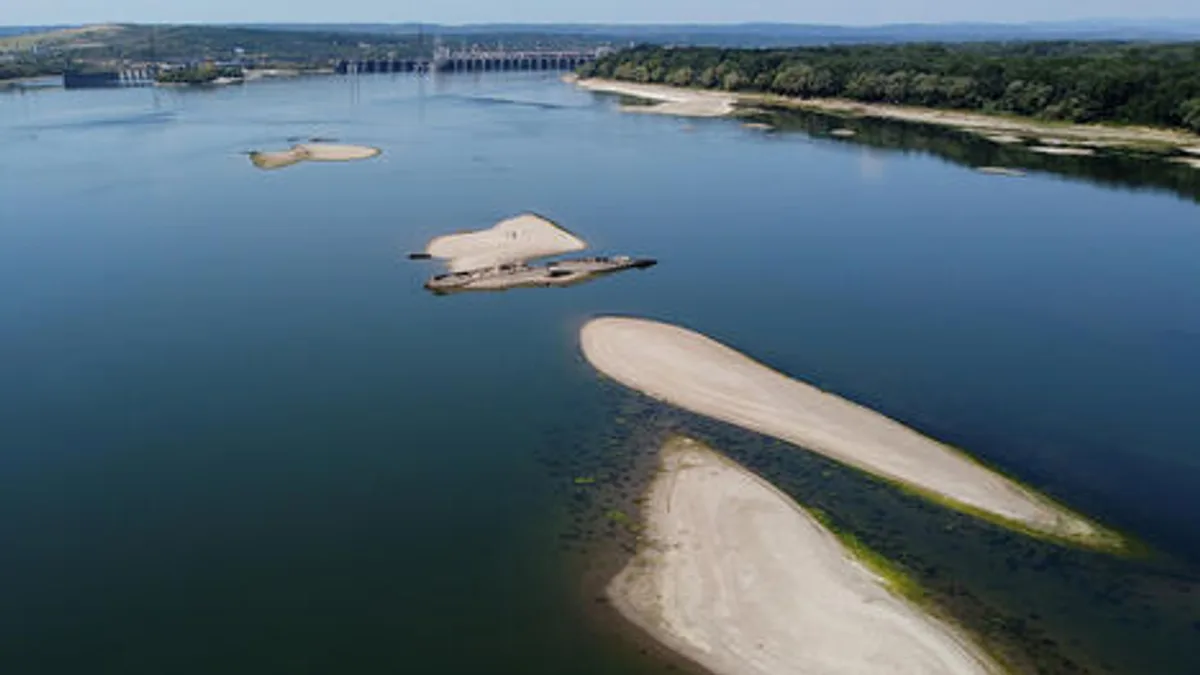
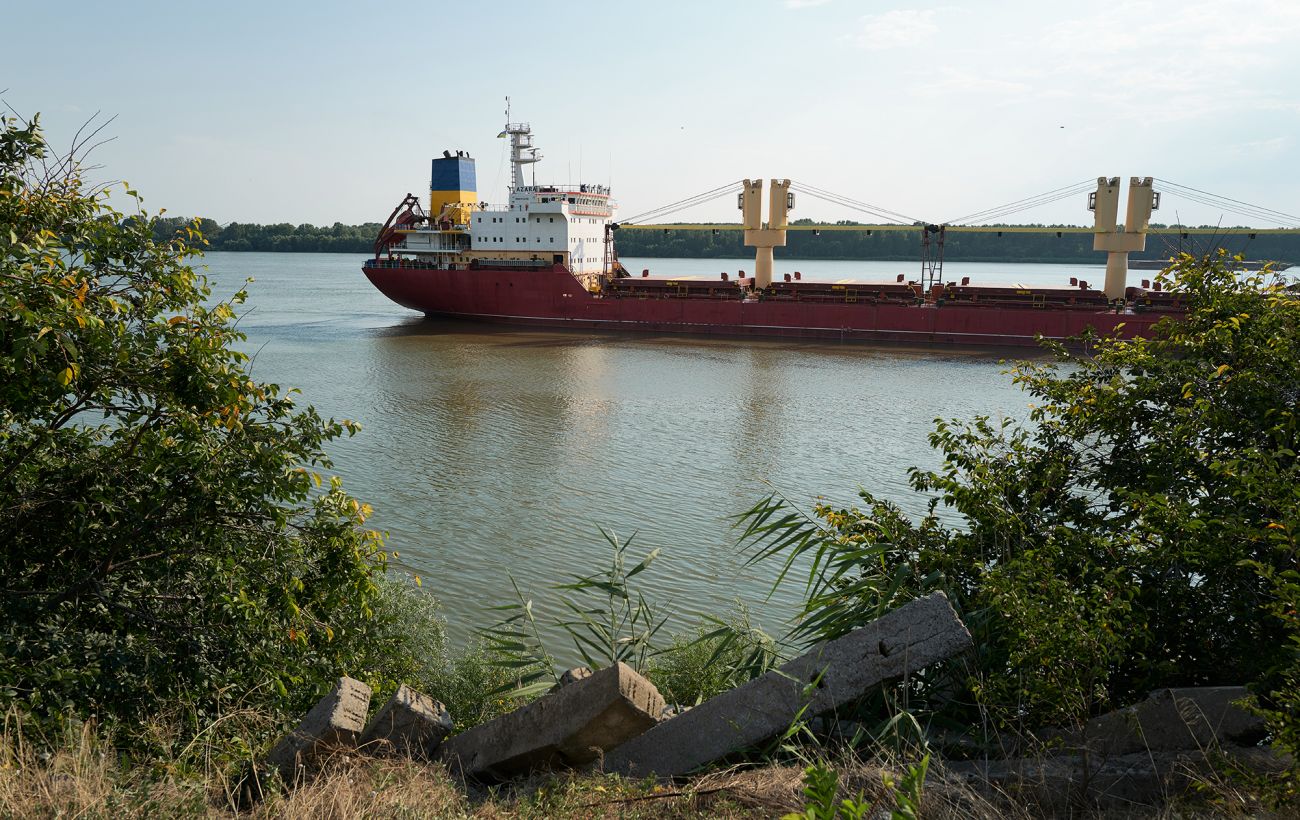
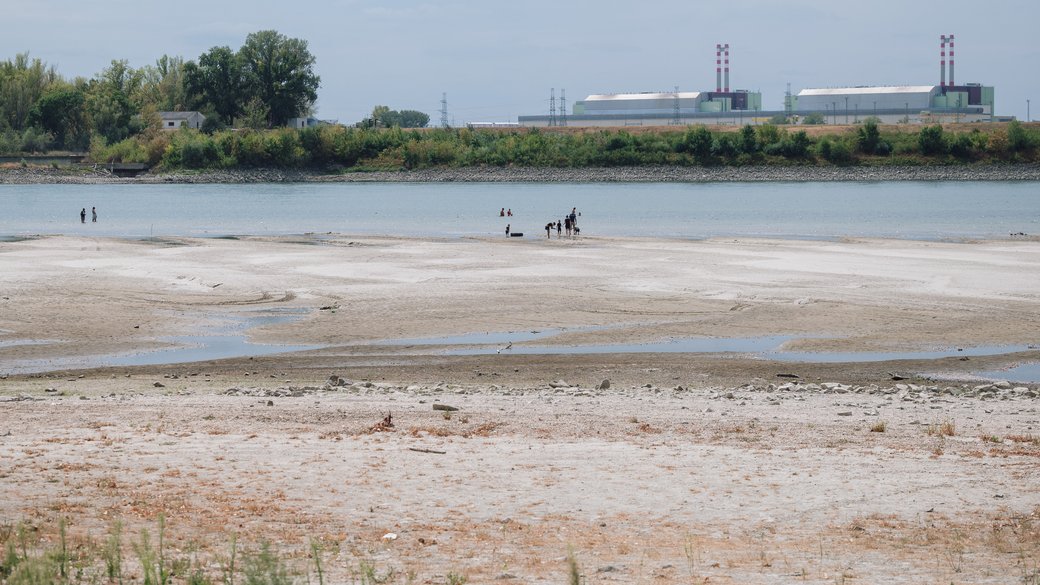
Near-record-low water levels on the Danube have disrupted river tourism in Hungary. Some cruise ships are unable to continue their journeys, while sightseeing services to towns north of Budapest have been temporarily suspended.
As of the morning of 16 July 2026, the Danube water level in Budapest stood at 41 centimetres, only eight centimetres above the historic minimum recorded in 2018. At the same time, the Hungarian hydrological service forecasts a gradual rise in water levels: by 19 July, the level could increase to approximately 68–77 centimetres, and by 21 July it may approach one metre.
Hungarian passenger shipping operator MAHART-PassNave reported that cruise vessels are still able to enter Hungary. However, several ships have already become stranded or have been forced to remain in ports because of insufficient navigational depths.
The company’s Chief Executive Officer, László Somogyi, noted that the decline in water levels is part of a long-term trend. Despite adaptation measures introduced by shipping companies and ports, the Danube is increasingly falling below the levels required for the normal operation of vessels.
The greatest pressure is currently being felt by the northern Hungarian ports of Gönyű and Komárom. At the same time, several cruise ships remain unable to move in Budapest and in the southern city of Mohács because they cannot continue their routes due to the extremely low water level.
International river cruises are the most economically significant segment of Hungary’s passenger shipping industry. They carry around 600,000 passengers annually and generate revenue not only for shipping operators, but also for the hotel, restaurant, excursion and other related sectors of the economy.
As a result of cancelled services, MAHART-PassNave recorded an 18% decline in bookings in July. Tourist boat trips to settlements north of the Hungarian capital have been suspended at least until the hydrological situation improves. Avalon Waterways has also been forced to cancel some of its scheduled cruises on the Danube and the Rhine.
Comment by the Institute of Danube Research
The situation in Hungary is part of a broader hydrological problem that affected a significant part of the Danube basin in July.
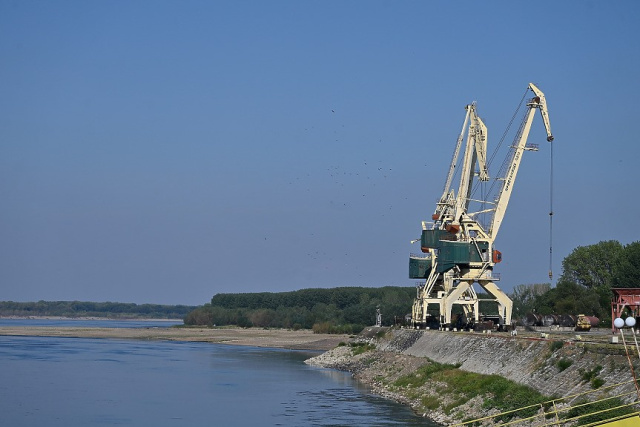
The Institute of Danube Research previously reported that six shallow-water sections had formed along the Bulgarian stretch of the river. The most problematic areas include Somovit, Belene, Batin, Svishtov and Vardim, where restrictions on vessel draught are already affecting fleet carrying capacity, transport schedules and the cost of river logistics.
Near Ruse, the Danube level fell below the conventional zero mark, creating additional risks for vessels with deeper draughts. On the Romanian–Bulgarian section of the river, low water levels also led to the temporary suspension of the Oryahovo–Bechet ferry service.
Experts from the Institute note that the critically low Danube level in Hungary and the emergence of shallow-water sections in Bulgaria demonstrate that low water is no longer a local or short-term problem. It is becoming a systemic, cross-border phenomenon affecting the entire structure of river use, from international tourism to bulk cargo transportation.
The stranding of cruise ships highlights the economic vulnerability of cities whose tourism sectors depend directly on river transport. A decline in cruise traffic affects not only shipping companies, but also local hotels, restaurants, travel agencies, port services and small businesses.
For freight navigation, low water levels mean reduced permissible draught and vessel loading, the need to divide cargo into smaller consignments, an increase in the number of voyages and higher transport costs. As a result, the competitiveness of the Danube declines in comparison with rail and road transport.
For Ukraine, this problem has direct strategic significance. The Ukrainian ports of Izmail, Reni and Ust-Dunaisk form part of a single Danube transport space. Even if depths remain stable on the Ukrainian section, restrictions in Hungary, Bulgaria or Romania may disrupt fleet schedules, reduce vessel turnover and complicate the operation of international logistics chains.
The expected short-term rise in water levels in Hungary may partially restore vessel traffic. However, it does not eliminate the long-term trend. Without a coordinated policy among the Danube states, periods of critically low water will increasingly create risks for tourism, trade, energy and the transport security of the entire region.

 Bulgaria
 Romania
 Ukraine
 Moldova
 Serbia

 Danube