

Rhine water levels in July fall to levels typical of early autumn
 Germany
15.07.2026
Germany
15.07.2026
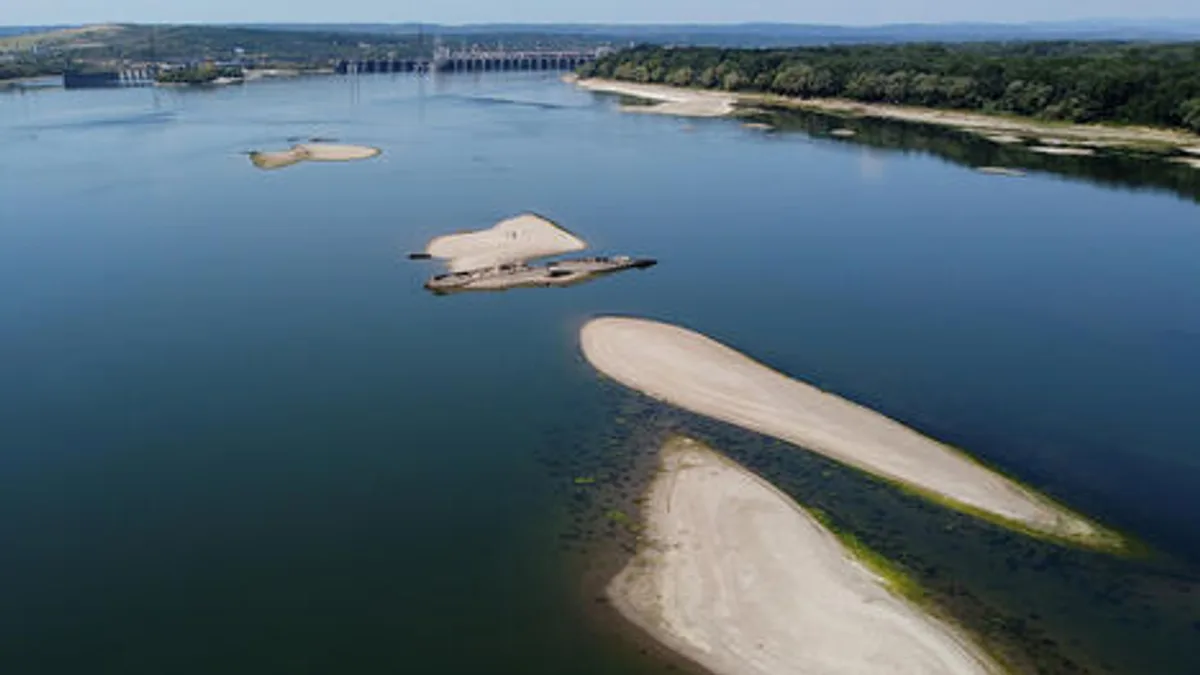
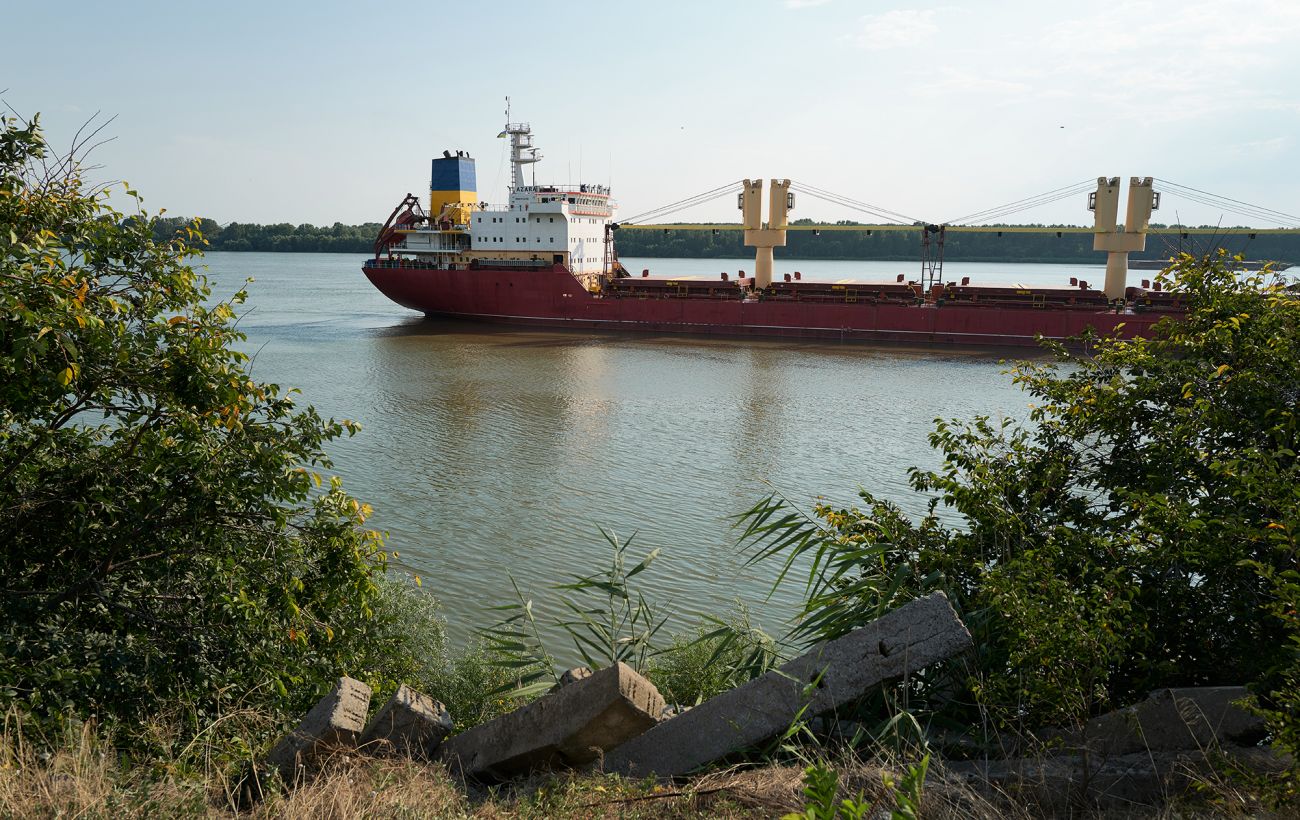
Water levels in the Rhine fell in mid-July 2026 to values usually recorded in late summer or early autumn. Low water is already significantly restricting freight navigation and increasing transport costs in Germany.
The most difficult situation has developed near the town of Kaub, one of the Rhine’s key bottlenecks close to Koblenz. On 13 July, the water level there stood at approximately 53 centimetres, while on 14 July, according to Germany’s Federal Waterways and Shipping Administration, it dropped to around 44 centimetres.
Due to insufficient water depth, cargo vessels have been forced to sharply reduce their loads. On some sections of the Rhine, vessels are carrying only about 20% of their usual cargo volume. Tanker barges can transport approximately 1,200 tonnes near Duisburg, but only around 460 tonnes when passing through Kaub.
Reduced vessel loads force cargo owners to distribute shipments among a larger number of barges. As a result, carriers are introducing low-water surcharges, while the cost of transporting cargo by tanker barge from Rotterdam to Karlsruhe has risen from approximately EUR 45 per tonne at the end of June to EUR 60–70 per tonne in mid-July.
According to market participants, a further decline in the water level to approximately 40 centimetres could halt a significant share of freight navigation through the Kaub section. The historical minimum was recorded there in October 2018, when the water level fell to 25 centimetres.
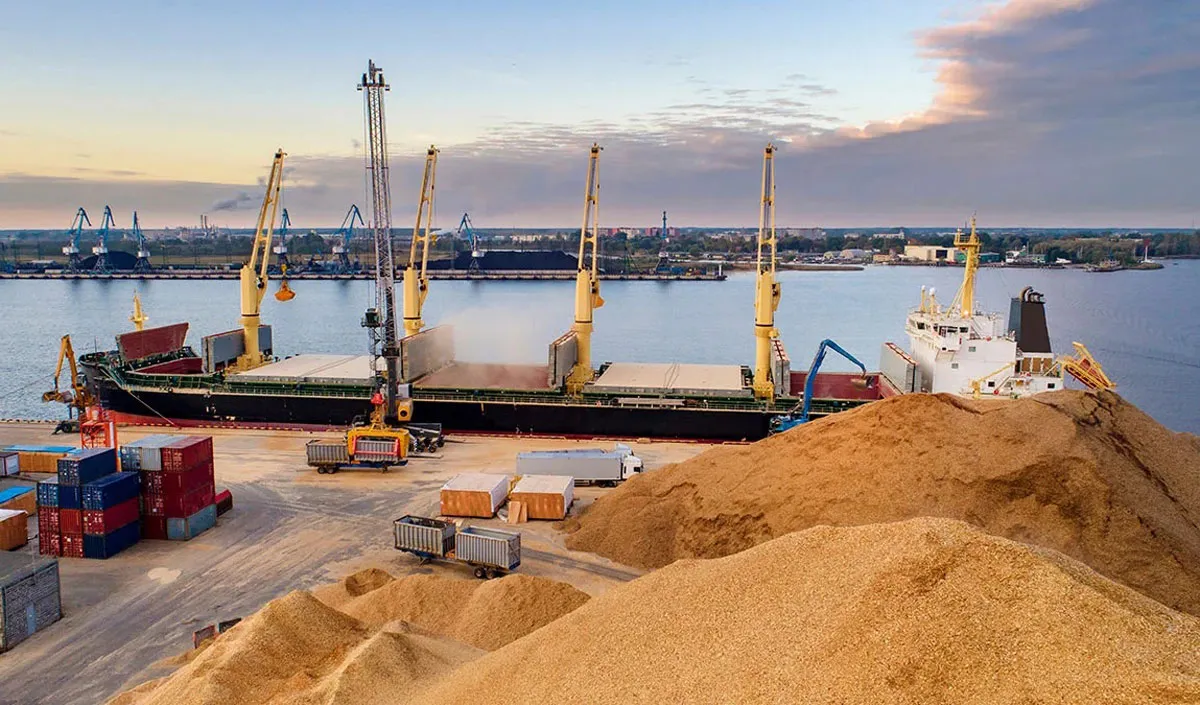
Low water levels pose risks to the supply of raw materials, fuel, construction materials, iron ore, coal and chemical products. German industrial companies are already being forced to deploy vessels with shallower draughts, reduce certain production operations and prepare alternative road and rail routes.
The problem is particularly significant amid the overall decline in inland waterway transport in Germany. In 2025, a total of 171.6 million tonnes of cargo was transported via German inland waterways, the lowest figure since the country’s reunification in 1990. Export freight transported by inland waterways fell by 4.8% to 41.1 million tonnes.
Comment by the Institute of Danube Research
As previously reported by the Institute of Danube Research, the situation on the Rhine confirms that low water levels are evolving from a seasonal natural phenomenon into a systemic risk for the European economy and transport infrastructure.
The Rhine and the Danube are parts of a single European transport area. Disruptions to navigation on the Rhine affect not only Germany’s industrial regions, but also the operations of the ports of Rotterdam, Antwerp and Duisburg, as well as the redistribution of cargo flows between river, rail and road transport.
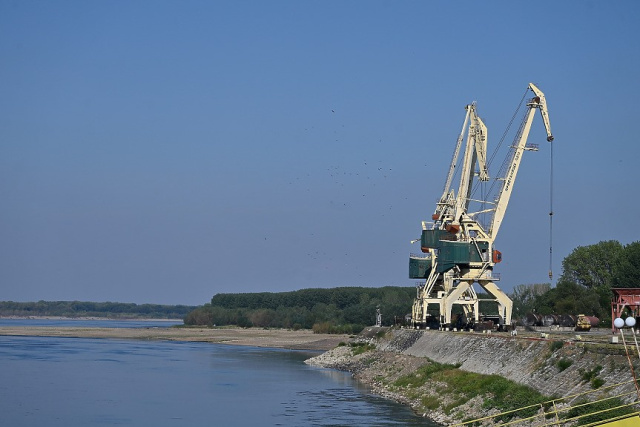
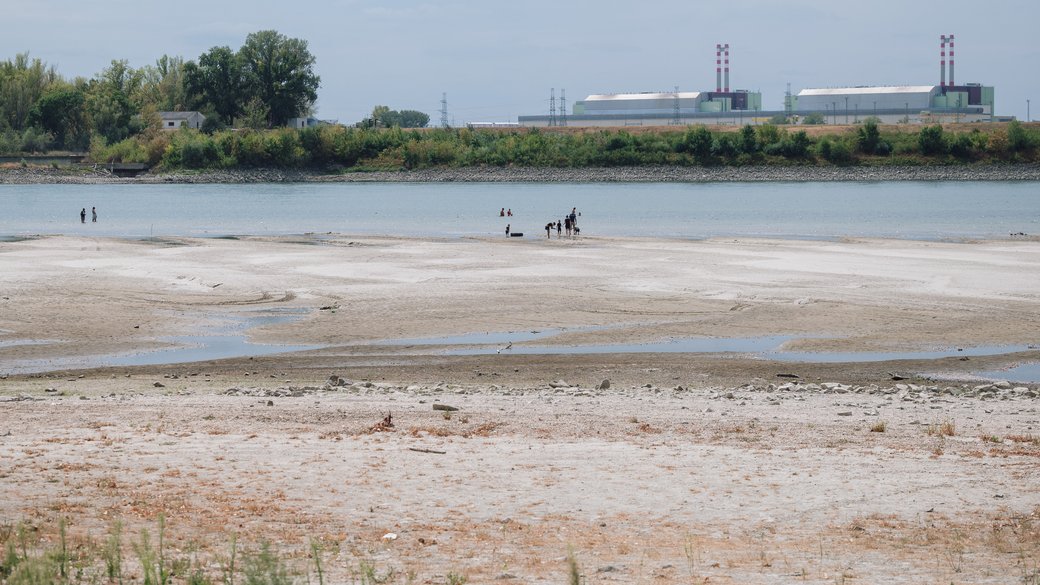
For the Danube region, developments on the Rhine serve as a warning. Similar hydrological processes are already being observed on the Danube, where falling water levels complicate vessel passage, reduce permitted loading capacities and increase transportation costs.
The Institute of Danube Research previously noted that European ports and inland waterway operators entered the summer season of 2026 facing heightened risks due to the simultaneous decline in water levels on the Rhine and the Danube. The current indicators near Kaub confirm this assessment.
“European river logistics is becoming increasingly dependent on climatic and hydrological factors. Falling water levels mean lower vessel loads, a greater number of voyages, higher freight rates and additional pressure on rail and road infrastructure.
For Ukraine, this is directly linked to the stability of the Danube transport corridor. It is necessary to develop systematic hydrological monitoring, ensure regular maintenance dredging, modernise the fleet for operations in low-water conditions and strengthen rail and road access to the ports of Izmail, Reni and Ust-Dunaisk,” said Vitaliy Barvinenko, Director of the Institute of Danube Research.
According to the Institute’s experts, the European Union and the countries of the Danube region should move away from responding to individual low-water events and towards a long-term policy for adapting inland waterways to climate change. Such a policy should include coordinated water resource management, digital forecasting of water levels, the development of multimodal routes and support for the construction of vessels with shallower draughts.

 Bulgaria
 Hungary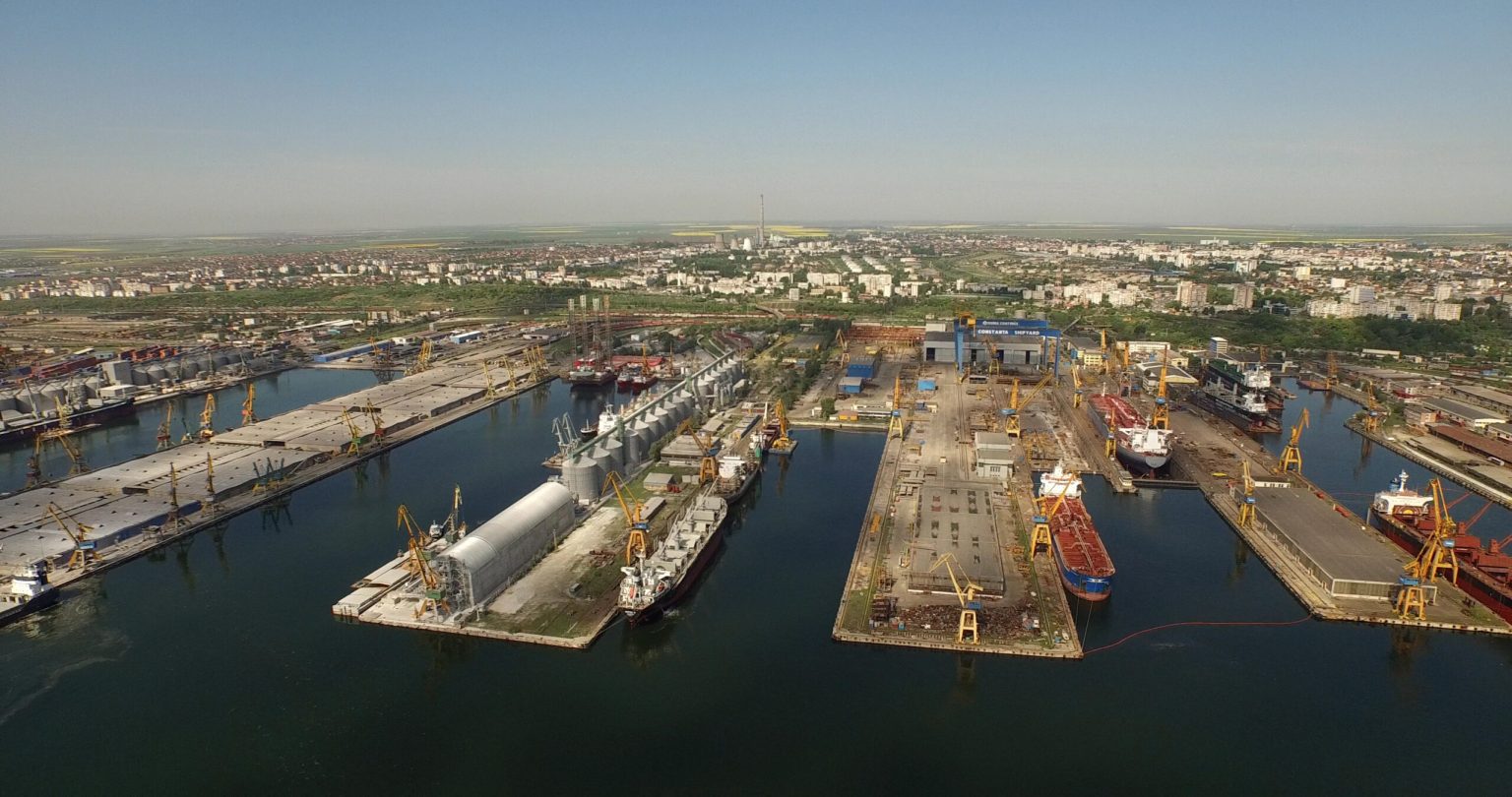
 Romania
 Ukraine
 Moldova
 Serbia

 Danube