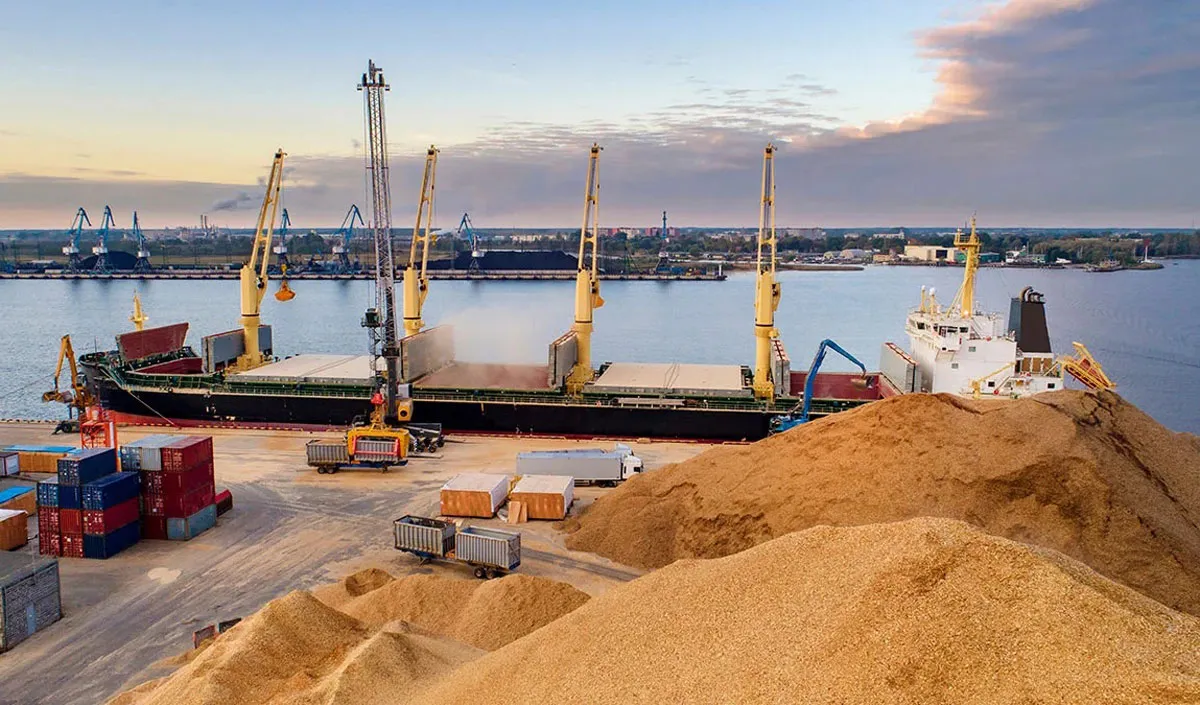


Cargo Turnover at Ukrainian Danube Ports May Fall to 5 Million Tonnes: Institute for Danube Research Calls for Systemic Support for the Region
 Ukraine
05.06.2026
Ukraine
05.06.2026
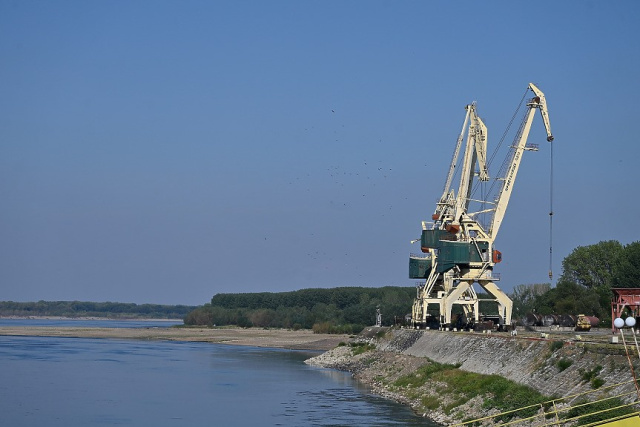
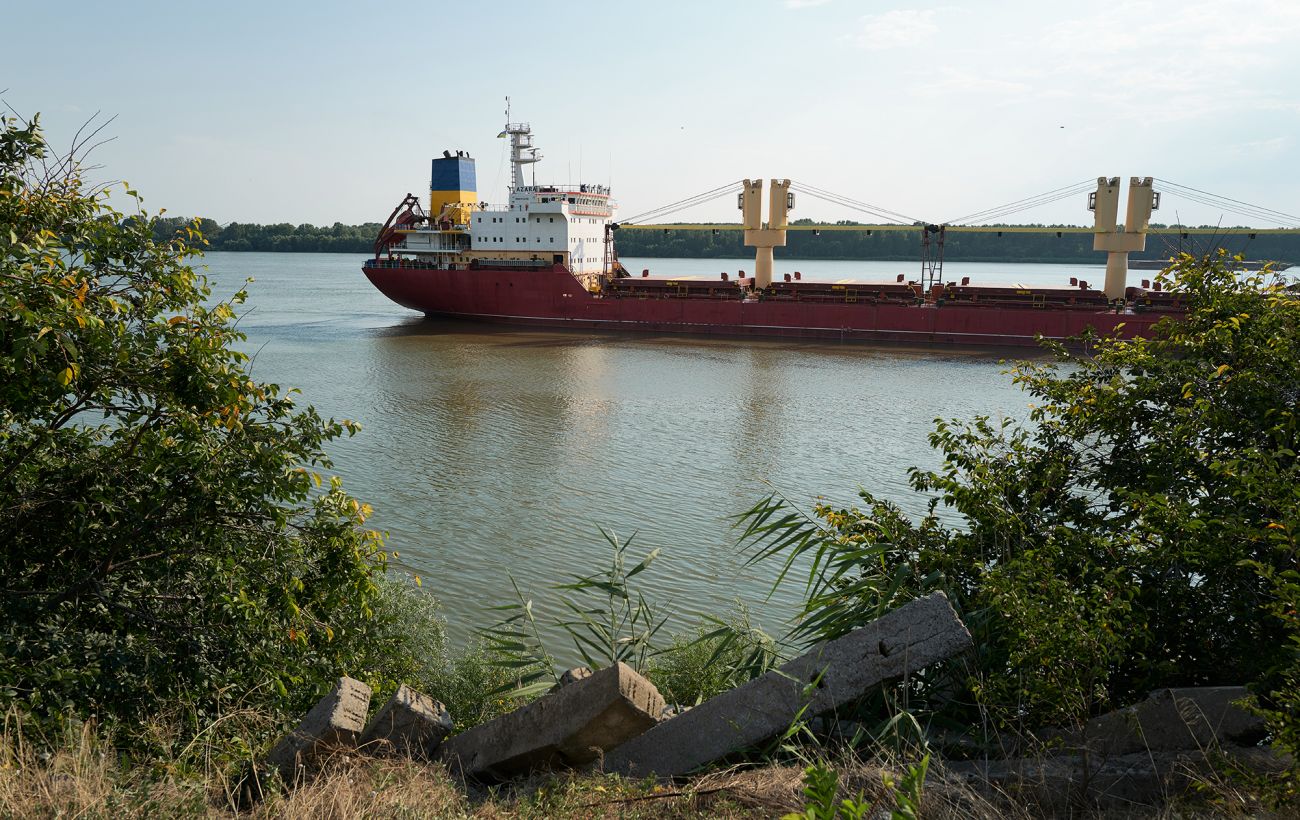
Following the restoration of stable operations at the Greater Odesa ports, Ukrainian ports on the Danube continue to lose cargo traffic. According to forecasts by the Ministry for Development of Communities and Territories of Ukraine, cargo transshipment volumes in the Danube region may decline to approximately 5 million tonnes in 2026.
This was stated by Deputy Minister for Development of Communities and Territories of Ukraine Andrii Kashuba.
After the blockade of Ukraine’s Black Sea ports in 2022, the Danube route became one of the country’s key export and import corridors. Owing to the rapid development of infrastructure, the annual handling capacity of the Danube ports increased to 35 million tonnes in 2023, while actual cargo transshipment volumes grew sixfold compared with the pre-war period.
However, following the restoration of the maritime corridor, the main cargo flows gradually returned to the Greater Odesa ports. As a result, cargo transshipment in the Danube region decreased from 17.4 million tonnes in 2024 to 8.9 million tonnes in 2025. A further decline to approximately 5 million tonnes is expected in 2026.
According to Andrii Kashuba, without additional state support measures, the region may face idle capacity at enterprises, a loss of qualified personnel and a weakening of economic activity.
The proposed solutions include the establishment of a unified management system for the Danube ports, the introduction of a mechanism enabling at least 30% of the available funds of state-owned enterprises to be reinvested in infrastructure modernisation, as well as smart tariff incentives and logistical support measures, including preferential railway tariffs for transportation to the ports of Reni and Izmail.
Comment by the Institute for Danube Research
Experts from the Institute for Danube Research emphasise that the decline in cargo transshipment volumes following the restoration of operations at the Greater Odesa ports was predictable. At the same time, this does not diminish the strategic importance of the Danube route for Ukraine’s economic and logistical security.
“The Danube ports should not be viewed exclusively as a temporary alternative during the blockade of the Black Sea. In 2022–2023, they demonstrated their ability to adapt rapidly to crisis conditions and support the country’s foreign trade. They constitute a strategic reserve for Ukraine that must be preserved and modernised,” the IDR stated.
According to Vitaliy Barvinenko, Director of the Institute for Danube Research, the development of the Danube ports should not be placed in opposition to the operations of the Greater Odesa ports. The objective is to establish a diversified logistics system capable of operating under different security scenarios.
“Ukraine needs not competition between port clusters, but a balanced logistics model. Cargo owners should receive economic incentives to use the Danube route, while state-owned enterprises should be able to direct part of their funds towards the renewal of the fleet, port infrastructure and railway approaches. Unified management of the Danube ports could become an important instrument of such a policy,” the Director of the Institute emphasised.
The Institute for Danube Research notes that preserving the port capacity of Izmail, Reni and Ust-Dunaisk is important not only for Odesa Oblast, but also for Ukraine’s integration into the transport system of the European Union.
The further development of the Danube route should include the modernisation of port infrastructure, support for railway and river transport connections, fleet renewal, the attraction of international financing and stronger cross-border coordination with Romania and Moldova.

 Bulgaria
 Hungary
 Romania

 Moldova
 Serbia


 Danube