

Chișinău Joins Efforts to Address Black Sea Challenges
 Moldova
03.12.2025
Moldova
03.12.2025
The Chișinău City Hall is joining the European project “Sustainable Destinations Network of the Black Sea Region – SUSDEST-NET,” designed to tackle shared challenges in the Black Sea basin, Logos Press reports.
The SUSDEST-NET project is financed by the EU Black Sea Basin Fund under the INTERREG NEXT Programme and covers Greece, Bulgaria, Romania, Moldova, and Türkiye. The Black Sea region faces environmental degradation, excessive dependence on tourism, and fragmented governance, leading to inefficient resource use and uneven regional development.
The project aims to develop sustainable tourism based on ESG principles (environment, social responsibility and governance). To achieve this, destination management committees will be established, AI-driven monitoring tools will be used, and joint digital platforms will be created to transform tourist destinations into competitive, sustainable, and environmentally responsible areas across the region.
The total project budget exceeds €1.4 million, including:
- €1.3 million (90%) — EU contribution;
- €141,600 (10%) — partner contributions.
Chișinău’s financial participation amounts to €223,200, of which:
- €200,900 will be reimbursed to the municipal budget by the lead partner — the Municipality of Kavala (Hellenic Republic) — after each reporting phase;
- €22,300 is the city's own, non-refundable contribution (10% of its allocated share).
The project was officially launched on 4 November 2025 and will run until 2028. It will develop a unified policy and sustainable tourism strategy that will serve as a harmonized framework for best practices across the Black Sea region.
The initiative aims to transform the participating destinations into sustainable, competitive, and attractive areas, support the blue economy, and enhance the visibility and prestige of the Black Sea basin as a whole, as well as of its individual subregions. It will help attract responsible tourists, stimulate local economies, and preserve the region’s natural and cultural heritage.
IDR Commentary: Relevance for Moldova and Ukraine’s Lower Danube Region
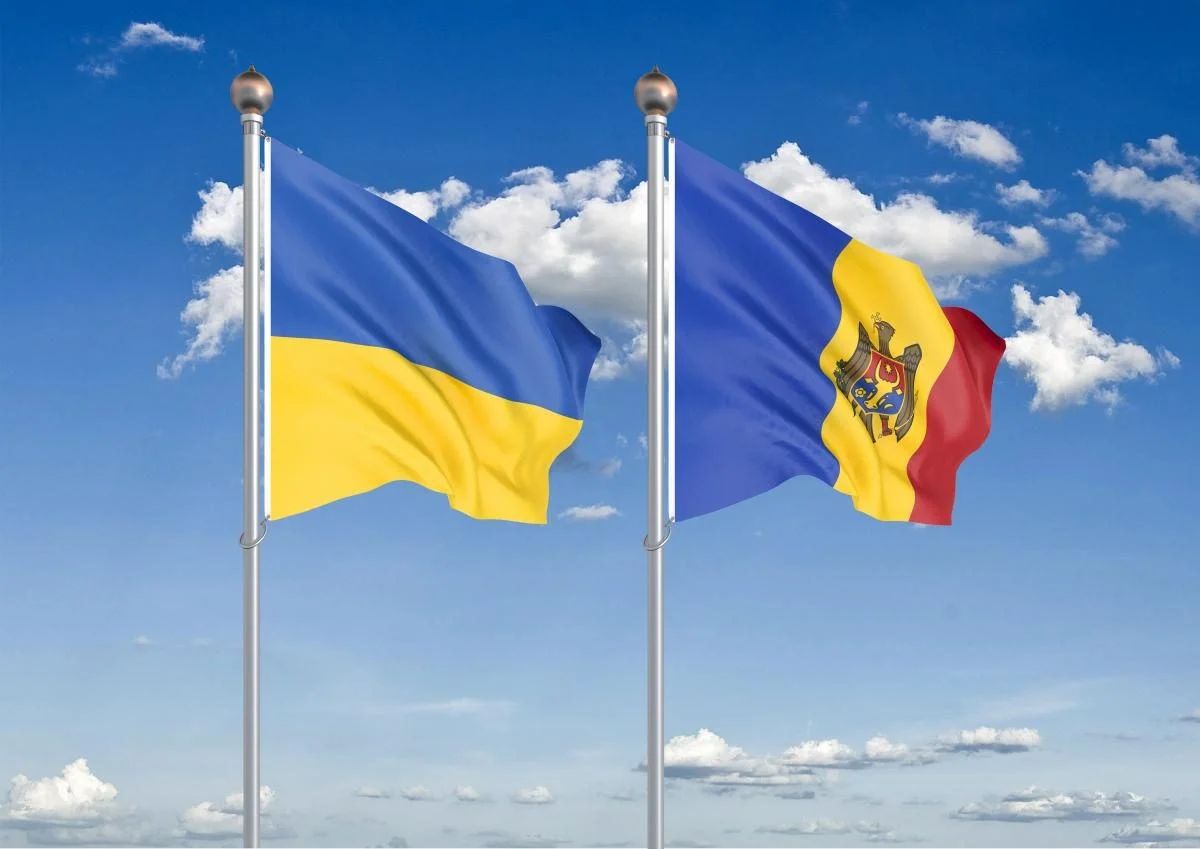
Chișinău’s participation in SUSDEST-NET strengthens transboundary cooperation in sustainable tourism and environmental governance across the Black Sea basin.
1. Synergy with Ukraine’s sustainable tourism and blue-economy initiatives
This aligns well with Ukraine’s strategic priorities, including:
- national tourism and recreation strategies;
- environmental modernization policies;
- regional development strategies of Odesa region and the Great Odesa Agglomeration.
There is clear potential for harmonizing Moldovan–Ukrainian approaches to:
- ecosystem monitoring and load assessment;
- unified destination management standards;
- digital and AI-based tools in tourism governance;
- data exchange and environmental risk modelling.
2. Potential for the “Odesa–Chișinău–Danube” cooperation cluster
The initiative opens possibilities for creating a transboundary cluster of sustainable tourism, including joint:
- eco-routes and cultural heritage routes;
- green tourism products;
- innovation platforms for blue-economy development.
This supports deeper integration of Ukrainian Danube municipalities into EU-funded Interreg projects.
3. Strategic impact on regional ecological stability and security
The adoption of AI-based environmental monitoring and harmonized regional policies is a significant step for:
- combating ecosystem degradation;
- improving maritime environmental management;
- reinforcing the resilience of coastal municipalities.
Such coordination strengthens the environmental component of regional security — a crucial issue for both Ukraine and Moldova.
 Ukraine
 Danube
 Bulgaria
 Romania

 Serbia
 Hungary
 Germany