

EBRD Considers Supporting a New Energy Storage Project in Bulgaria: BESS-2 Capacity to Reach 246 MW
 Bulgaria
04.06.2026
Bulgaria
04.06.2026
The European Bank for Reconstruction and Development (EBRD) is considering providing Bulgarian company Tenevo Solar Technologies EAD with a senior secured loan of up to €30 million to finance the second and third phases of a battery energy storage system in southeastern Bulgaria.
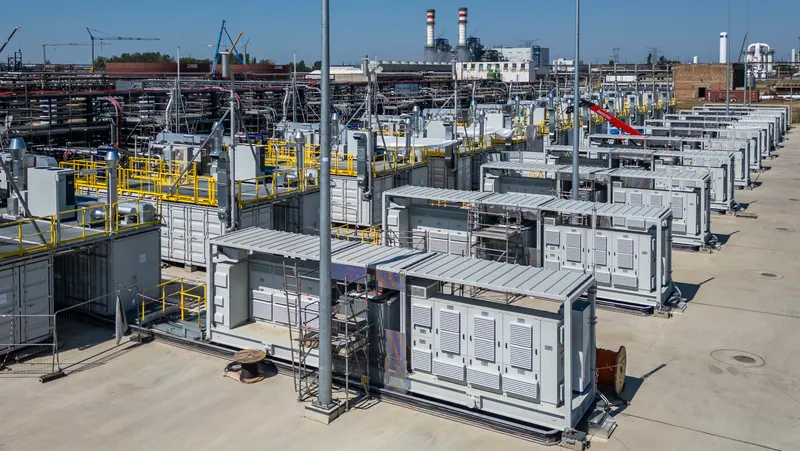
The total cost of the project is estimated at €70 million. It involves the construction and operation of the BESS-2 facility with a capacity of 246 MW / 512.5 MWh.
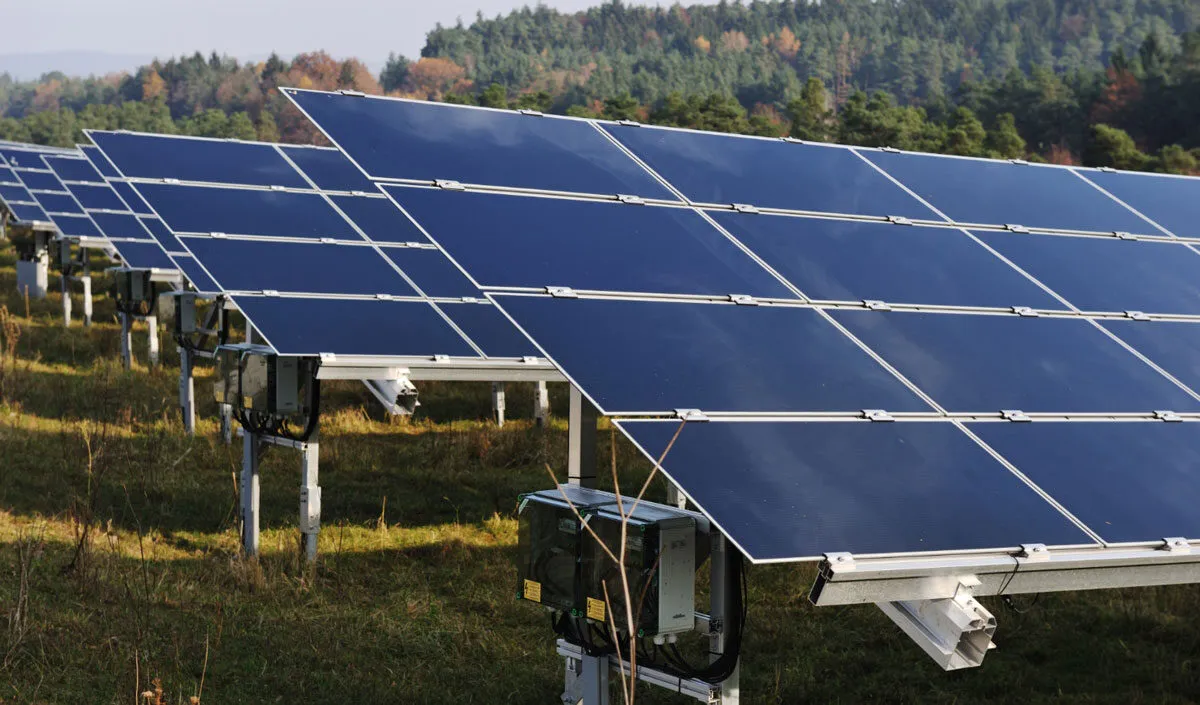
The new storage facility will be located within the energy complex near the village of Tenevo in Bulgaria’s Yambol Province. The site already hosts an operational solar photovoltaic power plant with a capacity of 242 MWp and the first phase of the battery storage system, BESS-1, with a capacity of 65 MW / 260 MWh.
Once the expansion is completed, the total capacity of the battery storage facilities at the Tenevo site is expected to reach 311 MW / 772.5 MWh. This will further strengthen the position of the Tenevo complex as one of the largest hybrid energy projects in Southeastern Europe.
Battery energy storage systems play a crucial role in the development of renewable energy. They make it possible to store surplus electricity generated by solar power plants during periods of high production and supply it back to the grid during peak demand or when generation declines.
According to the EBRD, the project will contribute to improving the resilience of Bulgaria’s power grid, reducing the curtailment of renewable energy generation and supporting the further development of market-based mechanisms for balancing the energy system.
Tenevo Solar Technologies EAD is a joint venture owned in equal shares by the Austrian company Renalfa IPP and the Danish renewable energy developer Eurowind Energy.
The EBRD has previously supported Renalfa IPP projects in Central and Eastern Europe. In April 2026, the Bank provided a €70 million loan as part of a financing package worth €210 million for the development of solar photovoltaic facilities and battery energy storage systems in Hungary.
Comment by the Institute for Danube Research
Experts of the Institute for Danube Research once again note that the development of large-scale battery energy storage systems is gradually becoming one of the defining areas of the energy transition in Central and Southeastern Europe. The issue is no longer limited to increasing the number of solar or wind power plants. It is now about creating comprehensive infrastructure capable of ensuring grid stability and responding flexibly to fluctuations in electricity generation.
According to Vitaliy Barvinenko, Director of the Institute for Danube Research, the Bulgarian project illustrates the transition from individual renewable energy facilities to integrated energy systems in which generation, storage and market-based balancing are considered interconnected components.
“This experience is particularly important for Ukraine. Given the continuing threats to energy infrastructure, the development of decentralised electricity storage systems should become an integral part of strengthening the energy resilience of communities, industrial centres and transport and logistics hubs, particularly in the Danube Region,” Vitaliy Barvinenko emphasised.
The EBRD’s consideration of the project is ongoing. According to the information published by the Bank, its approval is scheduled for July 2026.


 Hungary
 Romania
 Ukraine
 Moldova
 Serbia

 Danube