

Meeting of the Heads of Delegations of the International Commission for the Protection of the Danube River held in Uzhhorod
 Ukraine
15.06.2026
Ukraine
15.06.2026
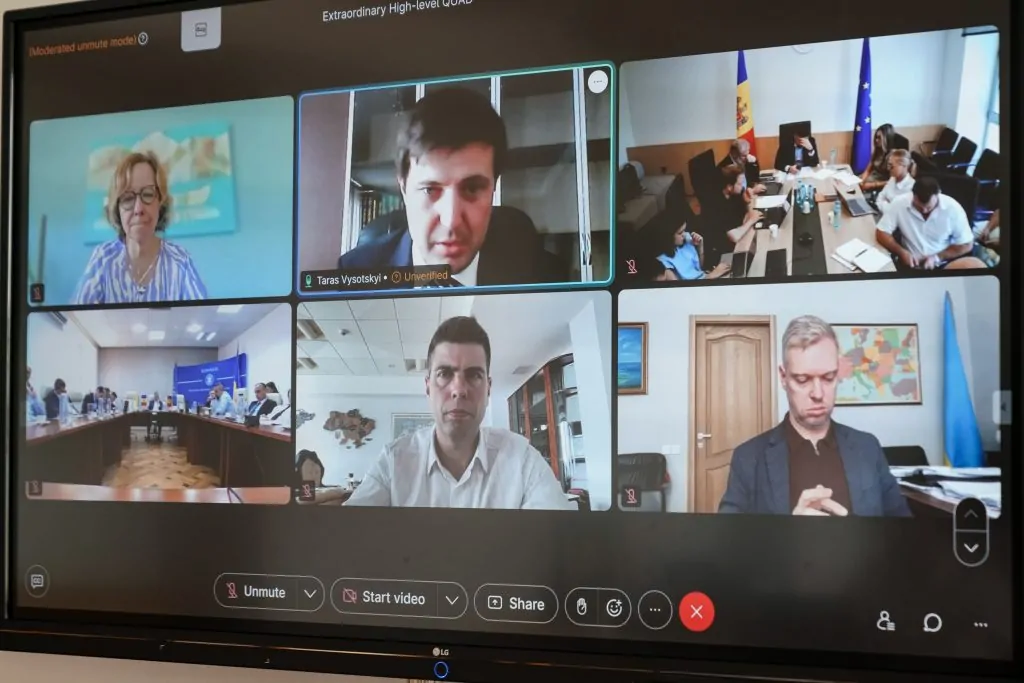
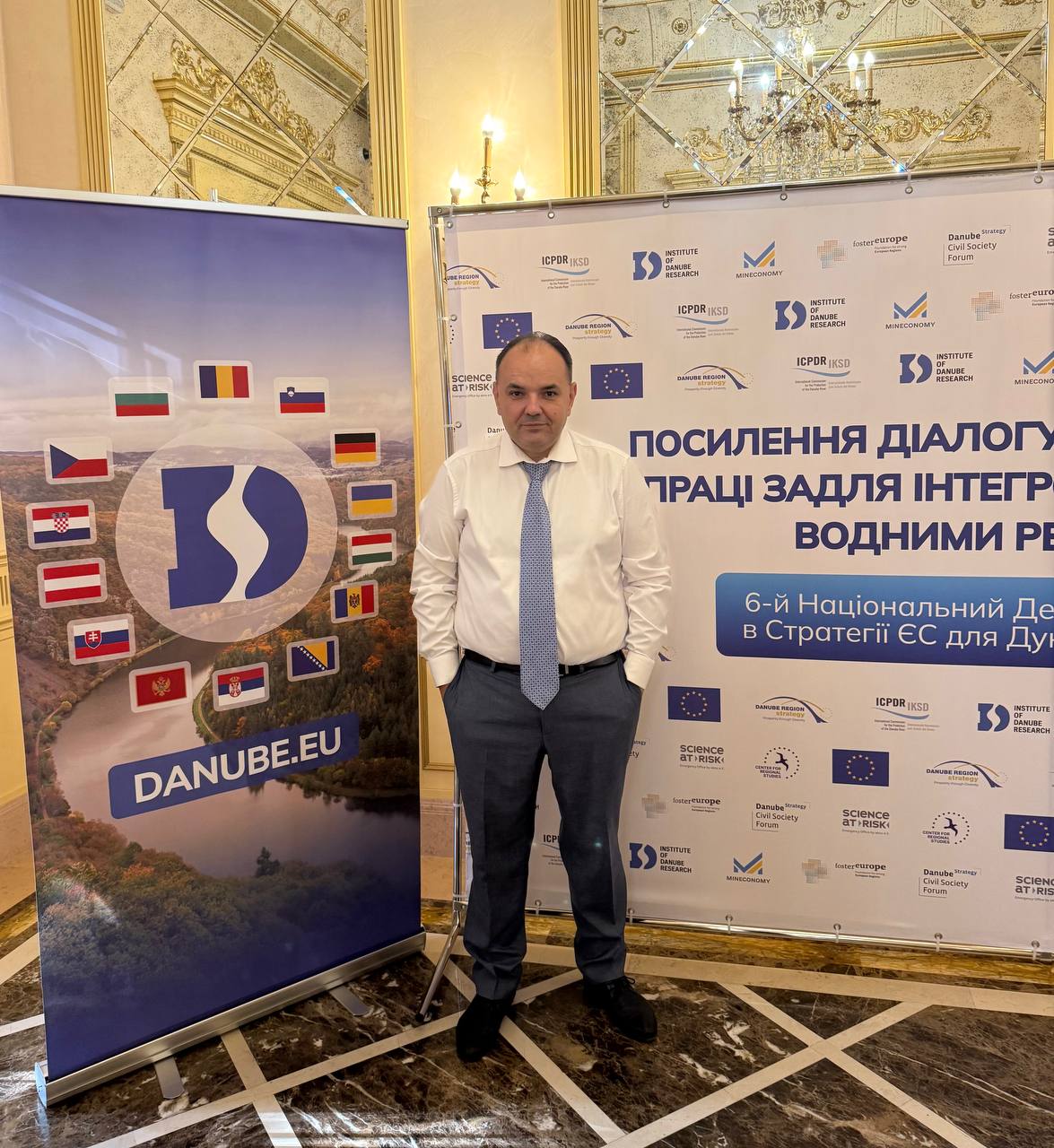
On 11–12 June, Ukraine hosted a meeting of the Heads of Delegations of the International Commission for the Protection of the Danube River (ICPDR) in Uzhhorod. The event became one of the key activities within Ukraine’s 2026 Presidency of the ICPDR and confirmed the growing role of Ukraine in shaping the agenda of international Danube cooperation.
The participants discussed the main challenges facing the Danube region: the impact of the war on water resources and ecosystems, adaptation to climate change, drought and flood risk management, and the preparation of a new Danube River Basin Management Plan.
The Head of the Ukrainian Delegation, Deputy Minister of Economy, Environment and Agriculture Iryna Ovcharenko, emphasized that the protection of water resources during wartime has acquired particular significance for Ukraine.
“Today, sustainable and integrated water resources management is not only an environmental or economic issue for us, but also a matter of national security. The war has created unprecedented challenges for the water sector — from the destruction of infrastructure to the risks of large-scale pollution of water bodies,” Iryna Ovcharenko stated.
During the meeting, the Ukrainian side focused attention on three priorities within Ukraine’s ICPDR Presidency: strengthening water resilience in the context of climate change, conducting an in-depth study of the consequences of the war for the aquatic ecosystems of the Lower Danube and the Danube Delta, and expanding international cooperation for the implementation of the Danube River Basin Management Plan.
One of the important outcomes for Ukraine was the establishment of a dedicated Task Group to assess the impact of military actions on the Danube basin. Its mandate will include a comprehensive analysis of both direct and indirect consequences of the war for water resources.
Direct impacts include water pollution caused by falling drones and missiles, fuel and explosive substance leaks, as well as the destruction or disruption of wastewater treatment facilities. Indirect impacts include, in particular, increased pressure on urban infrastructure as a result of large-scale internal migration. The findings of this analysis should provide a basis for developing effective measures for the restoration and protection of water resources.
“International support and cooperation within the ICPDR are extremely important for Ukraine. We highly value the solidarity of the Danube countries, international partners and the expert community in supporting Ukraine’s water sector during this difficult time,” emphasized ICPDR President Mariia Shpanchyk.
A separate part of the meeting was the photo exhibition “Water in the Fire of War”, dedicated to the impact of Russian aggression on Ukraine’s water resources and water infrastructure. The exhibition demonstrated to European partners not only the scale of the environmental consequences of the war, but also the resilience of Ukrainian communities that continue to ensure people’s access to clean water every day.
Comment by the Institute of Danube Research
According to Vitaliy Barvinenko, Director of the Institute of Danube Research, holding the ICPDR meeting in Ukraine has not only symbolic but also practical significance for the entire system of Danube basin management.
“The Danube today is not merely a European waterway. It is a space of shared security, environmental responsibility and transboundary interdependence. For Ukraine, participation in the work of the ICPDR during wartime means an opportunity to bring the protection of water resources to the level of systemic international policy. It is particularly important that the consequences of military actions for the aquatic ecosystems of the Danube will be analyzed not fragmentarily, but within the framework of a dedicated task group,” Vitaliy Barvinenko noted.
Experts of the Institute also emphasized that the war has significantly changed the nature of environmental risks in the Danube basin. Whereas previously the key challenges were mainly climate change, pollution, floods, droughts and economic pressure on water resources, they are now compounded by war-related risks — infrastructure destruction, emergency pollution, mine hazards, damage to wastewater treatment systems and the long-term impact of hostilities on aquatic and coastal ecosystems.
“The establishment of a task group to assess the impact of the war on the Danube basin is an important step towards developing an evidence-based recovery policy. It is crucial for Ukraine that the environmental consequences of Russian aggression are properly documented, assessed and taken into account in international recovery programmes. This is not only a matter of environmental protection, but also of the future security of communities, port infrastructure, agricultural production and transboundary cooperation,” the IDR emphasized.
In addition, the Institute believes that Ukraine’s Presidency of the ICPDR in 2026 opens up additional opportunities to strengthen the role of the Ukrainian Danube region in European environmental, transport and security policy. Particular importance should be attached to the integration of the Ukrainian sub-basins of the Tisza, Prut and Siret rivers, as well as the Danube Delta, into long-term monitoring, restoration and climate adaptation programmes.
The event was supported by the EU4Green Recovery East programme and the GEF-UNDP-OSCE project “Enabling Transboundary Cooperation and Integrated Water Resources Management in the Dniester River Basin through the Implementation of the Strategic Action Programme”. In Ukraine, these initiatives contribute to the harmonization of national legislation with EU standards in the field of water resources and to the development of transboundary cooperation.
It should be recalled that 2026 is a landmark year for Ukraine in terms of international Danube cooperation, as Ukraine holds the Presidency of the ICPDR. At the end of last year, a ceremony was held in Vienna to hand over the Presidency from the Republic of Slovenia to Ukraine. Ukraine’s Presidency will last one year and is the second in the country’s history after 2011.
Experts note that the ICPDR is one of the largest and most active international river basin management commissions in the world. It brings together 14 European countries to ensure the sustainable use of the Danube’s water resources.
Ukraine has been a party to the Danube River Protection Convention since 1994. The Verkhovna Rada of Ukraine ratified the Convention in 2002. Its main objective is to promote and coordinate sustainable water resources management.
The Danube River basin covers the territories of 19 European countries and is the most international river basin in the world. Within Ukraine, the Danube basin includes the sub-basins of the Tisza, Prut and Siret rivers, as well as part of the Danube Delta.
 Danube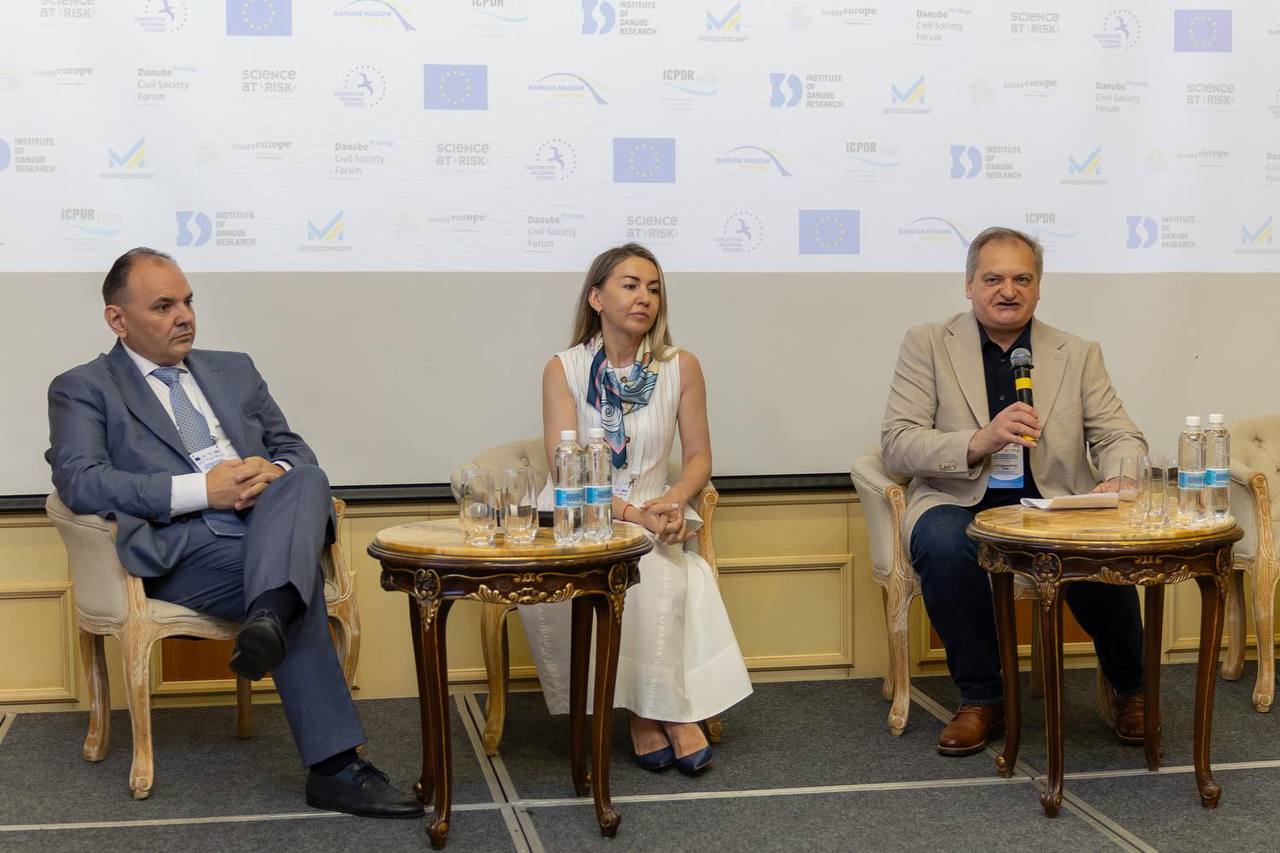

 Bulgaria
 Moldova
 Romania
 Serbia
 Hungary
 Germany