

New Transit Rules for the Sulina Canal May Affect Trade Flows of Ukraine and Moldova
 Romania
02.06.2026
Romania
02.06.2026
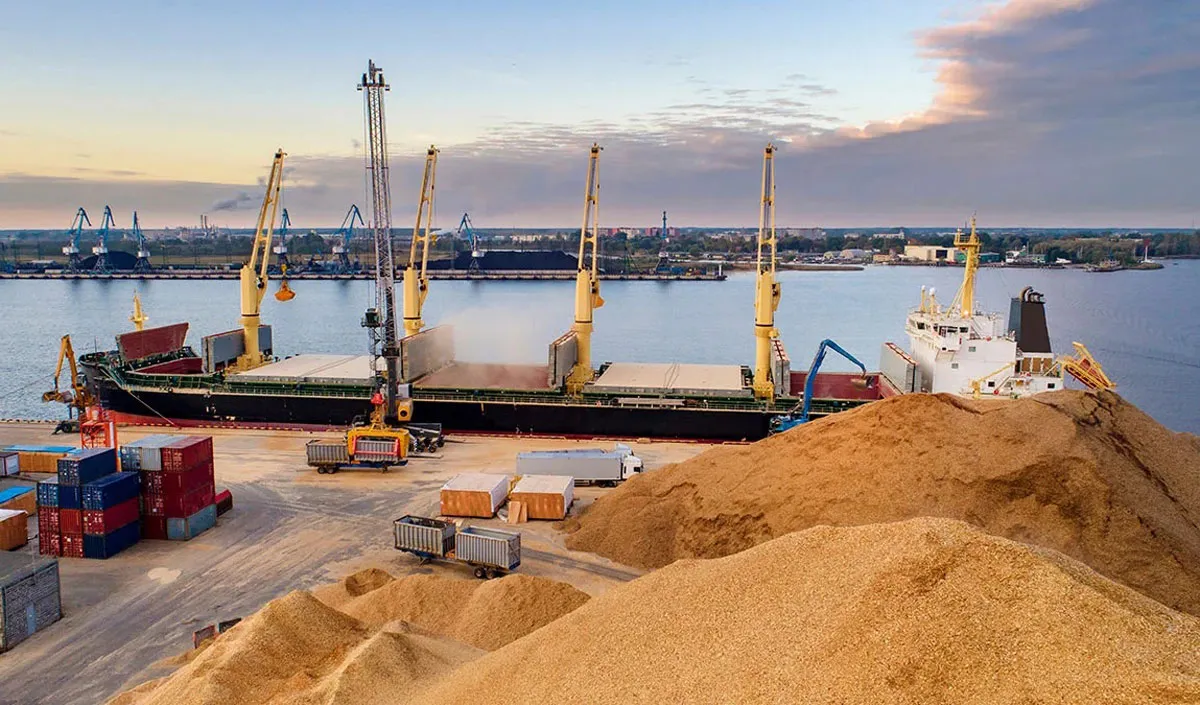
Since 25 May 2026, loaded vessels transiting the Sulina Canal to ports in Ukraine and Moldova have been required to submit a T1 transit declaration. The new requirements have already caused delays for some vessels near Sulina and may increase costs for logistics market participants.
The changes were reported by Kateryna Kononenko, Operations Manager at Avalon Shipping. According to her, vessels bound for Ukrainian and Moldovan ports previously needed to submit only an ENS — Entry Summary Declaration. A T1 transit declaration was mainly required for vessels delivering cargo to Romanian ports.
Following the introduction of the new rules, the T1 declaration has also become mandatory for cargo transiting the Sulina Canal on its way to Ukraine and Moldova.
The changes are related to Romania’s transition to a new version of the European transit system, NCTS Phase 6, which is used to monitor the international movement of goods.
At the initial stage of the system’s operation, however, Romanian customs brokers encountered technical difficulties when processing declarations for cargo destined for Ukrainian or Moldovan ports.
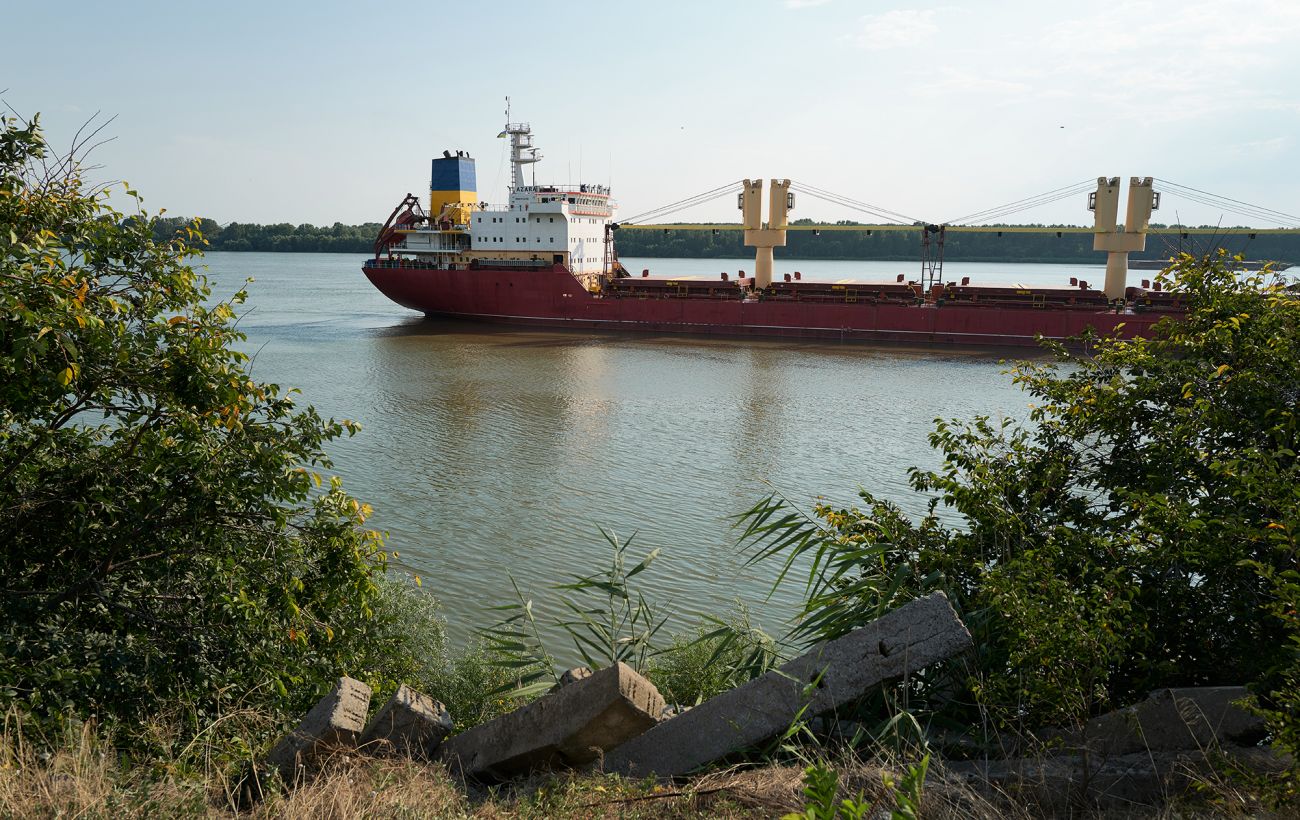
As a result, some vessels have had to wait near Sulina until the required documents are processed. For shipowners, charterers and cargo owners, such delays entail additional costs and create a risk of disruptions to delivery schedules.
It is still too early to speak of a measurable decline in Ukraine’s and Moldova’s trade flows as a result of the new rules. The requirements have been in effect only since 25 May. An objective assessment of their impact will require an analysis of vessel traffic statistics, the duration of delays, cargo-handling volumes at Danube ports and freight-rate dynamics over at least several weeks.
Nevertheless, the operational impact is already evident. Even a temporary slowdown in vessel traffic may reduce the competitiveness of Danube logistics routes, particularly for cargo subject to strict delivery deadlines.
The Sulina Canal remains an important access route to Ukraine’s Danube ports and Moldova’s Port of Giurgiulești. Its stable operation is therefore important not only for individual companies, but also for regional trade and the transport resilience of the entire Lower Danube area.
Comment by the Institute for Danube Studies
For Ukraine and Moldova, the Sulina Canal is of particular importance. It is one of the key routes providing cargo access to the Danube ports and supporting the region’s economic resilience during the war. Even short-term delays result in vessel downtime, higher logistics costs and reduced predictability of supply chains.
At present, the Institute’s experts have no grounds to claim that the new rules have already caused a substantial decline in trade flows. However, the situation requires an оперативного response. Technical issues should be resolved as quickly as possible, proper communication should be ensured between customs authorities, port administrations and businesses, and transitional arrangements should be introduced to prevent the accumulation of vessel queues.
Danube logistics must develop as a single interconnected system. Any procedural changes should be implemented in a coordinated and predictable manner, taking into account the interests of all Lower Danube countries.
The Institute for Danube Studies will continue to monitor the situation and analyse the impact of the new procedures on the operation of Ukrainian and Moldovan Danube ports.
Vitaliy Barvinenko, Director of the Institute for Danube Studies:
“Transitioning to the new version of the European transit system is a logical step in the digitalisation of customs procedures. In the strategic perspective, it should contribute to more transparent and better-controlled movement of goods. However, technical modernisation must not create additional barriers to navigation on the Lower Danube.”

 Bulgaria
 Hungary

 Ukraine
 Moldova
 Serbia

 Danube