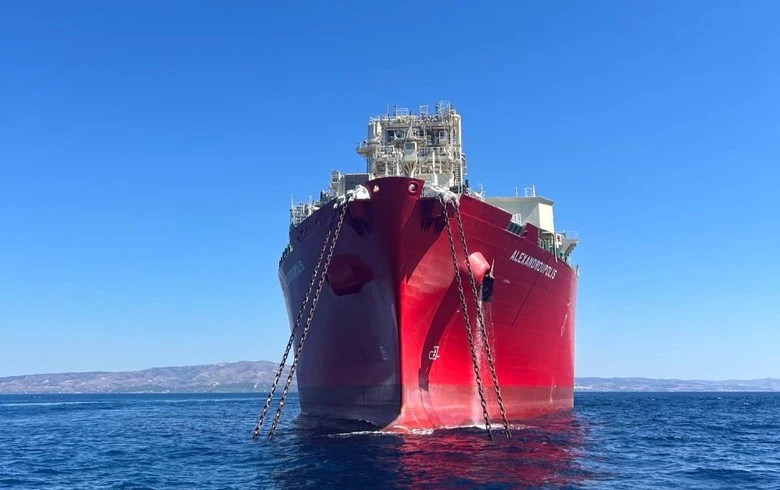


OMV Petrom to build a solar power plant and BESS in Bulgaria worth €300 million
 Bulgaria
15.06.2026
Bulgaria
15.06.2026
Romanian oil and gas group OMV Petrom will start construction of a large-scale energy project in Bulgaria combining a solar photovoltaic power plant and a battery energy storage system.
The project concerns the Gabare photovoltaic park with a capacity of 415 MWp and a battery energy storage system with a capacity of 600 MWh. Total investment in the project is estimated at around €300 million.
The project will be developed near Byala Slatina, in Vratsa Province, north of Sofia. Its developer is the Bulgarian project company Dunav Solar Plant, in which OMV Petrom holds a 50% stake. The remaining capital is owned by Vienna-based renewable energy developer Enery.
The project will be financed through partners’ own resources and external financing. Around €100 million will be allocated specifically for the construction of the BESS.
According to OMV Petrom, the Gabare project already has the necessary permits and is ready for construction. Works are expected to start after the signing of the construction contract, while electricity production at the plant is expected in 2028.
OMV Petrom also plans to purchase half of the future electricity output of the solar power plant under a long-term power purchase agreement — PPA.
Frank Neel, member of the OMV Petrom Executive Board, noted that the company’s first battery energy storage project marks an important step in developing a modern energy portfolio, where renewable energy sources and flexible solutions complement each other. According to him, the company is also expanding its regional presence by developing projects not only in Romania, but also in Bulgaria.
OMV Petrom announced in June last year that it had acquired a 50% stake in the Dunav solar project from Enery Element, a joint venture between Enery and Element Power.
Comment by the Institute of Danube Research
The Institute of Danube Research considers OMV Petrom’s project in Bulgaria to be indicative of a new stage in the energy transformation of South-Eastern Europe. It is no longer only about the construction of large solar power plants, but about the development of integrated energy infrastructure in which renewable generation is combined with storage systems.
“The combination of a solar power plant with a capacity of more than 400 MW and a 600 MWh BESS shows that countries in the region are moving from a simple model of ‘green electricity production’ to a more mature model of managing energy flexibility. For Bulgaria, this means strengthening energy security, reducing dependence on fossil fuels and creating additional opportunities for balancing the power system,” IDR experts noted.
According to the Institute, the participation of Romania’s OMV Petrom in the Bulgarian project demonstrates the deepening regional integration of energy markets. Companies that traditionally operated in the oil and gas sector are increasingly investing in renewable generation and energy storage, changing the structure of energy investments in the Danube and Black Sea regions.
“For Ukraine, such projects are not only informative but also practically important. Southern Ukraine, in particular Odesa region and the Ukrainian Danube area, has significant potential for the development of solar generation and energy storage systems. In the context of war, risks to energy infrastructure and the need for decentralized power sources, the experience of Bulgaria and Romania may be useful for shaping Ukraine’s regional energy strategies,” the Institute for Danube Research emphasized.
The IDR also notes that the development of BESS in South-Eastern Europe is becoming one of the key factors of future energy resilience. Such systems make it possible to smooth out the uneven production of electricity from renewable sources, increase grid reliability and create conditions for deeper integration of regional energy markets.
The Gabare project may become one of the largest examples of this approach in Bulgaria and an important signal for the entire region: future energy security will increasingly depend not only on generation capacity, but also on the ability of power systems to store, redistribute and stabilize electricity quickly.
 Ukraine
 Danube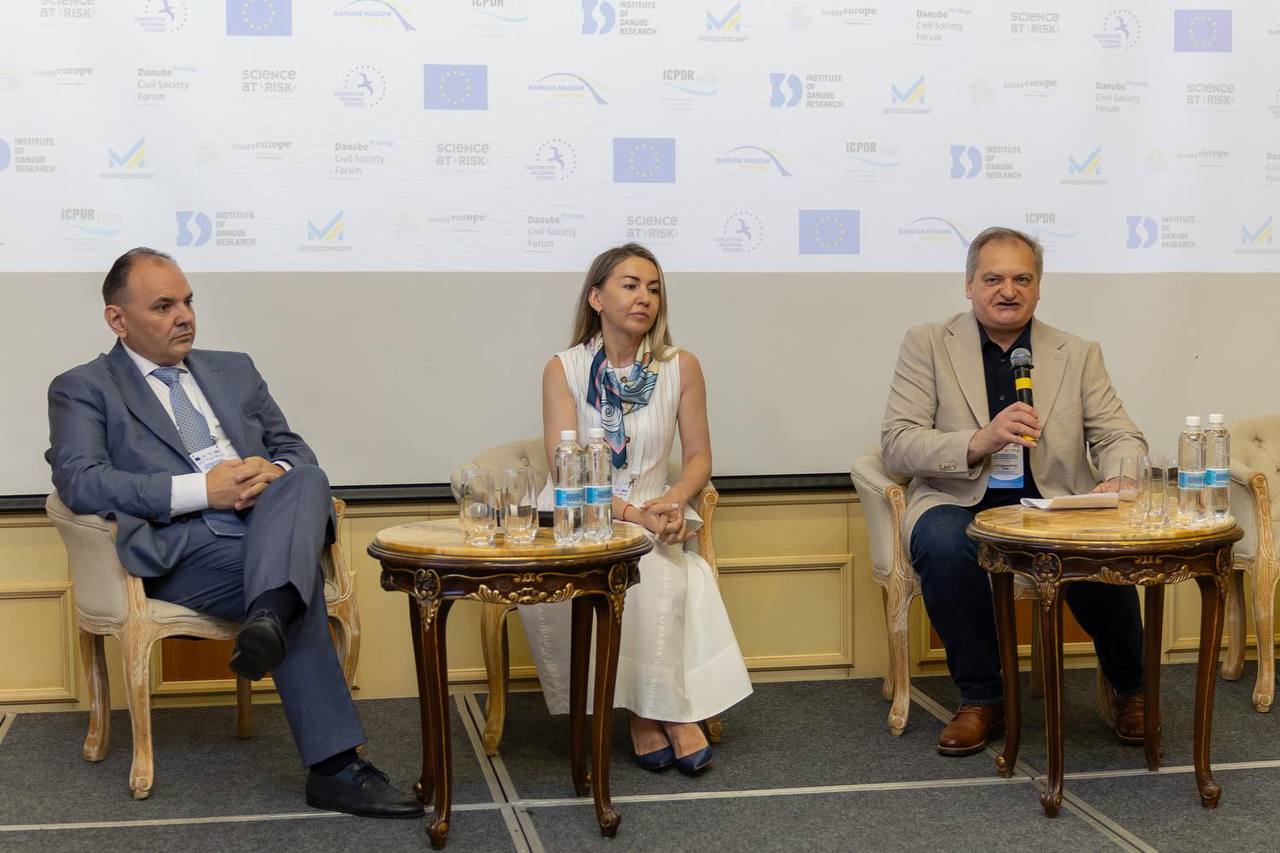
 Moldova
 Romania
 Serbia
 Hungary
 Germany