

Restoration of the Danube–Dniester Irrigation System Estimated at $200–220 Million
 Ukraine
08.06.2026
Ukraine
08.06.2026
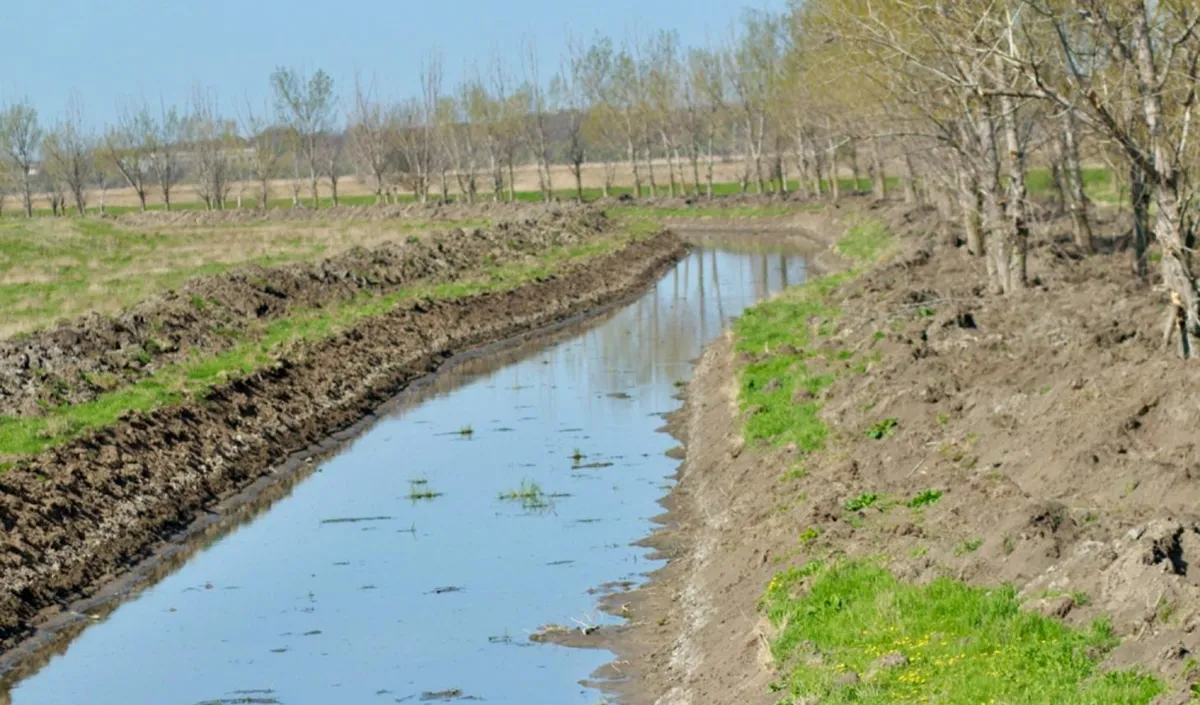
The full restoration of the Danube–Dniester irrigation system in southern Odesa Region will require approximately $200–220 million in investment. The project envisages not only the reconstruction of hydraulic infrastructure, but also stable electricity supply for pumping stations, the development of agricultural processing facilities, and the creation of an effective logistics network.
The issue was discussed during the international Ukrainian Danube Conference, dedicated to the strategic development of the Danube and Black Sea regions.
The Danube–Dniester irrigation system is located in Ukrainian Bessarabia. According to preliminary estimates, its potential covers around 48,000 hectares of agricultural land. In 2023–2024, a technical assessment of the system’s facilities was carried out, confirming the possibility of its restoration.
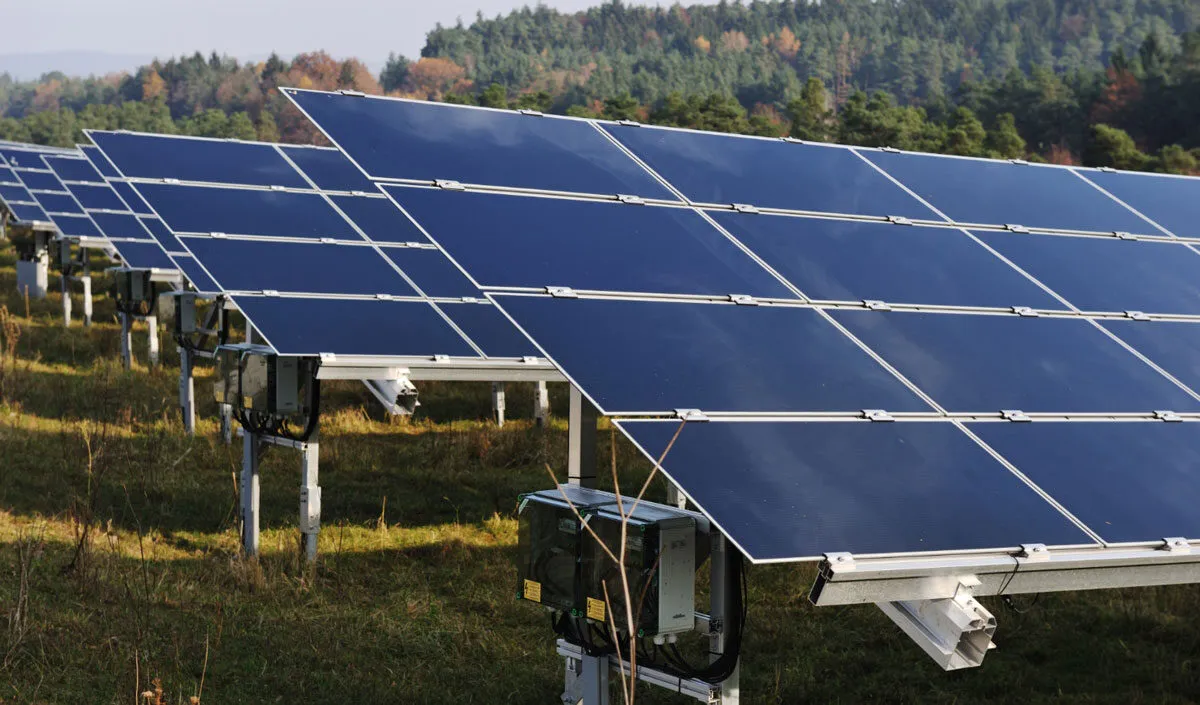
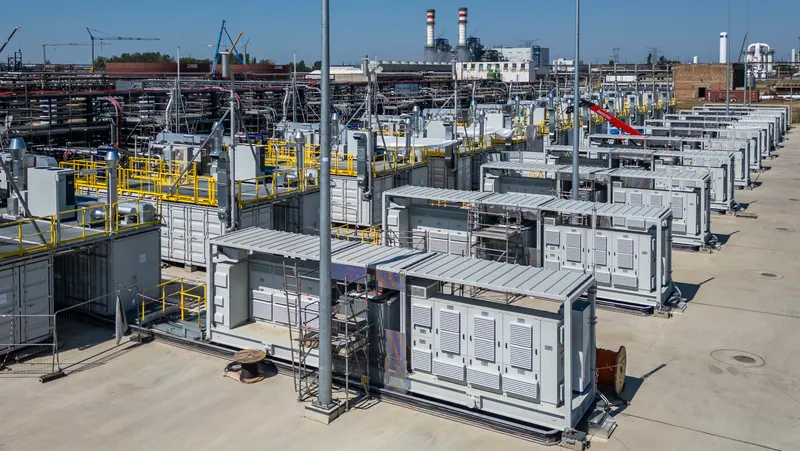
At the same time, the project requires a comprehensive approach. One of the key objectives is to provide independent electricity generation for the two main pumping stations. This would reduce the system’s dependence on external factors and strengthen its resilience amid wartime risks and unstable power supply.
Taras Kot, First Deputy Head of the State Agency of Ukraine for the Development of Land Reclamation, Fisheries and Food Programmes, stressed that the restoration of irrigation infrastructure must be accompanied by the development of related facilities.
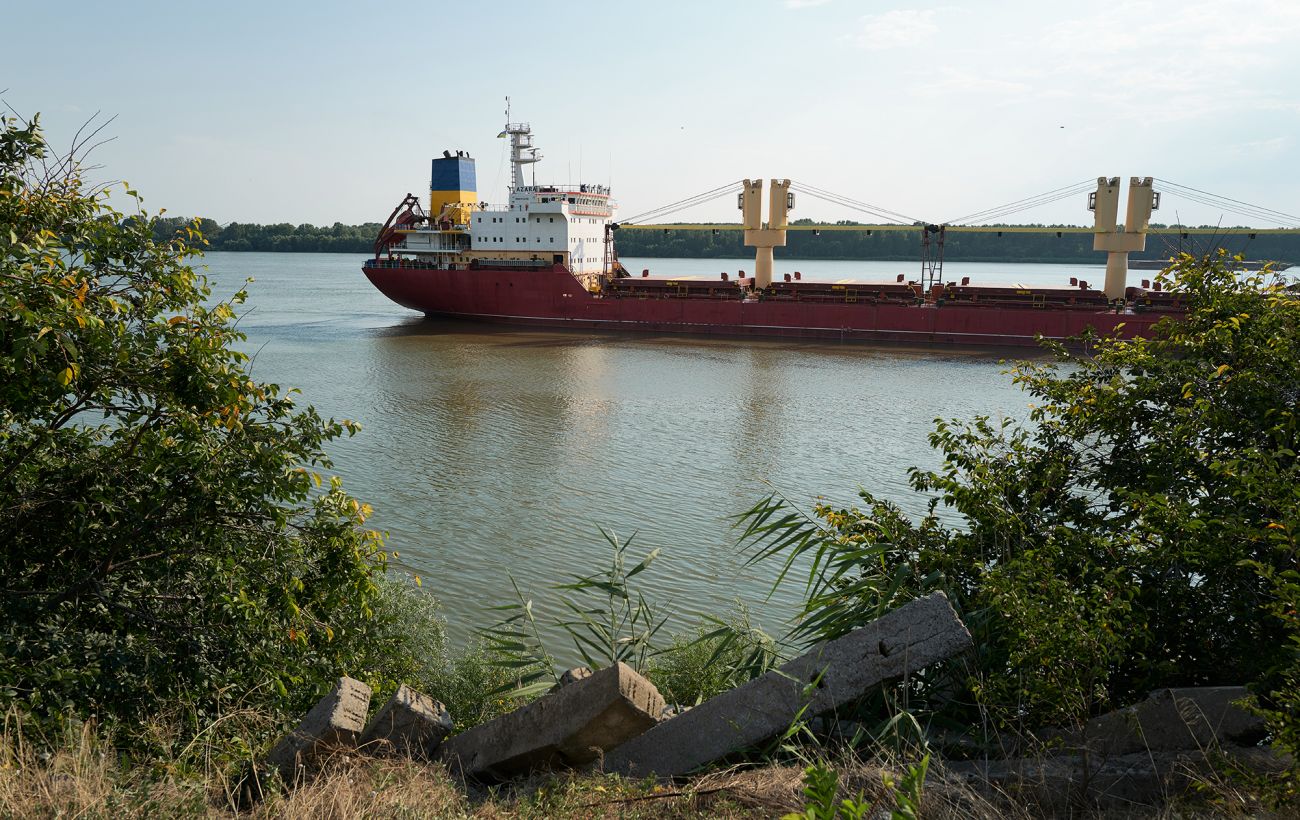
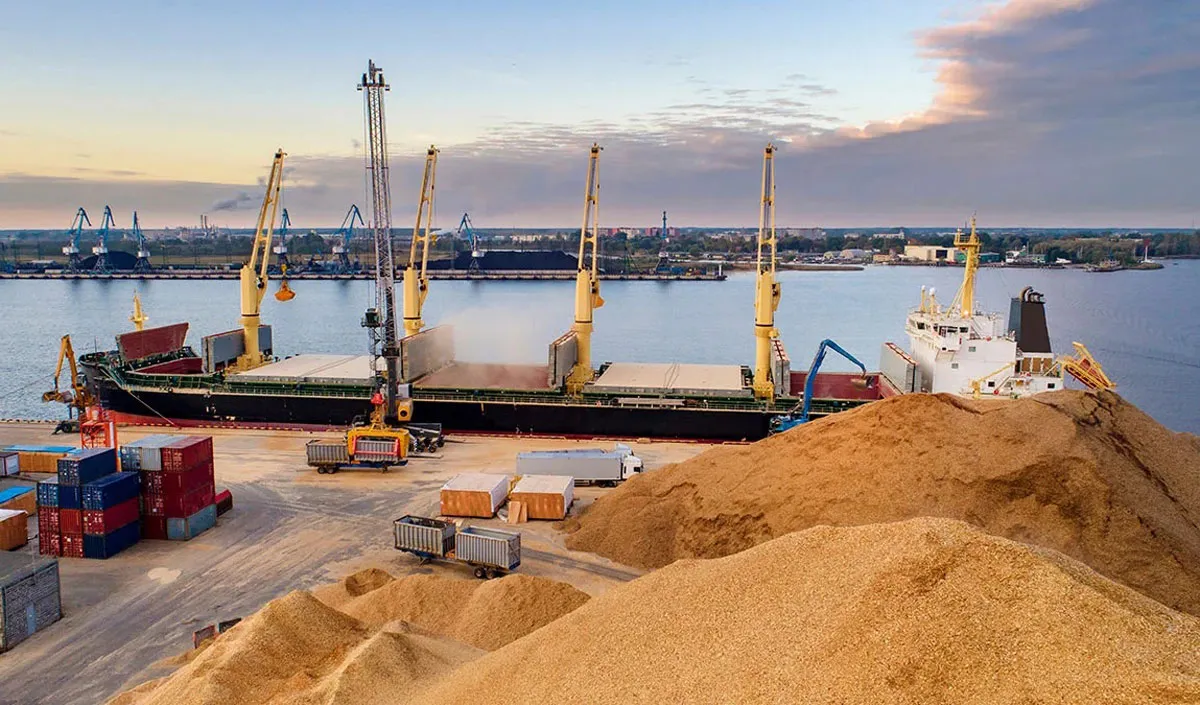
“If we launch irrigation across 48,000 hectares, we will need storage facilities. The next step is processing. All of this requires logistics. We also need ports — Bilhorod-Dnistrovskyi, Kiliia and Izmail,” the official said.
Comment by the Institute of Danube Research
Experts of the Institute of Danube Research believe that restoring the system could become one of the key infrastructure projects for the Ukrainian Danube region.
“The Danube–Dniester irrigation system is not merely a land reclamation project. It is about building an integrated development model for southern Odesa Region — from water supply and energy resilience to agricultural processing, product storage, and the integration of local producers into the logistics chains of the Danube region.
Particular attention must be paid to environmental aspects: water quality, the efficient use of water resources, soil protection, and the introduction of modern irrigation technologies. The restoration of the system should be carried out in accordance with the principles of sustainable development and with due regard for the long-term interests of communities in the Ukrainian Danube region,” the IDR experts noted.
The restoration of the Danube–Dniester irrigation system could become an important element of the development strategy for the Ukrainian part of the Danube region. Such a strategy should combine infrastructure modernisation, the development of ports and transport corridors, stronger energy resilience, and new opportunities for the agricultural sector.

 Bulgaria
 Hungary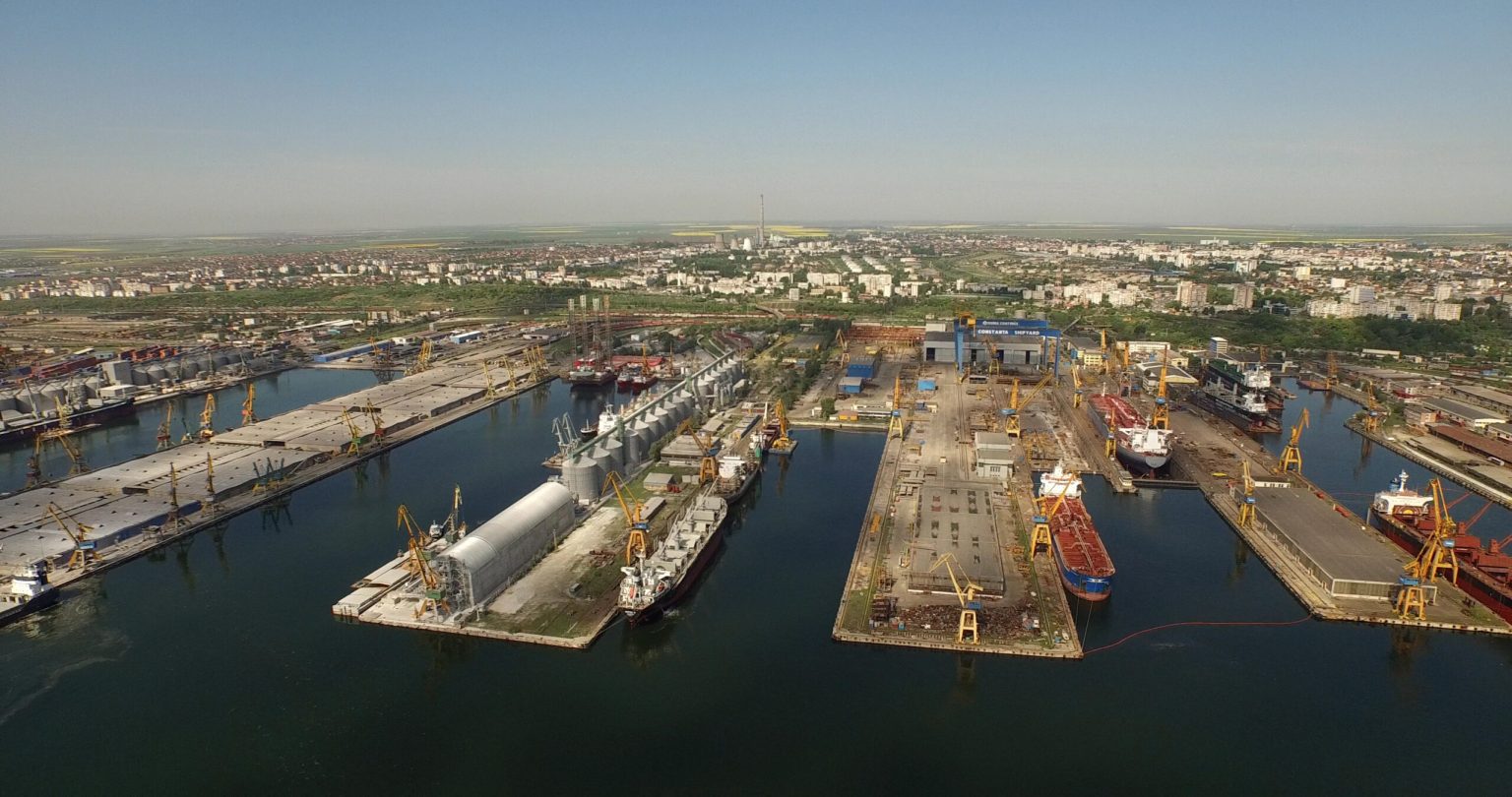
 Romania
 Moldova
 Serbia

 Danube