

Romania Ready to Consider the 2.4 GW Iron Gates 3 Pumped-Storage Hydropower Project on the Danube
 Romania
12.06.2026
Romania
12.06.2026
The Romanian government has expressed its openness in principle to further consideration of the Iron Gates 3 pumped-storage hydropower plant project, which Serbia plans to develop on the Danube. However, Bucharest has not yet made a final decision: the initiative is undergoing an interministerial assessment of its economic, energy and environmental implications.
This was reported by the Romanian publication Economica.net, which requested the government’s official position on the matter.
“We are at the stage of an interministerial assessment of the Iron Gates 3 project. The assessment concerns not only its economic impact and implications for Romania’s energy system, but also environmental aspects. In principle, Romania is fully open to this project,” the Romanian government stated.
A new stage in the promotion of the project began after the US Embassy in Belgrade invited applications from American companies interested in participating in the development of the Đerdap 3 pumped-storage hydropower plant — the Serbian name for the future facility.
Companies have been invited to submit letters of interest to Serbia’s Ministry of Mining and Energy. The objective is to identify strategic partners for the preparation of technical documentation, financing and construction of the plant.
The procedure is being conducted within the framework of an interstate energy agreement between Serbia and the United States. The American construction group Bechtel expressed interest in the project as early as 2021 and became involved in the preparation of technical studies in 2022.
The Iron Gates 3 pumped-storage hydropower plant is planned to be built at kilometre 1,007 of the Danube, in the area of the Serbian municipality of Golubac. The facility is intended to operate as a large-scale energy storage system.
During periods of surplus electricity generation, water from the Danube would be pumped into upper reservoirs. During peak demand, it would be released through turbines to generate electricity and balance the power system.
At the current stage, the construction of a facility with a capacity of up to 2,400 MW is under consideration, together with the integration of an additional 400 MW of renewable energy generation, primarily from wind and solar power plants.
The estimated cost of the project is approximately €2.63 billion. Construction is expected to be completed by 2038.
At the same time, the project parameters may still be revised. Serbia’s previously approved energy plan included a version of the plant with a capacity of 1,800 MW and an estimated cost of €1.4 billion.
Romania’s involvement is of fundamental importance, as the construction of the new facility may affect the management of the Danube’s water resources, the ecological condition of the river and navigation conditions.
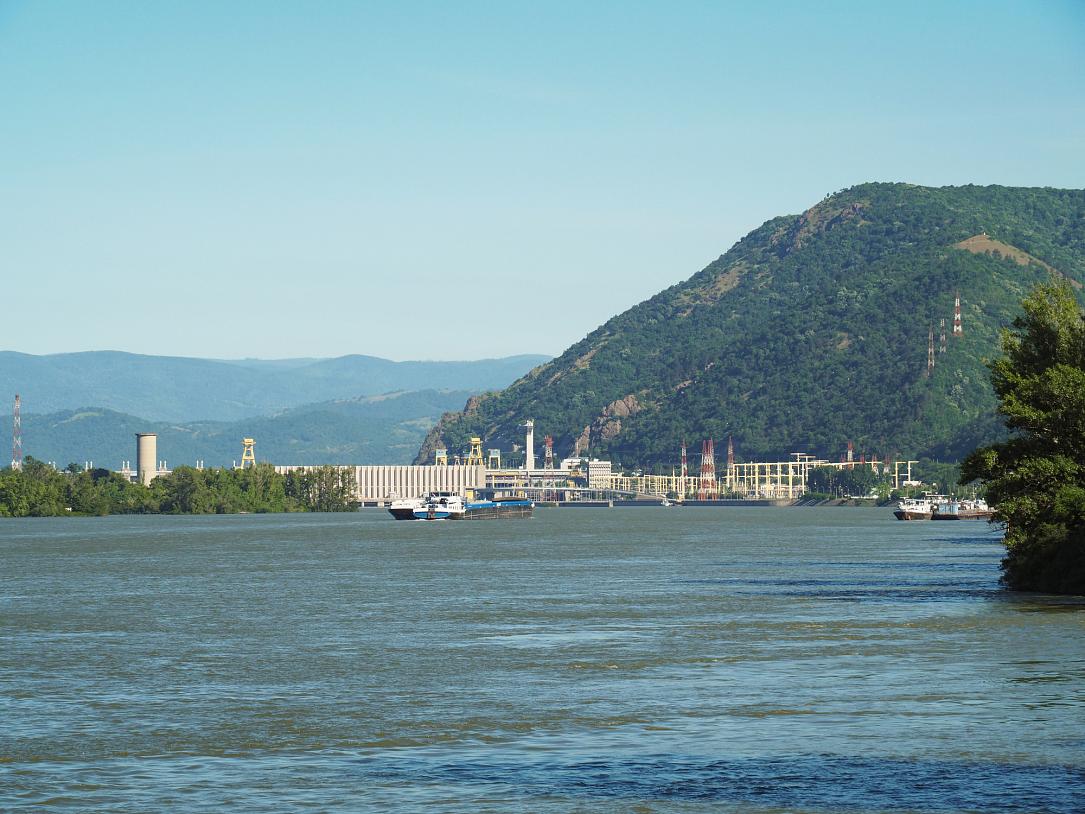
A separate issue is the potential impact on the existing Iron Gates 1 and Iron Gates 2 hydropower complexes, which Romania and Serbia jointly operate in the border section of the Danube.
On the Romanian bank, the installed capacity of the Iron Gates 1 hydropower plant is 1,164 MW, while the Iron Gates 2 plant has an installed capacity of 251 MW. The Romanian side has previously emphasised that it would not support decisions that could negatively affect electricity generation at these facilities.
According to Romanian media reports, Hidroelectrica could become involved in the implementation of the project if the technical and environmental assessments produce positive results.
Commentary by the Institute of Danube Research
The Iron Gates 3 project demonstrates the growing role of the Danube not only as a transport corridor and natural ecosystem, but also as one of the key components of the emerging energy architecture of South-Eastern Europe.
The construction of a pumped-storage hydropower plant of this scale could potentially facilitate the integration of renewable energy, increase the resilience of power systems and provide additional balancing capacity in the region. This is particularly important as the share of solar and wind generation continues to grow, while their output remains dependent on weather conditions.
At the same time, the implementation of major hydraulic engineering projects on the Danube cannot be assessed solely from the perspective of energy efficiency. Their potential impact on the river’s hydrological regime, navigation, ecosystems and existing hydropower complexes must also be taken into account.
The progress of this project is also significant for Ukraine. Decisions concerning the development of energy infrastructure on the Danube may affect the ecological condition of the river basin, regional energy security and the use of water resources in the Lower Danube.
Romania’s position is indicative: strategic investments of this scale require not only political support, but also effective interstate coordination, transparent procedures and a comprehensive assessment of long-term consequences for the entire Danube region.

 Ukraine
 Danube


 Bulgaria
 Moldova

 Serbia
 Hungary
 Germany