


Solar Energy Becomes Moldova’s Leading Source of Renewable Electricity for the First Time
 Moldova
08.06.2026
Moldova
08.06.2026
The Republic of Moldova has taken an important step towards strengthening its energy independence. In the first quarter of 2026, domestic electricity production covered approximately 52% of the volume supplied to final consumers.
This is evidenced by data published in a report by the National Energy Regulatory Agency of the Republic of Moldova (ANRE).
Between January and March, local producers generated 646.2 million kWh of electricity. Renewable energy sources accounted for 253.3 million kWh, or 39% of this volume. Green energy covered approximately 20% of the electricity supplied to final consumers.
The rapid growth of solar power generation has become a key trend. For the first time in Moldova’s energy sector, photovoltaic installations outperformed wind farms in terms of renewable electricity production.
Solar power plants generated 146.5 million kWh, accounting for 58% of the country’s total green electricity production. Wind farms produced 95.5 million kWh, or 38%. Hydropower accounted for approximately 3%, while electricity generated from biogas represented a further 1%.
At the same time, the country’s dependence on external supplies is decreasing. In the first quarter of 2026, Moldova imported 741.2 million kWh of electricity, which is 6.8% less than during the same period of 2025 and 16.8% less than in the previous quarter.
Romania remains Moldova’s main external electricity supplier. Imports from Romania accounted for 52.4% of the total volume of electricity purchased on the wholesale market. This figure decreased by approximately 10 percentage points compared with the fourth quarter of 2025. Imports from Ukraine represented around 1.5% of wholesale electricity purchases.
The growth of domestic generation is taking place amid an increase in electricity consumption. According to ANRE, the volume of electricity supplied to final consumers rose by 6.9% in the first quarter of 2026 compared with the corresponding period of the previous year. This trend was influenced by seasonal factors, including low temperatures and increased demand from households and the economic sector.
Comment by the Institute of Danube Research
Experts from the Institute of Danube Research note that this is not merely a statistical record for Moldova, but an important structural shift. Solar energy is gradually evolving from an auxiliary source into one of the key elements of the national energy system. The growth of domestic production reduces the country’s vulnerability to external risks and creates the conditions for a more resilient regional energy space.
According to Vitaliy Barvinenko, Director of the Institute of Danube Research:
“Developing energy storage systems, balancing capacities and cross-border networks should become the next priority. Ukraine, Moldova and Romania need to develop their infrastructure in a coordinated manner to ensure the efficient use of renewable generation and strengthen the energy security of the entire region.”

 Ukraine
 Danube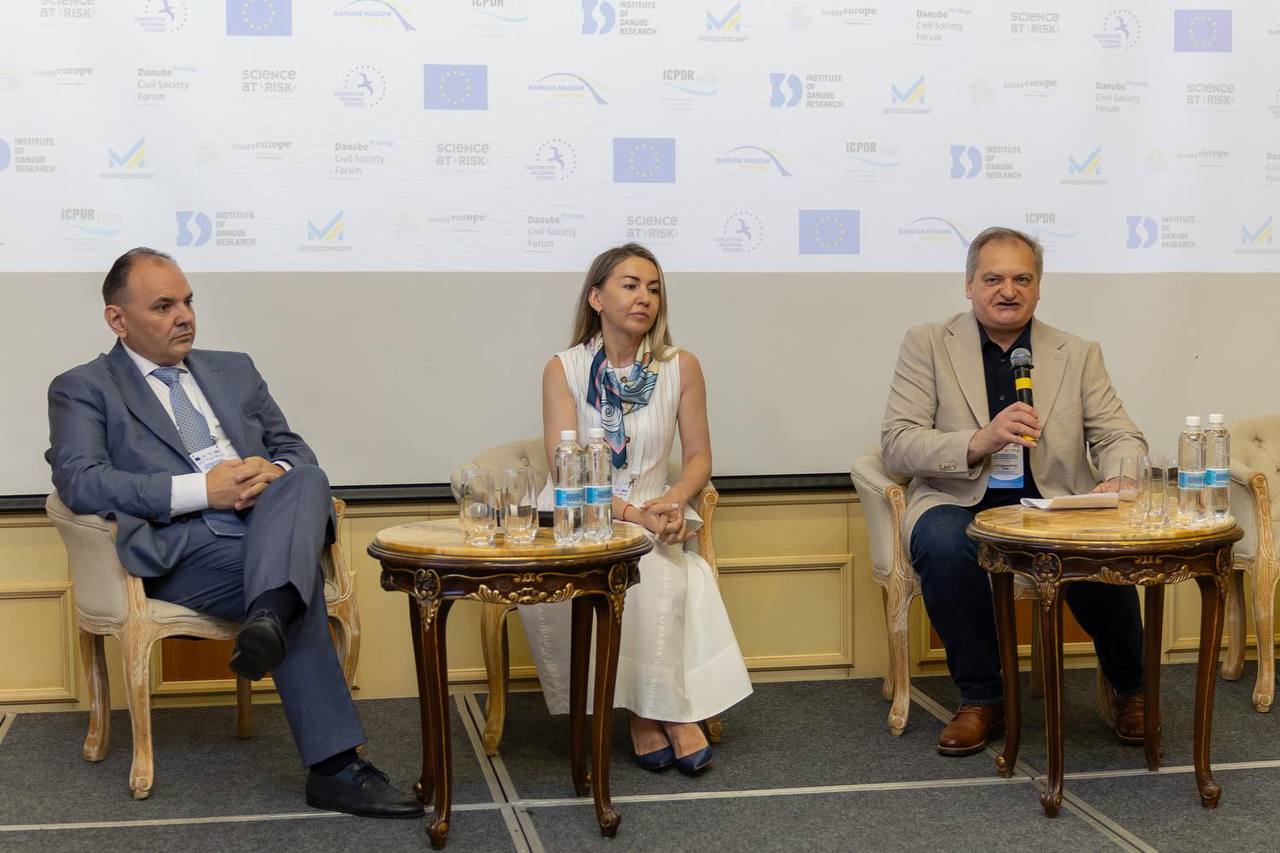


 Bulgaria

 Romania


 Serbia
 Hungary

 Germany