

Freight Rates from Ukraine to Egypt Surge Amid Tonnage Shortage on the Danube
 Ukraine
17.08.2026
Ukraine
17.08.2026
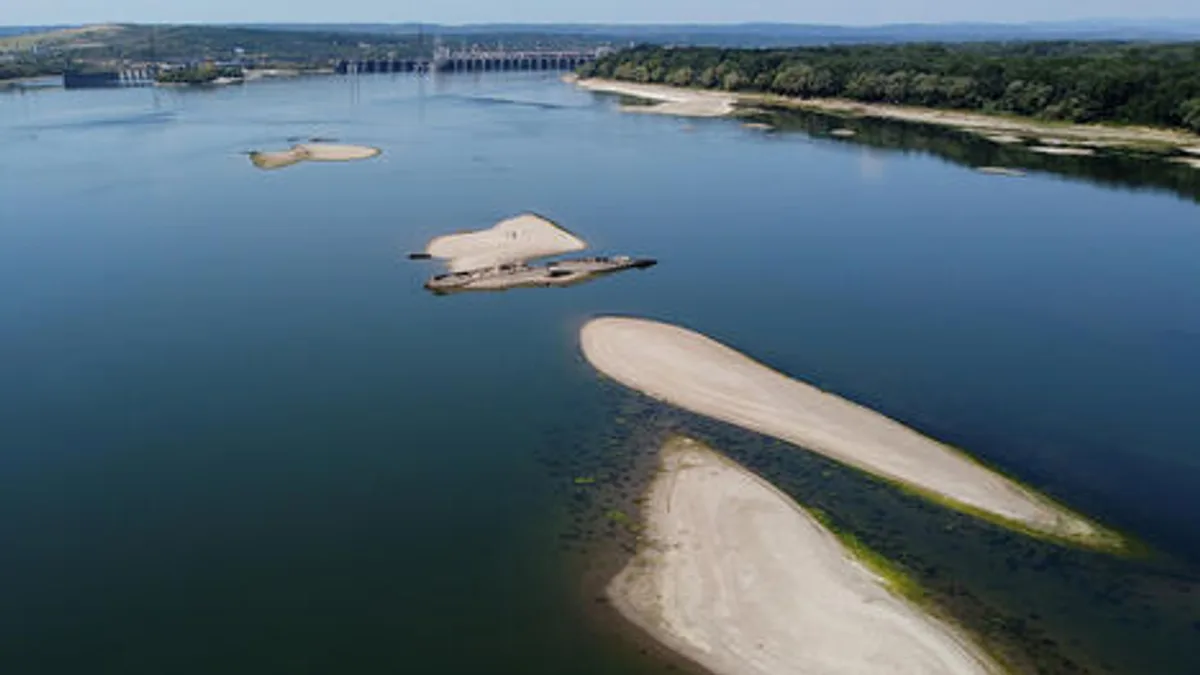
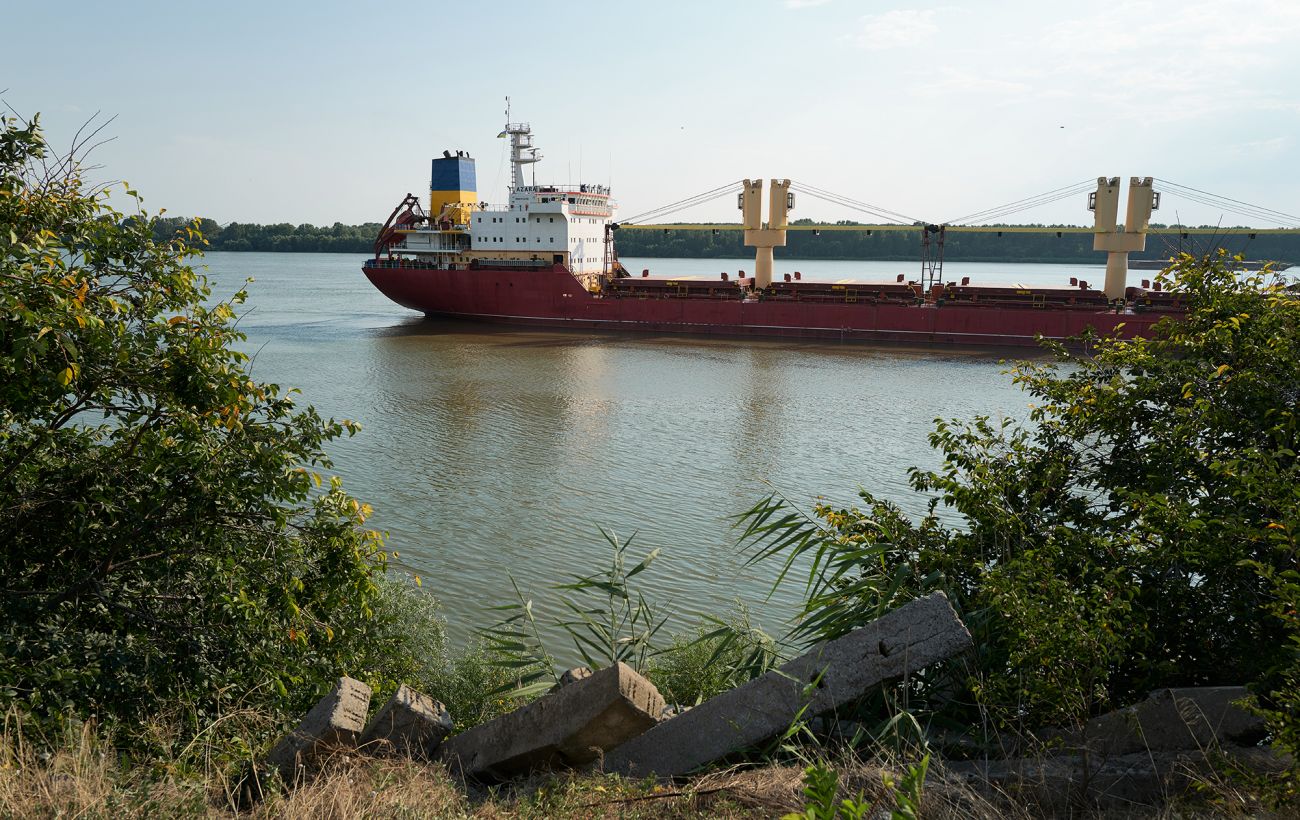
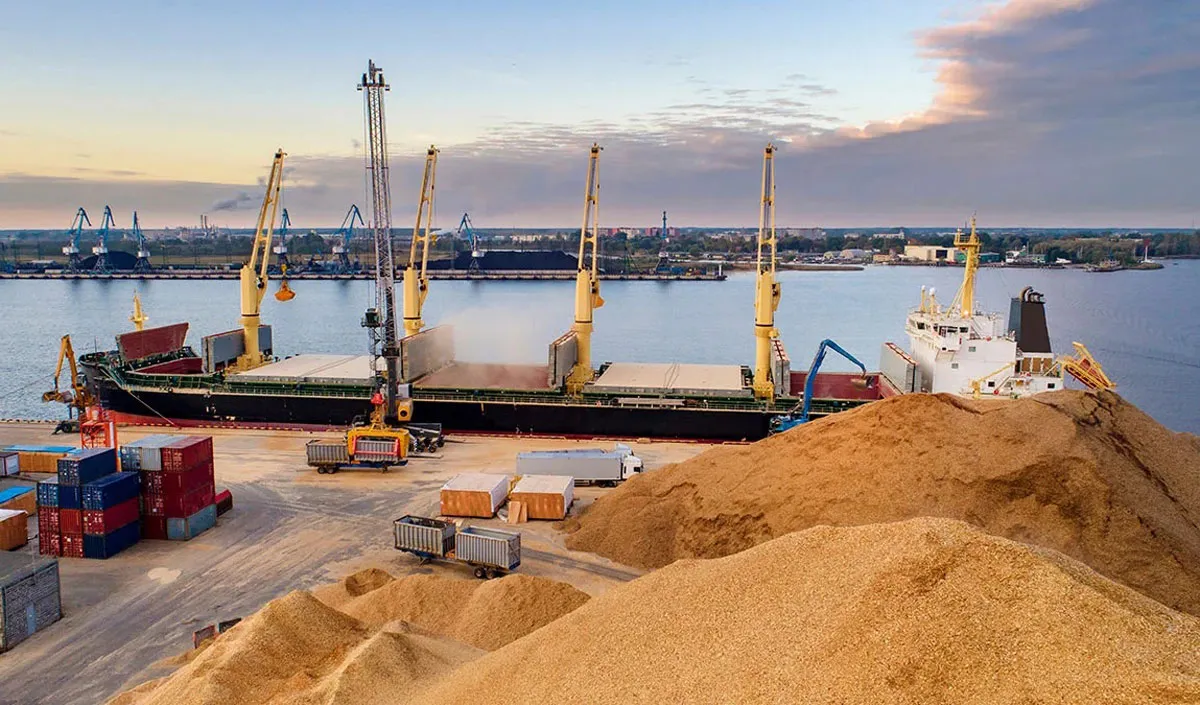
Limited vessel availability and critically low water levels on the Danube continue to keep freight rates for Ukrainian grain shipments elevated. The strongest price pressure is currently being observed on routes from Ukraine’s Danube ports to the Mediterranean, particularly to Egypt.
According to ASAP Agri, freight rates for transporting Ukrainian corn by coaster vessels from the Danube ports to Egypt have started to stabilise after a sharp increase in recent weeks, but remain at a very high level.
As of 14 August, rates stood at around $68–69 per tonne. By comparison, in early August 2025, similar shipments were priced at approximately $60–65 per tonne.
Freight costs on the Danube route had already begun rising in July. Market participants attributed this increase to the redirection of cargo flows towards the Danube, low water levels, restrictions on vessel loading and higher fleet operating costs.
At the same time, the situation on routes from the Greater Odesa ports is significantly different. Freight rates for corn shipments to Egypt on Handysize vessels are currently estimated at around $22–23 per tonne.
This means that transporting grain to Egypt by coaster vessels from Ukraine’s Danube ports currently costs roughly three times more than shipping it on larger vessels from the deep-water ports of Greater Odesa.
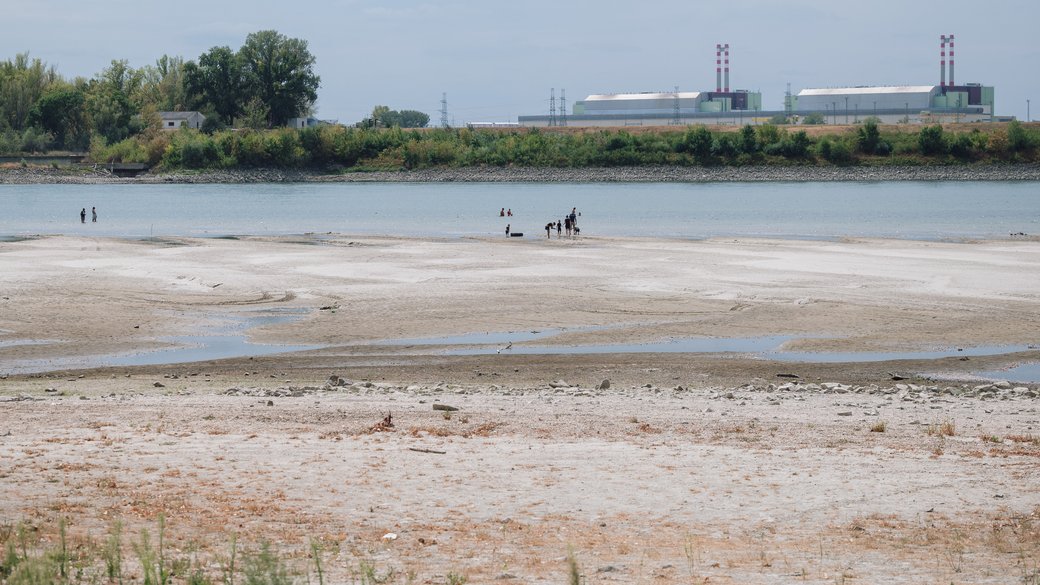
Barge logistics remain a separate problem. Critically low water levels force barges to operate with substantially reduced loads, effectively cutting the available carrying capacity of the fleet.
Under these conditions, the shortage of effective tonnage strengthens shipowners’ negotiating position. Charterers have fewer vessels to choose from and are therefore forced to accept higher freight rates.
Comment by the Institute of Danube Research
The Institute of Danube Research notes that the current freight market situation clearly demonstrates one of the key economic consequences of extreme low water: a physical decline in river levels is being directly transformed into higher costs for foreign trade.
Low water levels do not necessarily lead to a complete suspension of navigation. However, they reduce the permissible draught of vessels and barges and, consequently, the amount of cargo that can be transported on each voyage. As a result, the same nominal fleet provides significantly less effective carrying capacity.
This creates what may be described as a “hydrological logistics surcharge”: the cost of transporting each tonne of cargo rises even without a proportional increase in sailing distance or the number of vessels required.
The gap between freight rates from the Danube and from deep-water ports is particularly revealing. Around $68–69 per tonne from the Danube compared with $22–23 from Greater Odesa means that Ukraine’s alternative export routes are currently operating under fundamentally different economic conditions.
This difference has strategic implications. Ukraine’s Danube ports remain a critical reserve export channel, particularly amid security risks in the Black Sea. However, excessive growth in transport costs may reduce the competitiveness of Ukrainian grain on price-sensitive markets, including Egypt.
The current situation also demonstrates the interaction between two major regional risks. On the one hand, security threats around Greater Odesa increase the importance of the Danube as an alternative export corridor. On the other hand, extreme low water levels limit the Danube’s ability to absorb additional cargo flows.
In the Institute’s assessment, the main challenge for Ukrainian Danube logistics today is no longer only the physical capacity of the ports, but the overall cost of using the transport corridor under extreme low-water conditions.
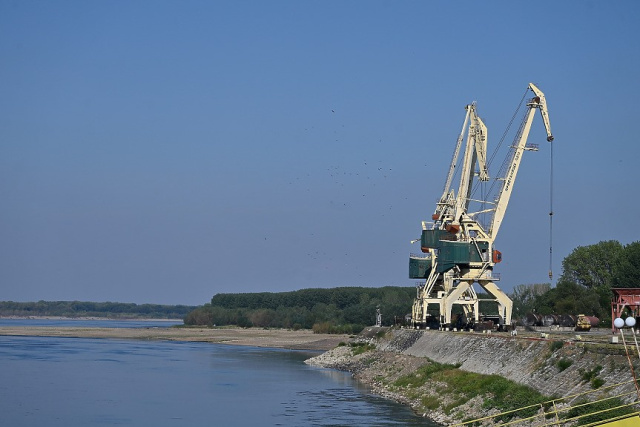
If low water persists, elevated freight rates may encourage further cargo redirection towards Ukraine’s deep-water Black Sea ports, provided that the security situation remains manageable. At the same time, part of the flow could shift to rail routes through Moldova and Romania.
The current freight market therefore once again highlights the need for Ukraine to develop a multimodal export system in which Greater Odesa, the Ukrainian Danube ports, Constanța and overland corridors through Moldova and Romania operate not as competing routes, but as complementary elements of a single logistics network.
For the Danube Region, this is also a signal that adaptation to prolonged low-water periods must include not only dredging and fairway maintenance, but also the development of shallow-draught fleets, modernisation of transshipment infrastructure and closer coordination between river, maritime and rail transport.

 Bulgaria
 Hungary
 Romania
 Moldova
 Serbia

 Danube