

Romania to receive nearly EUR 637 million from the EU Modernisation Fund for energy storage projects
 Romania
06.07.2026
Romania
06.07.2026
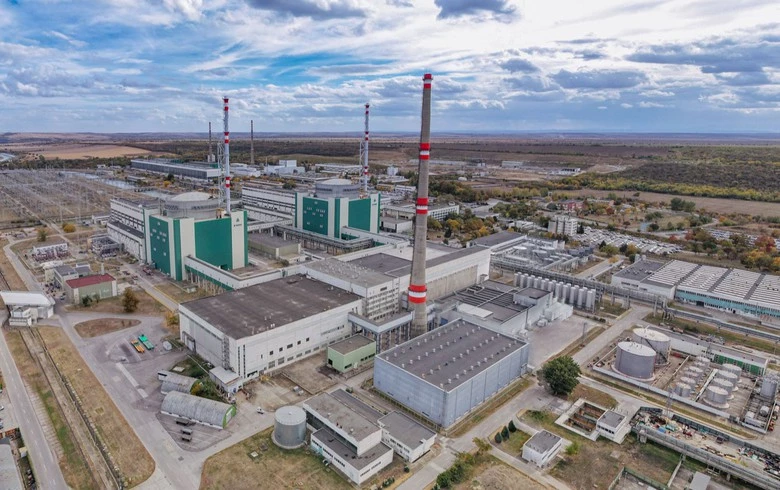
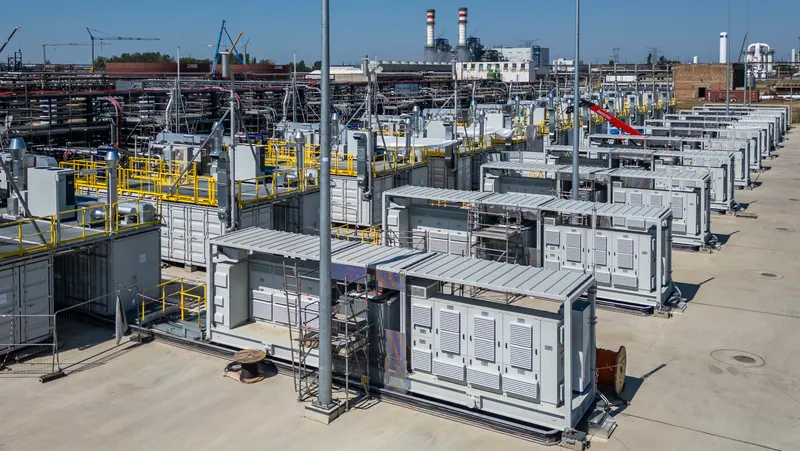
Romania has become the largest recipient of the latest tranche of financing from the European Union’s Modernisation Fund. The country will receive EUR 636.9 million for investments in the energy sector, primarily for the development of stand-alone battery-based energy storage systems.
In total, the European Commission and the European Investment Bank approved EUR 2.5 billion from the Modernisation Fund to support 51 energy projects in 11 EU Member States. After Romania, the largest allocations under this tranche will go to Hungary — EUR 552.3 million — and the Czech Republic — EUR 516.8 million.
The funds allocated to Romania are intended to finance the development of stand-alone battery energy storage systems. Such investments are critically important for integrating a growing share of renewable energy into the national power system, balancing the electricity grid, reducing the volatility of renewable energy generation, and strengthening energy security.
The Modernisation Fund is financed from revenues generated by auctions of greenhouse gas emission allowances under the EU Emissions Trading System. Its purpose is to support lower-income Member States in modernising their energy systems, improving energy efficiency, developing renewable energy, energy storage systems, electricity and heating networks, and supporting a just transition in regions still dependent on fossil fuels.
In addition to Romania, funding under the new tranche will be provided to the Czech Republic, Hungary, Greece, Poland, Lithuania, Croatia, Portugal, Estonia, Latvia and Slovenia. The supported investments are expected to contribute to the modernisation of Europe’s energy infrastructure, reduce dependence on imported fossil fuels, cut greenhouse gas emissions, and advance the EU’s objectives under the Fit for 55 package and the REPowerEU plan.
With this latest decision, the total amount of funding allocated by the Modernisation Fund since January 2021 has reached EUR 23.2 billion. At the same time, this instrument is currently available only to a defined group of EU Member States and does not extend to candidate countries, including Ukraine and Moldova.
Comment by the Institute of Danube Research
The decision to allocate nearly EUR 637 million to Romania for energy storage systems is significant not only for the Romanian energy sector, but also for the entire Lower Danube region. Battery storage is becoming one of the key elements of Europe’s new energy architecture, as it makes it possible to combine the rapid growth of renewable generation with the stability of the power system.
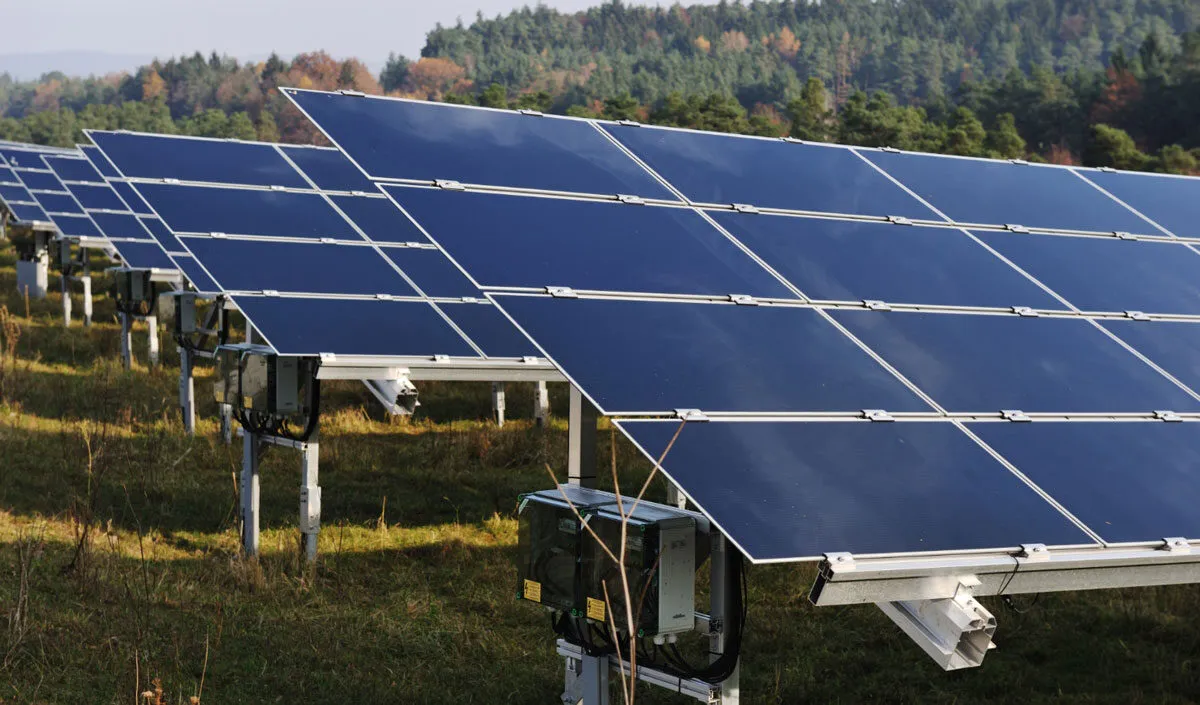
For Romania, this is particularly important against the background of the active development of solar and wind energy, as well as the country’s growing role as an energy hub in South-Eastern Europe. Large-scale storage systems will enable more effective management of peak loads, reduce the risk of imbalances, and increase the resilience of the energy system amid climate, market and security challenges.
For Ukraine and Moldova, this example is important for two reasons. First, it demonstrates that the EU’s energy transition increasingly relies not only on the construction of new renewable generation capacity, but also on the development of flexibility infrastructure — storage systems, grids, balancing mechanisms and digital management tools. Second, it highlights the asymmetry of access to European financial instruments: candidate countries that are already integrating into the EU energy space and facing significant security risks still do not have direct access to such support mechanisms.
In this context, it is important for Ukraine to raise the issue of creating separate financing mechanisms for energy modernisation for EU candidate countries and partners. This is especially relevant for border and Danube regions, where energy resilience, the development of renewables, storage systems, distributed generation and cross-border interconnectors have not only economic, but also security significance.
Romania’s experience shows that the future competitiveness of regions will be determined not only by the volume of electricity generated, but also by the ability of energy systems to adapt quickly, balance loads and ensure reliable supply. That is why energy storage systems should be regarded as critical infrastructure for the next stage of the Danube region’s energy transformation.

 Bulgaria
 Hungary
 Ukraine
 Moldova
 Serbia

 Danube