

Slovenia’s GEN-I Expands Its Presence in Bulgaria’s Energy Storage Market
 Bulgaria
11.08.2026
Bulgaria
11.08.2026
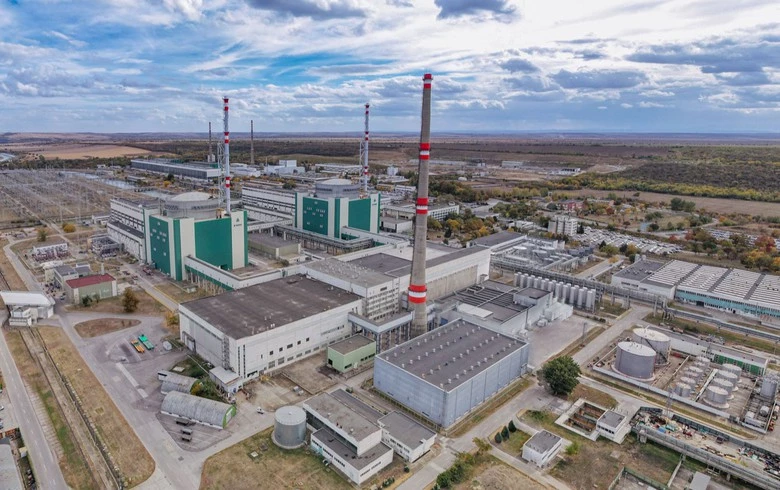
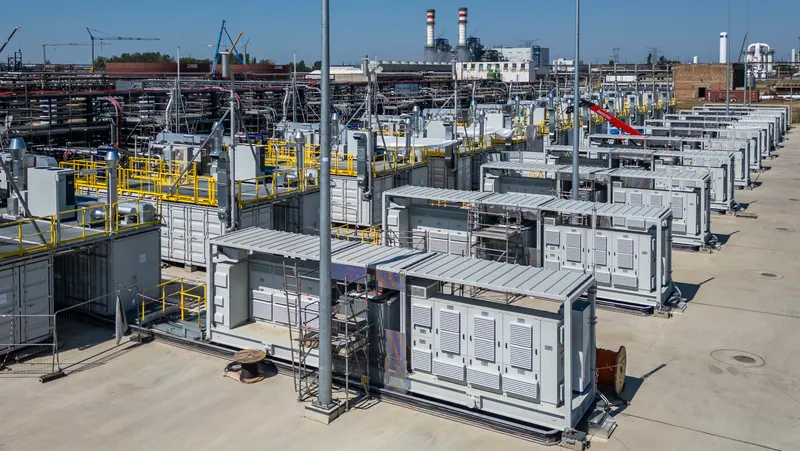
Slovenian energy trader and supplier GEN-I is strengthening its position in Bulgaria’s battery energy storage systems (BESS) market. The company has taken over the commercial management of two large-scale facilities with a combined output capacity of 200 MW and storage capacity of 505 MWh, developed by Bulgarian company Sunotec.
The projects are located in Brusartsi and Byala Slatina in northwestern Bulgaria. The Brusartsi facility has a capacity of 150 MW and storage capacity of 379 MWh, while the Byala Slatina system provides 50 MW and 126 MWh respectively. Both facilities have already been connected to the electricity grid.
GEN-I will act as the exclusive asset optimisation and energy trading partner, providing access to wholesale electricity markets, balancing services, market optimisation and commercial risk management.
At the same time, GEN-I and Sunotec have signed an agreement covering nine additional BESS projects in Bulgaria with a combined output capacity of 195 MW and energy storage capacity of 782 MWh. The projects are expected to enter full commercial operation gradually over the next twelve months.
GEN-I expects the total capacity of battery energy storage systems under its management, based on already signed contracts, to exceed 800 MW by the end of 2026.
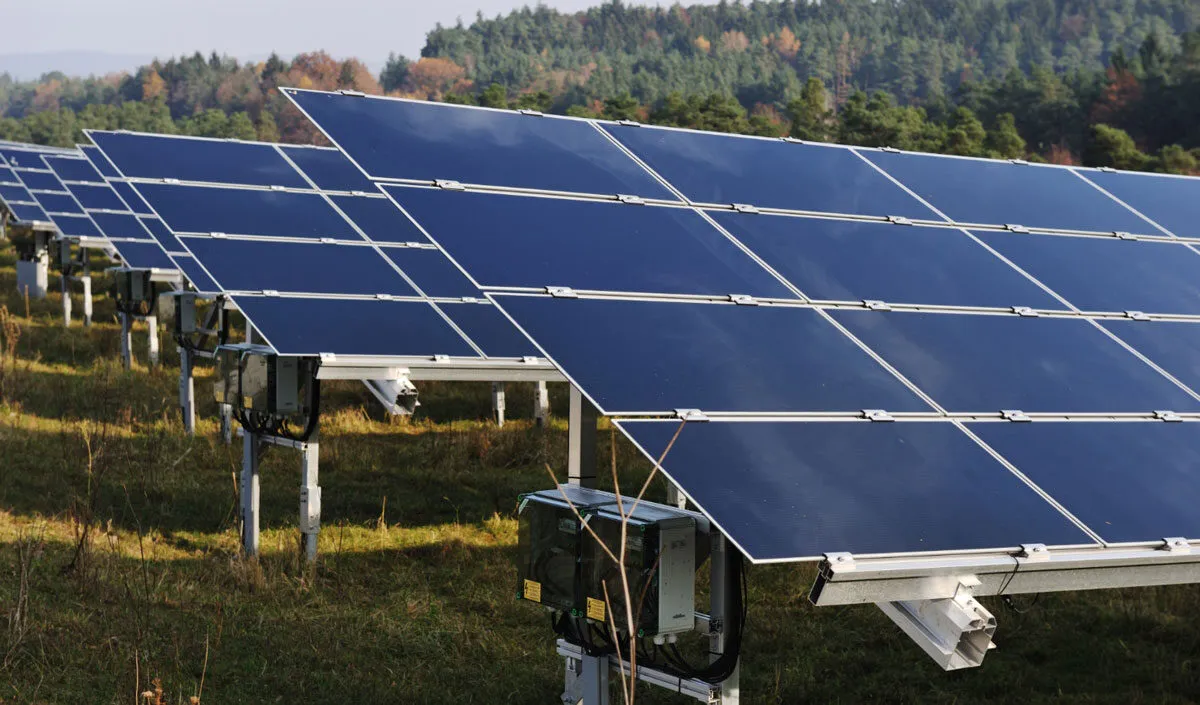
The partnership between GEN-I and Sunotec reflects a broader trend of accelerated energy storage development across Southeast Europe. As solar and wind generation expands, BESS is becoming increasingly important for power system balancing, reducing price volatility and improving the efficient use of renewable electricity.
GEN-I operates across energy markets in 27 countries. Sunotec, headquartered in Sofia, specialises in solar generation, energy storage systems and integrated energy infrastructure.
Comment by the Institute of Danube Research
The Institute of Danube Research notes that the large-scale deployment of BESS in Bulgaria is important not only for the country’s domestic energy market but also for the transformation of the entire Southeast European energy system.
“The growth of solar and wind generation inevitably increases demand for flexible balancing instruments. Battery storage systems are effectively becoming a new generation of energy infrastructure, enabling the separation of electricity production from consumption and significantly improving the controllability of the power system,” the Institute notes.
For Bulgaria, the development of BESS is particularly important given the rapid expansion of photovoltaic generation. Without sufficient storage capacity, further renewable energy growth may be accompanied by increased curtailment, stronger intraday price fluctuations and a greater need for balancing resources.
At the same time, new storage facilities create conditions for Bulgaria to participate more actively in regional electricity trading. Combined with the development of cross-border interconnectors with Romania, Greece, Serbia and other neighbouring countries, BESS could become an important element in building a more integrated and flexible Southeast European electricity market.
“It is significant that investment interest is increasingly shifting from the construction of standalone solar power plants towards more complex models in which generation, storage, trading and balancing are integrated into a single system. This model is likely to define the next stage of the energy transition in the Danube region,” the Institute of Danube Research stresses.
Bulgaria’s experience is also relevant for Ukraine. Large-scale deployment of energy storage systems can become one of the key instruments for strengthening the resilience of decentralised energy infrastructure, integrating new renewable capacity and developing the future common energy space of Ukraine and the European Union.


 Hungary
 Romania
 Ukraine
 Moldova
 Serbia

 Danube