

The Danube Becomes a Key Logistics Corridor for Ukraine and a Pillar of European Security
 Romania
15.12.2025
Romania
15.12.2025
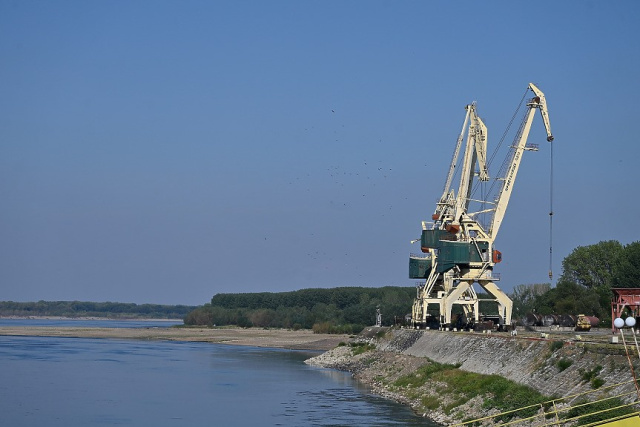
The Danube has emerged as one of the key logistical and strategic corridors in the context of Russia’s war against Ukraine, growing hybrid threats, and the need to strengthen NATO and EU military mobility. This conclusion was reached by participants of the panel “The Strategic Role of the Danube in Logistics and Connectivity” held during an international forum in Bucharest.
Speakers emphasized that since the outbreak of the war in 2022, traditional transport routes in the region have become overloaded or increasingly vulnerable to military and hybrid attacks. As a result, the Danube’s infrastructure has gained strategic importance as an alternative corridor. Ukraine critically relies on Danube ports to maintain grain exports and broader supply chains, while repeated Russian strikes on port infrastructure have exposed its vulnerabilities.
The panel underlined the urgent need to modernize port capacity, logistics and transshipment facilities, surveillance systems, and to enhance the protection of river and maritime infrastructure. Expanding port capacity, fleet renewal, digitalization of logistics, and improved civil-military coordination were identified as key priorities.
Participants concluded that the Danube represents a strategic hub of the Euro-Atlantic security architecture — serving as a military mobility corridor, a driver of economic integration, and a platform for regional cooperation. Strengthening coordination between Romania, Ukraine, and the Republic of Moldova, fully integrating Ukraine into European military mobility programs, and developing joint mechanisms to counter hybrid threats were highlighted as essential for Europe’s overall stability.
IDR Comment
For Ukraine, the Danube is no longer merely a transport route — it has become a critical component of national and European security. The resilience of the Danube corridor directly affects Ukraine’s export capacity, NATO and EU military mobility, and the stability of regional supply chains. Further modernization of ports, integration of Ukraine into European military mobility programs, and joint risk management in the Danube basin should be treated as core elements of a unified European security and economic strategy.

 Bulgaria
 Hungary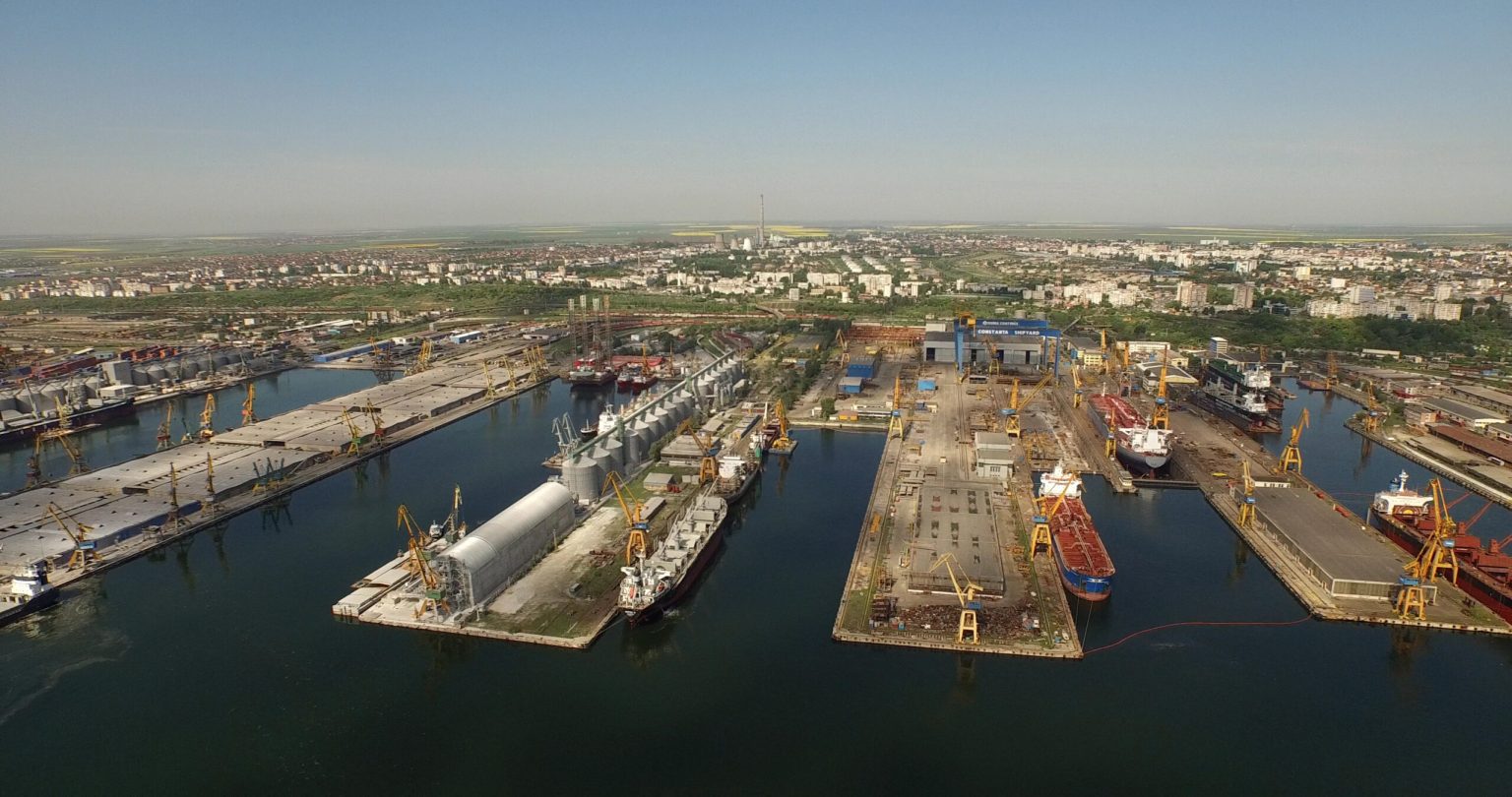

 Ukraine
 Moldova
 Serbia


 Danube