

Ukraine Plans to Increase Exports to USD 85 Billion by 2030
 Ukraine
13.07.2026
Ukraine
13.07.2026
The Cabinet of Ministers of Ukraine has approved the Export Strategy of Ukraine through 2030, which provides for increasing the total volume of exports of goods and services to USD 85 billion and raising their share in gross domestic product to 33%.
The document is focused on Ukraine’s gradual transition from a raw-material export model toward the production and supply of higher-value-added goods to foreign markets. The Government expects that the development of processing industries, technology-based manufacturing and service exports will contribute to job creation, investment attraction and greater resilience of the Ukrainian economy.
According to Oleksii Sobolev, Minister of Economy, Environment and Agriculture of Ukraine, the main potential for achieving the target of USD 85 billion lies in increasing exports of high-value-added products. The Strategy is intended to become a roadmap for the development of Ukraine’s foreign trade and deeper economic integration with the European Union.
The Strategy’s key indicators include:
-
reducing the share of raw materials and low-processed goods in total exports to 59%;
-
increasing the share of services in total exports to 25%;
-
raising the ratio of exports of goods and services to GDP to 33%;
-
increasing the total volume of exports to USD 85 billion.
For comparison, in 2025, Ukraine’s exports of goods and services were estimated at approximately USD 48 billion. Therefore, by 2030, this figure is expected to increase by almost 77%.
The Strategy will be implemented in two stages.
The first stage, covering 2026–2028, provides for the digitalisation of export services, improvement of legislation, removal of trade barriers, development of financial instruments and attraction of investment into export-oriented production.
The interim target for 2028 is to increase exports of goods and services to USD 80 billion and raise their share in GDP to at least 31.2%.
The second stage, covering 2029–2030, will focus on scaling up the reforms already launched, deeper integration of Ukraine into the EU Single Market, attraction of multinational companies and development of a network of Ukrainian trade missions abroad.
A separate section of the Strategy is dedicated to small and medium-sized enterprises. It provides for grant programmes supporting pre-export preparation of producers, development of an electronic exporter account and coordination of international donor assistance through the Export Alliance single-window mechanism.
Sectoral associations will be eligible to receive compensation for the cost of organising collective national stands at international exhibitions. The maximum amount of such support is set at UAH 10 million.
The Strategy also envisages introducing export commissioners in each regional state administration and developing regional foreign economic activity plans.
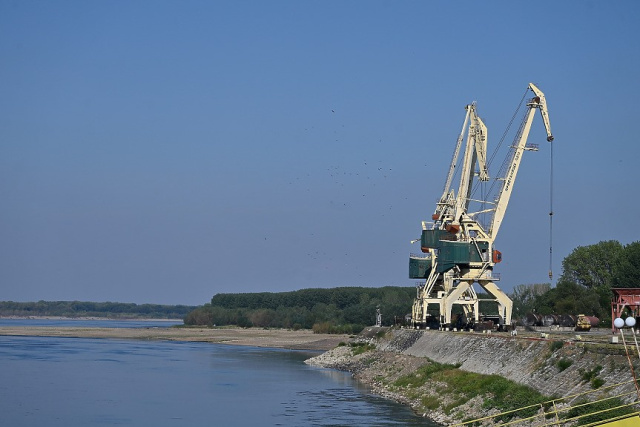
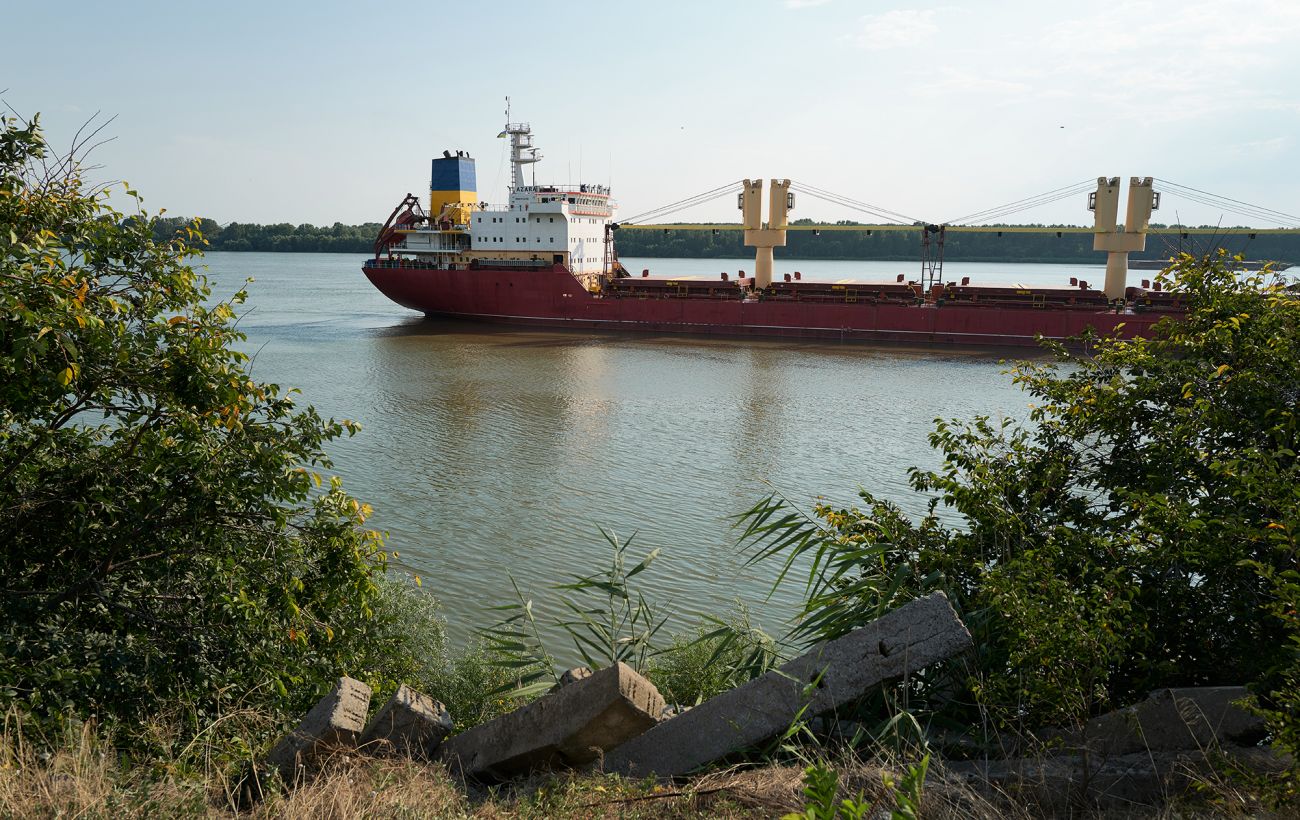
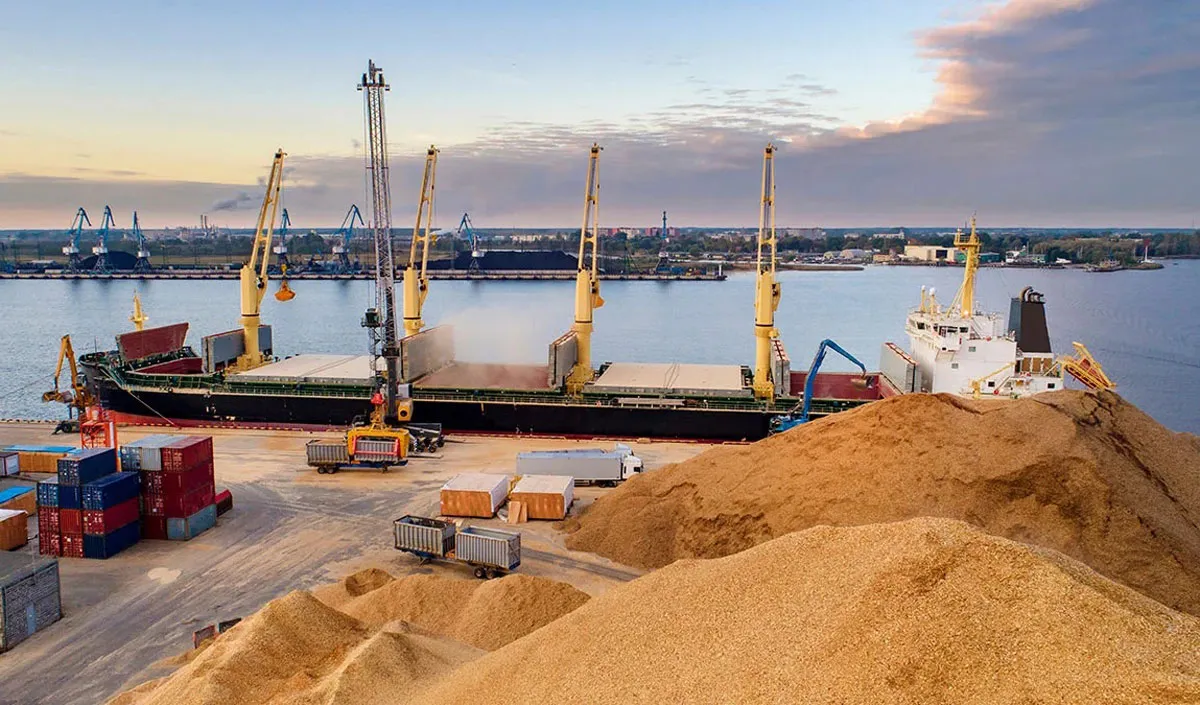
Considerable attention is given to the development of export logistics. In particular, the Strategy provides for the organisation of regular transport services operated by Ukrainian Danube Shipping Company.
This mechanism is expected to support cargo consolidation in Danube ports and its subsequent transportation to major seaports. The Strategy also provides for reforming Ukraine’s railway tariff system in line with the European Union’s market-based model.
Comment by the Institute of Danube Research
The Institute of Danube Research notes that the inclusion of Danube transport services in the national export strategy confirms the long-term importance of the Ukrainian Danube region for the country’s foreign trade.
“Achieving the target of USD 85 billion will depend not only on the ability of Ukrainian enterprises to increase the production of value-added goods, but also on the availability of reliable, predictable and economically competitive logistics routes.
The ports of Reni, Izmail and Ust-Dunaisk, Ukrainian Danube Shipping Company, as well as railway and road border crossings toward Moldova and Romania, should be considered components of a single multimodal export system.
Regular consolidated transport services may be particularly important for small and medium-sized enterprises, which do not always have sufficient cargo volumes to organise international logistics independently. At the same time, the outcome will depend on the modernisation of port infrastructure, dredging, fleet renewal, development of railway access routes and the introduction of competitive tariffs.”
According to Vitaliy Barvinenko, Director of the Institute of Danube Research:
“The Danube should remain not merely a reserve route during periods of wartime risk, but a permanent European transport corridor for Ukrainian products.”
Implementation of the Export Strategy will be monitored every six months. The first annual report on its implementation is to be considered by the Government by 1 February 2027.

 Bulgaria
 Hungary
 Romania

 Moldova
 Serbia


 Danube