

USD 35 Million Planned for Ukraine’s Danube Ports: Fleet Renewal and Additional Protective Infrastructure
 Ukraine
01.06.2026
Ukraine
01.06.2026
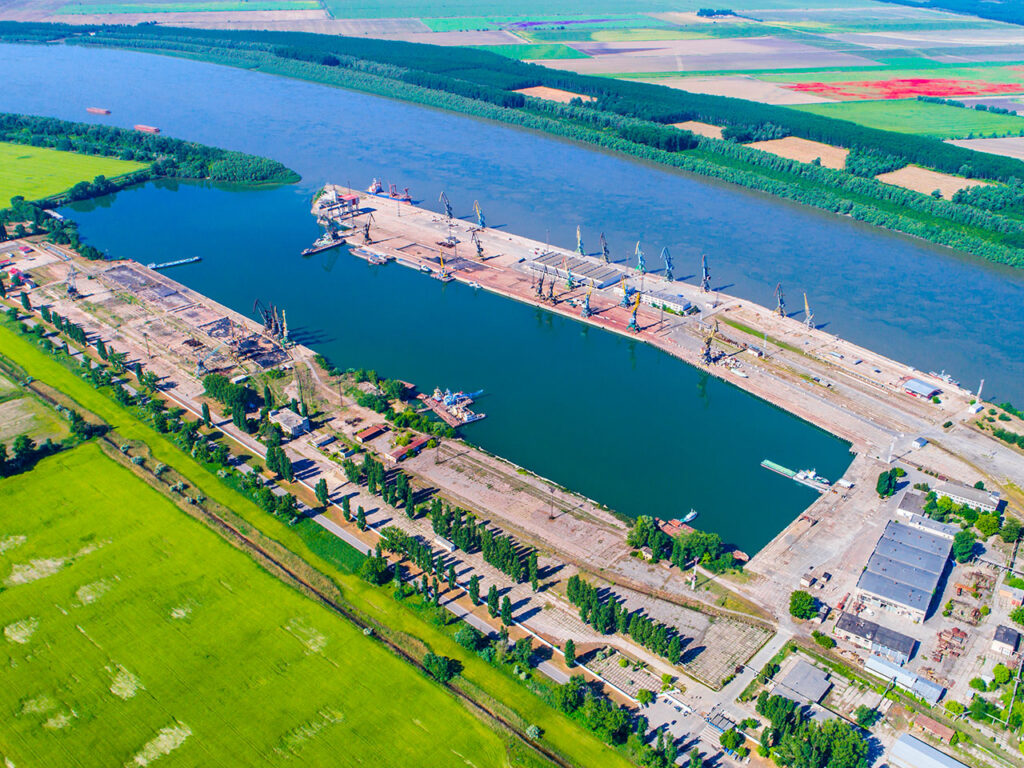
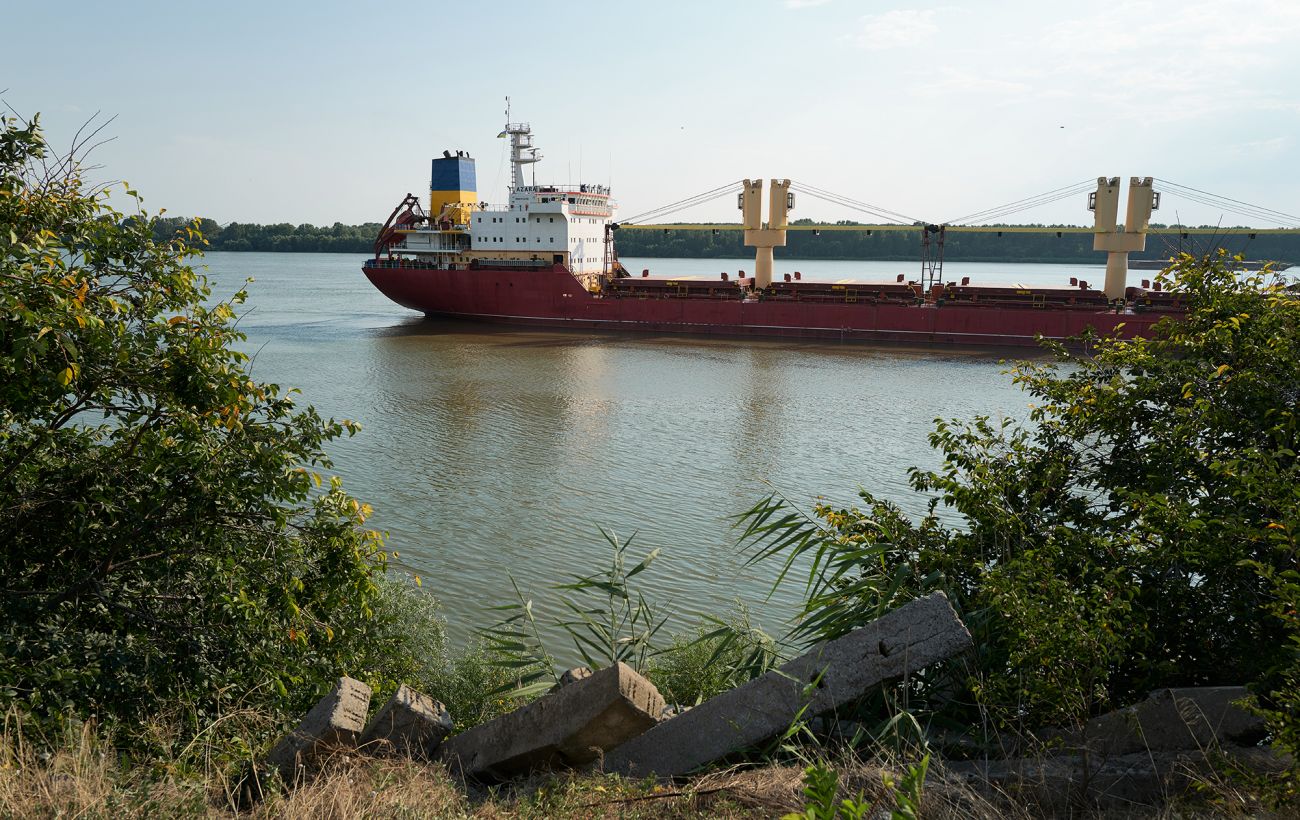
Ukraine plans to attract USD 35 million under the international RELINC project to support the development of its Danube ports. The funding is expected to be used for the purchase of port fleet vessels, protective infrastructure and specialised equipment.
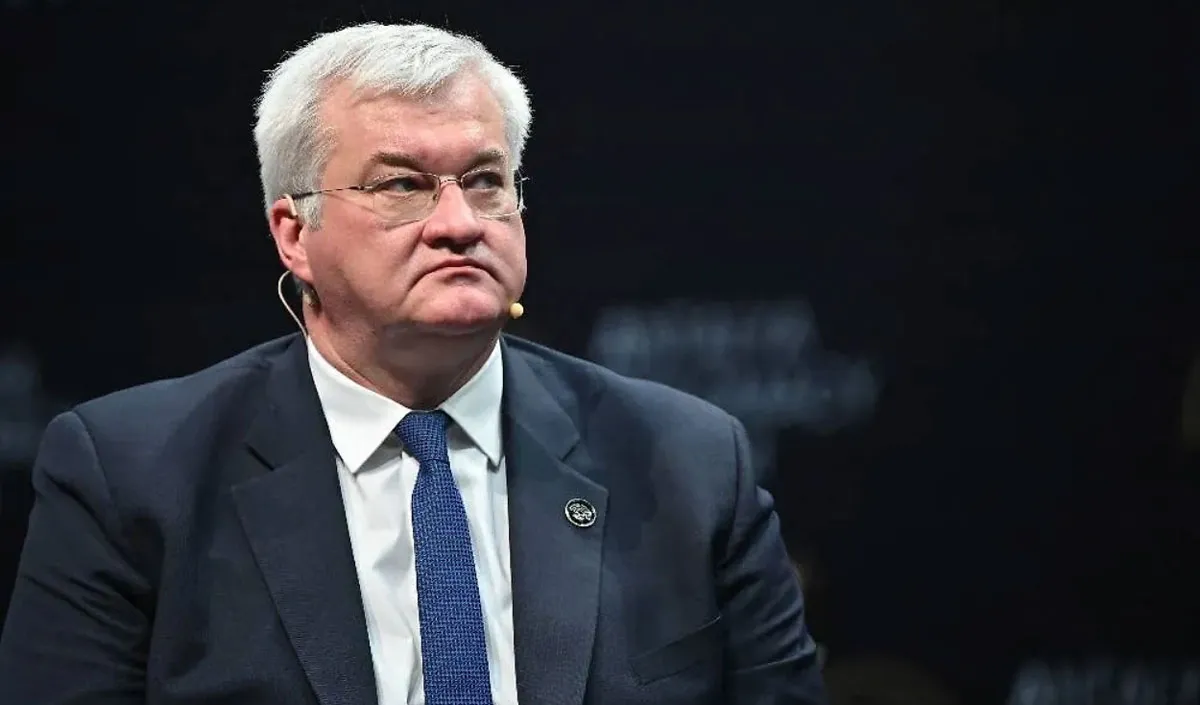
Deputy Minister for Development of Communities and Territories of Ukraine Andrii Kashuba outlined the key priorities for the Ukrainian Danube region during the Ukrainian Danube Conference held in Odesa.
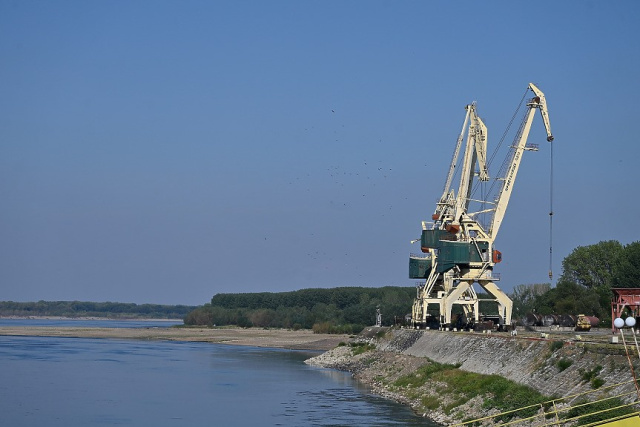
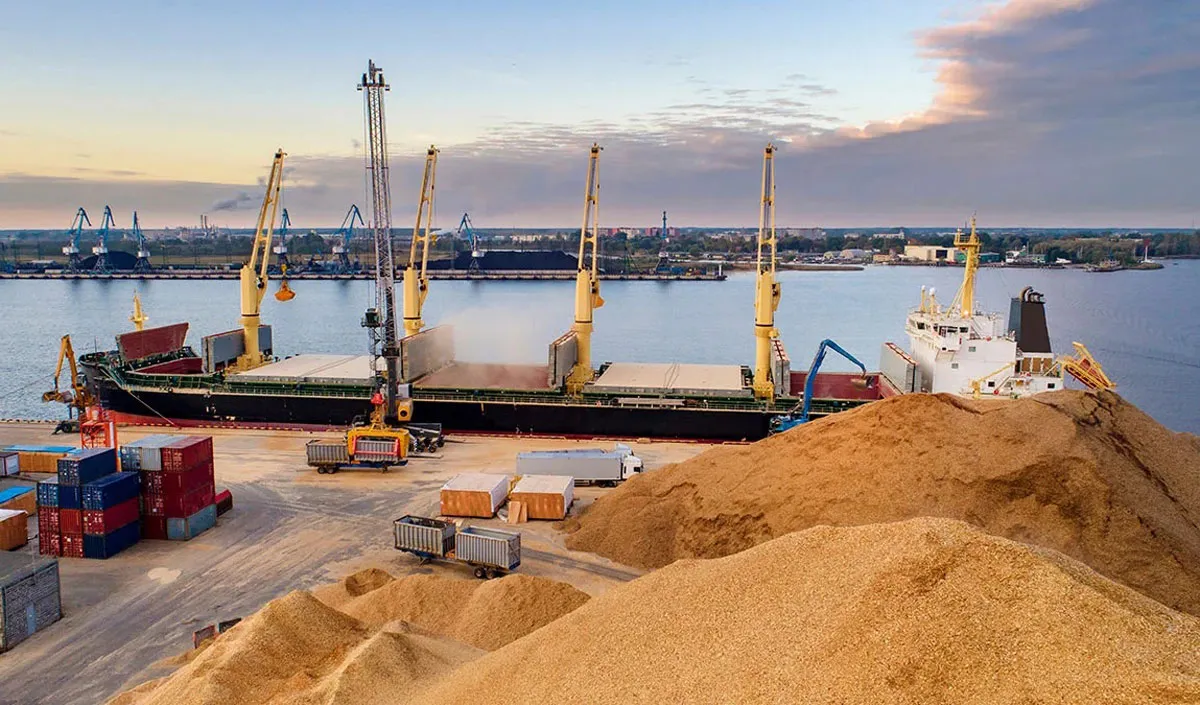
According to him, the Danube region remains one of the key elements of Ukraine’s logistics security. Since the beginning of the full-scale war, the ports of Izmail, Reni and Ust-Dunaisk have played an important role in supporting the country’s export and import operations, particularly during periods when access to the main Black Sea routes was limited.
The funding is planned within the framework of the RELINC project — Repairing Essential Logistics Infrastructure and Network Connectivity. The initiative is aimed at restoring critical logistics infrastructure and improving the resilience of Ukraine’s transport network with the support of international financial institutions.
For the Danube ports, the project provides for the purchase of port fleet vessels, additional protective infrastructure and specialised equipment. These measures are intended to increase the safety of personnel and cargo, strengthen the operational autonomy of the ports and ensure more stable functioning of the Danube logistics cluster under wartime conditions.
The renewal of the technical fleet is particularly important. Modern port vessels are required not only for routine operations, but also for emergency response, firefighting, pollution control and towing services.
One of the strategic priorities is the further integration of the Ukrainian section of the Danube into the Trans-European Transport Network, TEN-T.
This would expand opportunities for attracting European funding, modernising port infrastructure and developing inland waterway transport. Coordination with Romania and the Republic of Moldova is also essential for improving regional routes, removing infrastructure bottlenecks and ensuring stable operation of the Danube logistics corridor.
Another important area is the creation of industrial parks in the Ukrainian Danube region. The aim is to develop production sites near logistics hubs, allowing the region not only to handle cargo, but also to generate added value locally.
At the same time, the Ministry has warned that cargo volumes handled through the Danube could decline to approximately 5 million tonnes in 2026. This makes the transition from emergency wartime solutions to a long-term regional development model even more important.
Comment by Vitaliy Barvinenko, Director of the Institute of Danube Studies
“The planned funding of USD 35 million is an important step towards strengthening the capacity of Ukraine’s Danube ports. However, this issue should be viewed more broadly: it is not only about renewing the port fleet or installing additional protective infrastructure. What is needed is a comprehensive development model for the entire Ukrainian Danube region.
The ports of Izmail, Reni and Ust-Dunaisk have already demonstrated their strategic importance for the country. During the most difficult periods of the full-scale war, the Danube route became one of the key channels for Ukrainian exports and imports. The current task is to preserve this accumulated potential and consolidate it through systematic modernisation.
The renewal of the port fleet should be accompanied by stronger air defence, the development of backup energy supply, the modernisation of rail and road access routes, the digitalisation of logistics processes and the creation of industrial parks near the ports.
The integration of the Ukrainian section of the Danube into the Trans-European Transport Network, TEN-T, is of particular importance. The Ukrainian Danube region should develop not as a temporary wartime alternative route, but as a fully fledged component of Europe’s transport, economic and security system.
This requires a long-term national strategy for the development of the Danube region, combining infrastructure projects, international financing, business support and the interests of local communities,” Vitaliy Barvinenko emphasised.

 Bulgaria
 Hungary
 Romania

 Moldova
 Serbia

 Danube